
How Long Warm Up Car In Winter

Ah, winter mornings! The alarm shrieks, you peek outside, and there it is: a world blanketed in frost, your breath puffing out like a cartoon character. You stumble to the kitchen, coffee brewing, and then comes the classic question: how long should I actually warm up my car?
For decades, it felt like a sacred ritual. We’d bundle up, head out, start the engine, and then retreat back indoors for a good 10-15 minutes, letting the car “thaw out.” It was almost like putting a grumpy toddler in a warm bath before expecting them to be productive. But here’s a little secret: that cozy, long warm-up might be a bit of an old wives’ tale for modern vehicles.
The Good Old Days (and Why They're Gone)
Back in the day, cars had carburetors. Think of them as a bit finicky, like an old coffee grinder that needs a few tries to get going. They needed time to warm up to mix fuel and air properly, especially when it was chilly. So, a longer idle was genuinely necessary to prevent stalling and ensure a smooth ride. If you didn't, your car would sputter and complain like a cat that just had its morning nap disturbed.
Must Read
But fast forward to today! Most cars built since the 1990s are equipped with fancy things called electronic fuel injection. These smart systems are like tiny, super-efficient baristas. They automatically adjust the fuel-air mix for optimal performance, even when it’s colder than a polar bear's toenails. Your modern car doesn’t need to "wake up" in the same slow, gentle way. It’s more like a smartphone booting up instantly, not an old desktop computer groaning to life.
So, How Long Is Just Right?
The magic number, according to most experts and car manufacturers, is surprisingly short: anywhere from 30 seconds to a minute or two. Yes, that’s it! Think of it as just enough time to give your car a quick stretch before a morning jog.
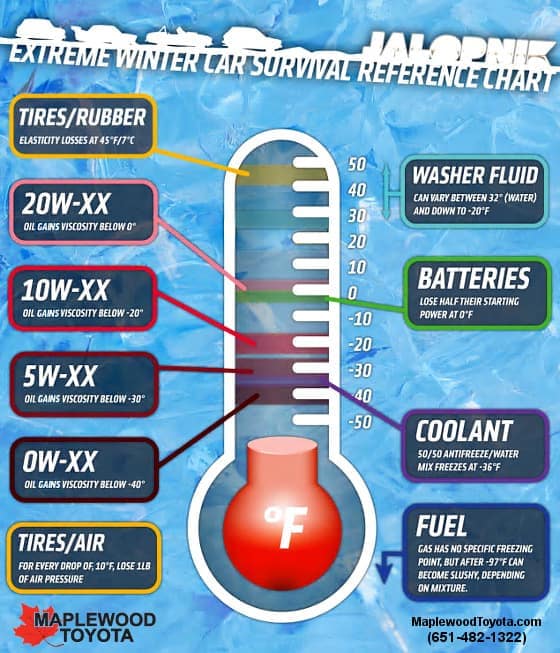
During these crucial moments, a few things happen. The engine oil, which might be thick and sluggish like cold molasses, starts to circulate. It's like waking up your own muscles before a workout – you wouldn't jump straight into a sprint, would you? The oil needs to get moving to properly lubricate all those whirring parts, preventing unnecessary wear and tear. A quick idle allows it to get flowing, setting the stage for a smoother drive.
The Real Reason for a Short Idle: You!
Let's be honest, the primary reason most of us spend any time idling in winter isn't for the engine's sake, but for our own comfort and safety. That minute or two is perfect for:

- Defrosting windows: Nobody wants to drive with a windshield that looks like a frozen pond. A little idle allows the defroster to start doing its thing, clearing the ice and fog so you can actually see where you’re going. Safety first, friends!
- Warming the cabin: Who wants to sit in a car that feels like a refrigerator? That brief idle starts circulating warm air, making your initial drive a little less bone-chilling. It's like preheating the oven before baking cookies; it just makes everything better.
Why Lingering Too Long Is a No-Go
Okay, so a minute or two is good. What about five, ten, or even fifteen minutes? Well, that’s where you start to run into some downsides, both for your wallet and your car.
Firstly, you're literally burning money. Idling consumes fuel without taking you anywhere. Imagine leaving a faucet running just to hear the water; it’s not very efficient, is it? Your gas tank will thank you for cutting down on those unnecessary idle times. Every penny counts, especially when you're trying to save up for that extra-fancy coffee!

Secondly, prolonged idling actually isn't the best way to warm up your engine. When your car is idling, the engine isn't working hard enough to reach its optimal operating temperature quickly. This can lead to a phenomenon called "fuel wash," where excess fuel can strip oil from the cylinder walls, potentially increasing wear over time. It’s a bit like trying to warm yourself up by standing still and shivering; a gentle walk would do a much better job!
And let's not forget the environment. Excessive idling means more emissions wafting into the air. While your single car might not seem like much, imagine everyone doing it for 15 minutes every cold morning! Every little bit helps to keep our air a bit cleaner.

The Golden Rule: Drive Gently to Warm Up
The absolute best way to warm up your modern car's engine, transmission, and all its other components is to simply start driving. After that minute or two of gentle idling to get the oil flowing and clear your windows, shift into gear and take it easy. Avoid stomping on the gas pedal or revving the engine high. Drive at a moderate speed, keep the RPMs low, and let the car gradually come up to temperature.
Think of it like easing into your day. You don't jump out of bed and immediately run a marathon (unless you're a super-human). You stretch, maybe grab some coffee, and then slowly get moving. Your car appreciates the same gentle approach. It allows all the fluids – engine oil, transmission fluid, power steering fluid – to circulate, lubricate, and warm up efficiently.
The Bottom Line
So, this winter, when your car looks like a frosted sugar cookie, remember this: a quick minute or two of idling is perfectly fine to get the defroster going and warm things up a tad for your comfort and safety. After that, put it in gear, drive gently, and let your modern marvel do what it does best. Your car will be happier, your wallet will be a little fuller, and you'll be well on your way to wherever you're headed, nice and toasty!