
How Long To Warm Up Your Car
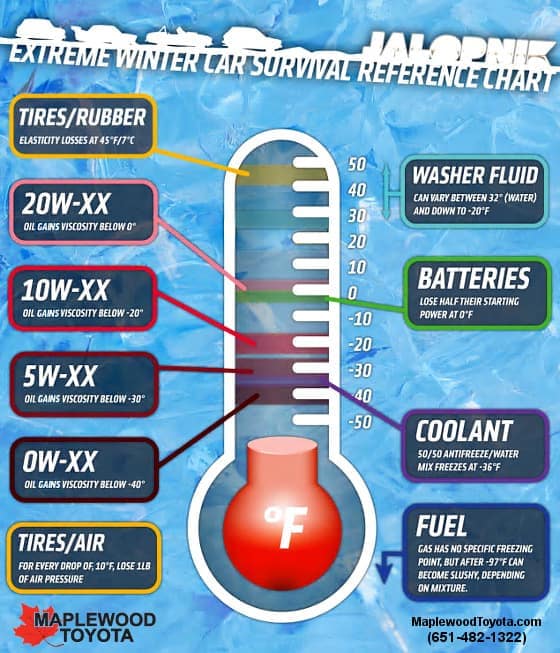
Alright, settle in, grab a virtual cuppa, because we're about to tackle one of the great mysteries of the automotive world, right up there with "Where do all the socks go?" and "Why is that blinker still on?" I'm talking about the age-old question that plagues every driver on a chilly morning: How long should I warm up my car?
For decades, this has been a topic of heated debate, often accompanied by the sound of an idling engine outside someone’s house for what feels like an eternity. Your dad probably told you to let it "really get going," maybe even finish your breakfast while it chugged away like a steam engine in the driveway. And let's be honest, there's a certain cozy satisfaction to a toasty steering wheel, isn't there?
But what if I told you that most of us, for years, have been doing it completely wrong? Prepare to have your automotive world gently rocked, folks.
Must Read
The Great Warm-Up Myth: A Tale of Bygone Eras
Let's rewind to the good old days, the land before time... or at least, before modern fuel injection. Back when cars ran on carburetors, warming up for a good five, ten, even fifteen minutes was actually a pretty sensible thing to do. Those old carburetors were a bit like cranky toddlers – they needed time to wake up, adjust, and decide they were ready to play nice. Without that prolonged warm-up, your car would stall, sputter, or generally act like it was powered by a disgruntled squirrel.
So, your grandpa wasn't wrong! He was just living in a different automotive century. He was a product of his time, much like dial-up internet and having to actually get up to change the TV channel.
Enter the Modern Marvel: Fuel Injection to the Rescue!
Fast forward to today. Almost every car on the road, unless it's a lovingly restored classic, uses something called electronic fuel injection. And folks, this changes everything. Fuel injection systems are smart. They're like the super-efficient, no-nonsense personal assistants of your engine.
Instead of relying on a finicky carburetor, these systems precisely measure and deliver the perfect amount of fuel to each cylinder, even when the engine is stone cold. They're designed to get your car running smoothly and efficiently almost immediately.
So, that long, drawn-out warm-up? It's about as necessary as carrying a flip phone in your back pocket.
The Shocking Truth: How Long Should You Warm Up?
Ready for it? Drumroll please...

You should warm up your modern car for approximately 30 seconds to one minute. Yes, you read that right. Thirty to sixty seconds. That's barely enough time to adjust your mirrors, put on your seatbelt, and realize you forgot your coffee mug on the roof.
Why so short? Because in that brief window, your engine oil has enough time to circulate throughout the engine, providing initial lubrication. Your engine management system is also doing its thing, getting all the sensors and bits and bobs talking to each other. After that, the best way to warm up your car, and get all its other components (like your transmission fluid, wheel bearings, and tires) to operating temperature, is to simply start driving gently.
Why Prolonged Idling Is Actually ... Bad for Your Car (and Wallet!)
This is where it gets interesting, and possibly a little counter-intuitive. Leaving your car to idle for long periods actually does more harm than good:
- It Wastes Fuel: Obvious, but worth stating. Your car is burning gas while sitting still. That's money literally evaporating into thin air.
- It "Washes Down" Your Cylinders: Here's a surprising one! When your engine idles for a long time, especially when cold, it runs "rich." This means there's more fuel than necessary. This excess fuel can strip away the crucial oil film from the cylinder walls, leading to increased wear over time. Think of it like washing off sunscreen before going into the sun. Not ideal.
- It Doesn't Warm Up Everything Else: Your engine might get a little warmer, but the transmission fluid, differential fluid, wheel bearings, and even your tires need the motion of driving to properly warm up and lubricate. Idling just heats up one part of the system.
- It's Worse for the Environment: More idling equals more emissions. Simple as that.
The Right Way to Get Rolling on a Cold Day
So, how do we become responsible, efficient, and well-informed car owners? It's simple:
1. Start Your Engine: Turn the key or push the button.
2. Wait 30-60 Seconds: Use this time to secure your seatbelt, adjust your music, or mentally prepare for the day ahead. Allow the initial lubrication to happen.

3. Drive Gently: For the first five to ten minutes of your drive, take it easy. Avoid stomping on the accelerator or revving the engine high. Think of it like easing into a workout – you wouldn't sprint out of the gate, would you?
4. Let Your Car Tell You: Once your temperature gauge (if you have one) starts to move into the normal operating range, you're good to go! All your car's fluids and components are now at their happy temperature.
So, there you have it. The myth busted, the truth revealed. Next time you see someone letting their car idle for twenty minutes, you can flash them a knowing smile, perhaps even a gentle, well-meaning thumbs down, and drive off, knowing you're being kinder to your car, your wallet, and the planet. Who knew being lazy could be so beneficial?