
How Long To Let Generator Cool Before Refueling

Okay, so you've got a generator. Power outage? Camping trip? Construction site? Whatever the reason, you're relying on that little engine that could. But here's the thing: generators aren't magical. They need fuel. And refueling a hot generator? That's a recipe for… well, let’s just say it’s not a recipe for a delicious smoothie.
The Burning Question (Literally!)
How long should you wait before adding more juice to your power-producing pal? That’s the million-dollar question. Or, you know, the potentially-avoid-a-visit-from-the-fire-department question.
The short answer? At least two minutes, but ideally longer – maybe 15-30 minutes. Why? Because gasoline + hot engine parts = a bad time. Think unexpected fireworks, minus the festive atmosphere and plus the potential for serious injury.
Must Read
Seriously, picture this: you’re happily humming along to your favorite tune, generator chugging away. The music abruptly stops. Uh oh. Time for a refill. But you’re impatient! You pop open the fuel cap, gasoline sloshes out, and… WHOOSH! Suddenly, you're starring in your own action movie. And probably not the good kind.
Why the Wait? It's All About That Heat!
Generators get hot, folks. I’m talking "can-fry-an-egg-on-the-exhaust-pipe" hot (though please, don't actually try that). The engine, the muffler, everything is radiating heat. Gasoline, on the other hand, is… flammable. Like, super flammable.
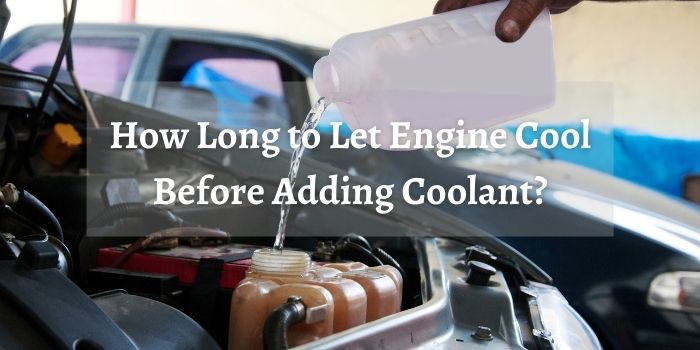
When you pour gasoline onto a hot surface, it can vaporize. And those vapors? Highly combustible. That's why waiting allows the engine to cool down and reduce the risk of ignition. Simple as that.
Think of it like this: Would you throw a bucket of water on a bonfire? Probably not. Same principle applies here. Just… with gasoline. And potentially more dramatic consequences.

The Cool-Down Checklist: Signs It's Safe-ish
How do you know when your generator is cool enough? Here are a few visual cues (though remember, always err on the side of caution!):
- The engine is no longer radiating intense heat. You shouldn't feel a blast of heat when you approach it.
- The muffler shouldn't be glowing red (yes, that can actually happen!).
- You can carefully touch the metal parts (with the back of your hand!), and it's warm, not searing. Seriously, be careful! If it feels too hot to touch, it IS too hot to touch.
But even if it seems cool-ish, waiting a bit longer is always a good idea. Think of it as a mini-meditation session for both you and your generator.
Pro-Tip: Read the Manual! (Gasp!)
I know, I know. Reading the manual is about as exciting as watching paint dry. But seriously, your generator’s manual will likely have specific instructions about refueling. It might even recommend a specific cool-down time based on the model. Trust the manual! Those engineers know their stuff.
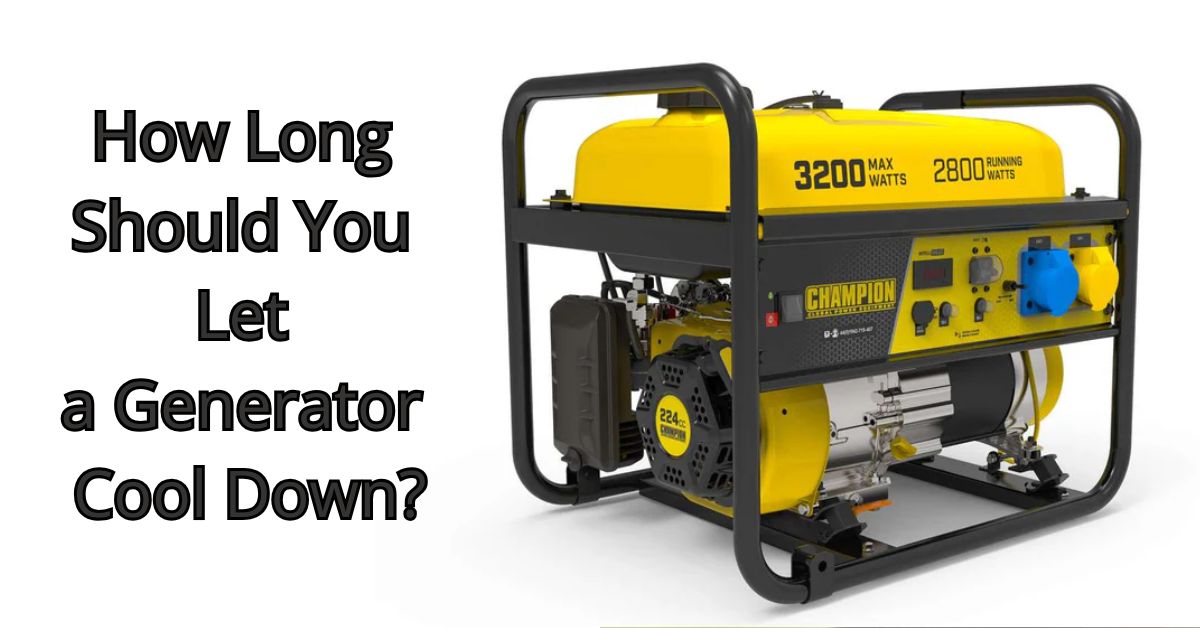
And while you're at it, make sure you're using the right type of fuel. Putting diesel in a gasoline generator is like giving your car a cup of coffee instead of gasoline. It's just not going to work (and might cause some serious damage).
Fun Fact: Generators and the History of Electricity!
Did you know that the principles behind your generator are the same ones that power entire cities? Okay, maybe not the exact same ones, but the basic concept of converting mechanical energy into electrical energy is pretty universal. Think Michael Faraday and his experiments with electromagnetism back in the 1830s! He's basically the grandfather of your generator.

So, the next time you're patiently waiting for your generator to cool down, take a moment to appreciate the history behind that little powerhouse. It's more than just a machine; it's a piece of electrical engineering history! (Okay, maybe I'm getting a little carried away. But still, pretty cool, right?)
Safety First, Party Second (or Never)
Seriously though, safety is paramount. Always refuel your generator in a well-ventilated area, away from any potential ignition sources (like open flames, sparks, or, you know, another generator). And keep a fire extinguisher handy, just in case.
Refueling a generator isn’t rocket science, but it does require a little bit of common sense and a healthy dose of caution. Wait for it to cool down, follow the instructions, and you'll be back to powering your life in no time. Stay safe, and happy generating!