How Long To Fix Power Outage

Picture this: You’re deep into a riveting show, maybe just about to discover who the killer is, or perhaps you’re in the middle of a perfectly good Zoom call, when suddenly… darkness. Not the metaphorical kind, but the real, “oops-the-power-just-vanished” kind. The TV goes black, the Wi-Fi router silently gives up its blinking ghost, and that comforting hum of your fridge disappears into an eerie quiet. Your first reaction? Probably a groan, followed by a frantic check of the circuit breaker (just in case, right?). But then comes the universal question, the one that unites us all in moments of electrical despair: “How long is this going to take?!”
You’re probably nodding right now, because let’s be real, we’ve all been there. It’s not just an inconvenience; it’s a sudden plunge into a simpler, less connected existence, whether we like it or not. And while sometimes the lights flicker back on almost immediately, other times… well, other times you start seriously contemplating the nutritional value of that half-eaten bag of chips by candlelight. So, let's pull back the curtain a bit on the mysterious art of power restoration, shall we?
The Great Detective Work: What Causes Outages?
Before anyone can fix anything, they first have to figure out what broke. And believe me, the reasons are as varied as your Netflix watchlist. Sometimes it’s a total drama queen of a storm – think thunder, lightning, winds trying to high-five your power lines, or ice storms turning everything into a frozen, glittery, and very heavy mess. Other times, it’s a bit more mundane, like a transformer deciding it’s had enough of the daily grind and blowing a fuse (literally!).
Must Read
And then there are the… animals. Yes, those cute, furry critters can wreak havoc. A squirrel, bless its little heart, can decide a transformer makes a cozy nap spot or a fun climbing frame, often with explosive results. Or a car, in a moment of existential crisis, might decide to introduce itself a little too intimately to a power pole. So, the first step is always sending out crews to literally hunt down the cause of the electrical silence. It’s like a real-life game of “Clue,” but with high-voltage lines instead of candlesticks.
Location, Location, Location: Does It Matter?
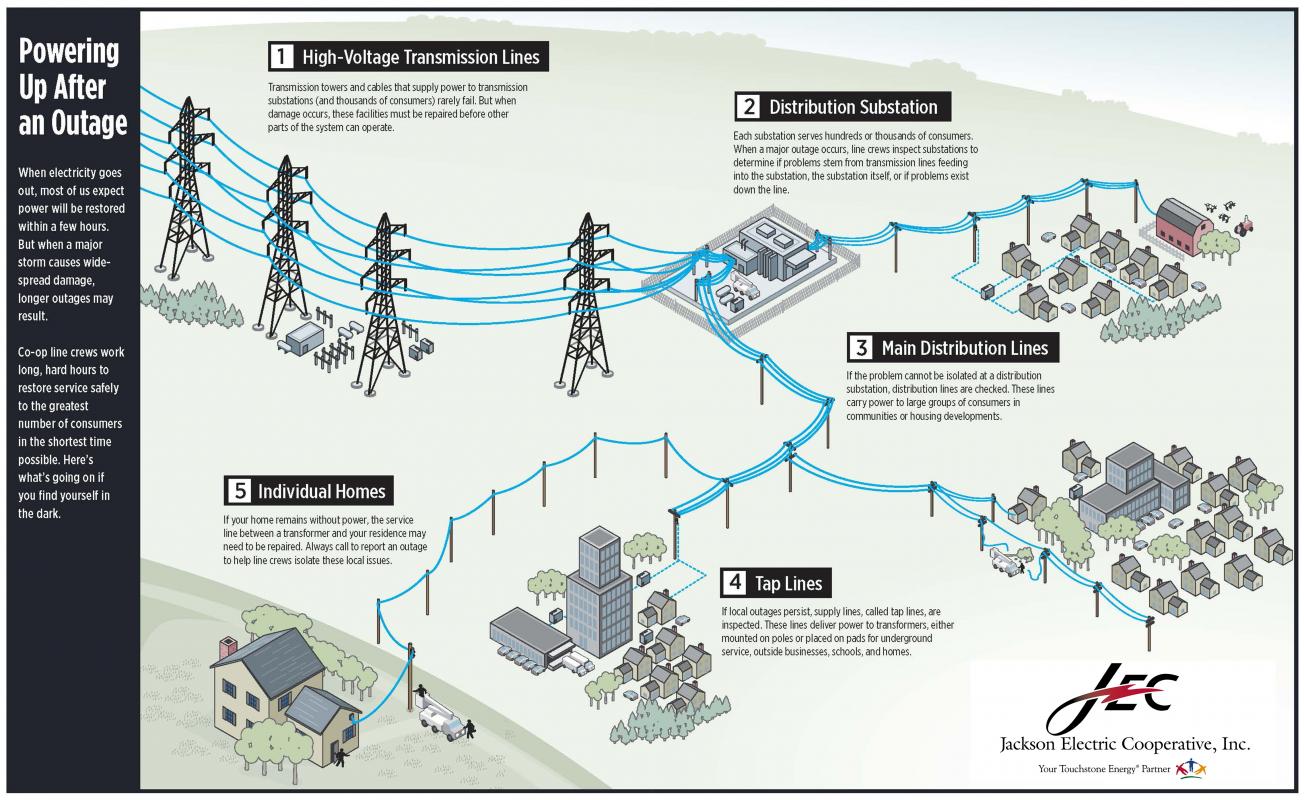
Oh, absolutely it does! If you live in a bustling city with power lines often snaking underground, an outage might be quicker to isolate and fix because the infrastructure is generally more robust and accessible. Plus, there are usually more crews nearby. But if you're out in the sticks, enjoying your peaceful, sprawling property, a single downed line might mean a longer trek for crews, trickier terrain, and potentially more extensive repairs over a wider area. It’s not personal, it’s just… logistics, my friend.
Think about it: it's much easier to fix a problem on a well-lit city street than it is to navigate through muddy backroads in the middle of a hurricane to find a fallen tree tangled in power lines. The environment really throws a wrench in things sometimes!
The Repair Crew: Unsung Heroes of the Dark
Once the cause is found, the real work begins. And this is where the extent of the damage becomes crucial. Is it a quick flip of a switch, replacing a single fuse, or is it a catastrophic mess involving multiple downed poles, miles of snapped wire, and a transformer that looks like it lost a fight with a small meteor? The bigger the mess, the more complex and time-consuming the repair.

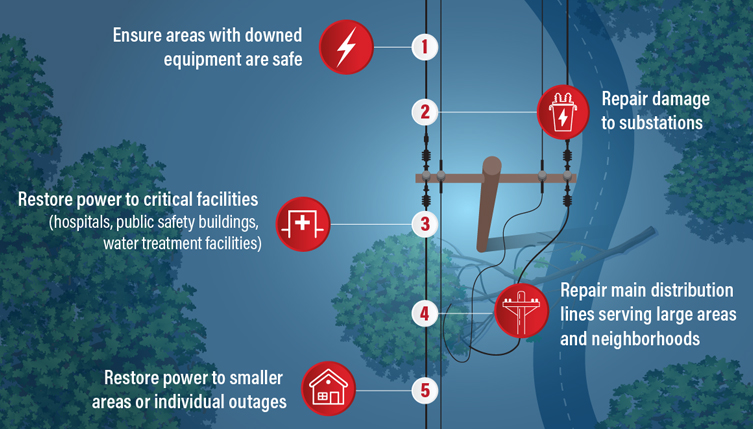
These folks, the line workers, are honestly superheroes. They work in all kinds of brutal weather conditions, often at crazy hours, dealing with incredibly dangerous voltages. They're prioritizing too, you know. Hospitals, emergency services, and water treatment plants usually get the first crack at power restoration, as they should. Your freezer full of artisanal ice cream, while important to you, might have to wait a little longer. (Sorry, not sorry.)
So, What’s the Magic Number?
Right, the burning question! There’s no single answer, unfortunately. But we can give you a ballpark:
- Minutes to a few hours: For localized issues, a blown fuse, or a minor equipment glitch. These are the "blink and you missed it" outages.
- A few hours to a day: For more significant local damage, like a downed pole from a car accident, or an isolated tree falling on a line.
- Days to even weeks: For widespread devastation from major natural disasters like hurricanes, massive ice storms, or earthquakes. These require a complete rebuild of sections of the grid.
Your best bet for accurate info? Your utility company’s website or app. They usually have outage maps that update in real-time. Or, if you’re feeling particularly dramatic, check social media – someone’s always complaining, and the utility companies are often responding there too! (Not that I'm recommending complaining, of course... mostly.)
Embrace the Silence (and Be Prepared!)
The next time the lights go out, take a deep breath. Know that there are dedicated crews out there, probably right at this moment, working their tails off to bring the juice back. It’s not just flipping a switch; it’s a complex, often dangerous, and truly essential job.
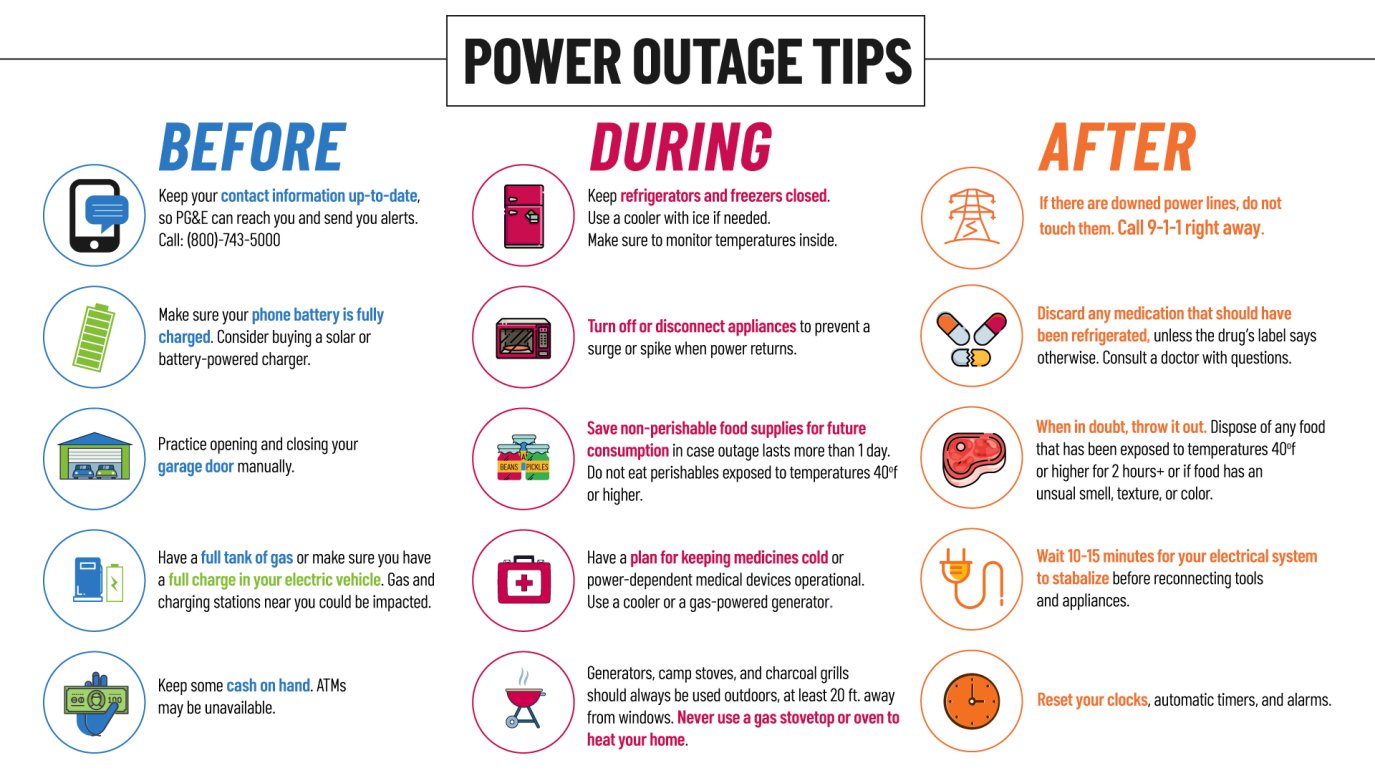
In the meantime, keep some flashlights handy, maybe a power bank for your phone, and a good book. Or, you know, just use it as an excuse to actually talk to the people you live with. Gasp! Who knew a power outage could lead to actual human interaction? You might even discover that a little forced unplugging isn't the worst thing in the world. But let's be honest, we'll still be eagerly awaiting that sweet, sweet glow of the internet router. Always.