
How Long To Charge Battery With Trickle Charger
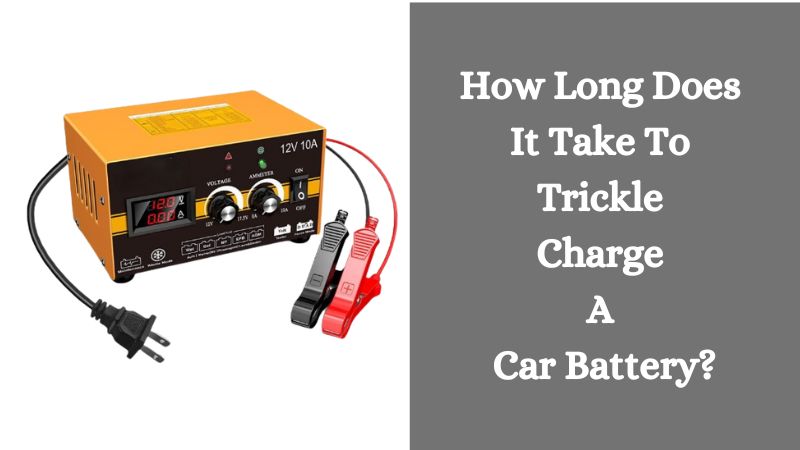
So, you've got a trickle charger, huh? Cool! Think of it as the ultimate battery babysitter. But how long do you leave this little fella hooked up? Let's dive in!
Trickle Charging: The Tortoise, Not the Hare
First things first: trickle chargers are slow. We're talking glacially slow. Think tortoise, not hare. They deliver a tiny, tiny current – just enough to counteract the natural self-discharge that happens when a battery sits unused.
Why so slow? Well, that's the point! It's all about gentle care. A slow, steady charge helps keep your battery healthy and happy. Unlike those power-hungry fast chargers, trickle chargers are designed for long-term maintenance.
Must Read
Imagine your battery is a plant. A fast charger is like dumping a bucket of water on it. A trickle charger is like a slow, consistent drip – just what it needs!
The Great Time Debate: How Long is Too Long?
Okay, the burning question: how long exactly? There's no magic number, sadly. It depends!

Factors include:
- Battery type: Lead-acid, AGM, lithium-ion – they all have different needs.
- Battery size: A tiny motorcycle battery will charge faster than a massive RV battery. Obviously!
- Battery condition: Is your battery completely dead or just a little low? A fully drained battery will take much longer.
- Charger output: Different trickle chargers have different amperage ratings.
Generally speaking, for a typical car battery, you might be looking at anywhere from 12 to 48 hours to fully charge a deeply discharged battery. Yeah, it's a commitment!
But wait! There's good news! Many modern trickle chargers have automatic shut-off features. They'll detect when the battery is fully charged and stop the current flow. This prevents overcharging, which is bad news for battery longevity.

Overcharging: A Battery's Worst Nightmare
Overcharging is like feeding your plant too much water. It drowns! In battery terms, it can cause damage to the internal components, shorten its lifespan, or even lead to… (dramatic music) …explosion! Okay, explosions are rare, but it's definitely something to avoid. Safety first!
That's why those fancy auto-shut-off chargers are so great. They take the guesswork out of the equation. But if you have an older, simpler trickle charger, you'll need to keep a closer eye on things.
The Touch Test: Is It Hot in Here?
Here's a handy trick: occasionally touch your battery while it's charging. It should feel slightly warm, but never hot. If it's getting uncomfortably hot to the touch, unplug the charger immediately! Something's not right.
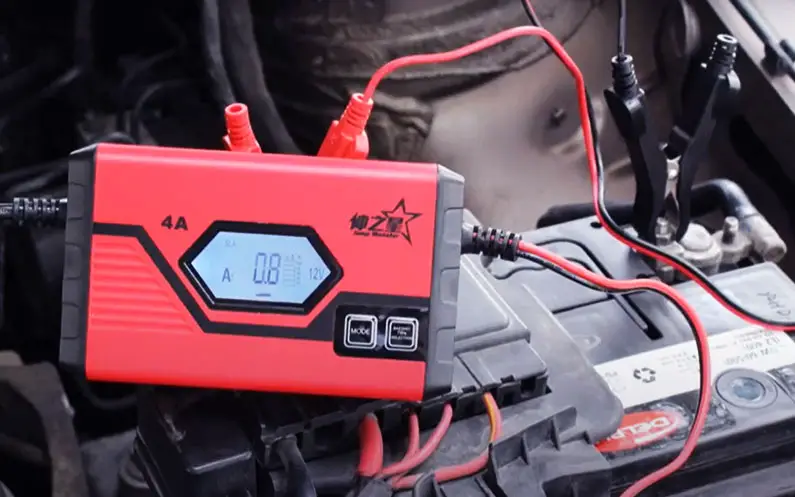
Think of it like a bath – lukewarm is good, scalding is bad.
Maintenance Mode: The Beauty of Trickle Charging
The real magic of trickle charging isn't just about bringing a dead battery back to life. It's about maintaining a healthy charge over long periods of inactivity. Think winter storage for your car, boat, or motorcycle.
Leaving your battery connected to a trickle charger in "maintenance mode" prevents sulfation, a process that reduces battery capacity and lifespan. Sulfation is like plaque buildup in your arteries – bad news for performance!
Read the Manual! (Seriously!)
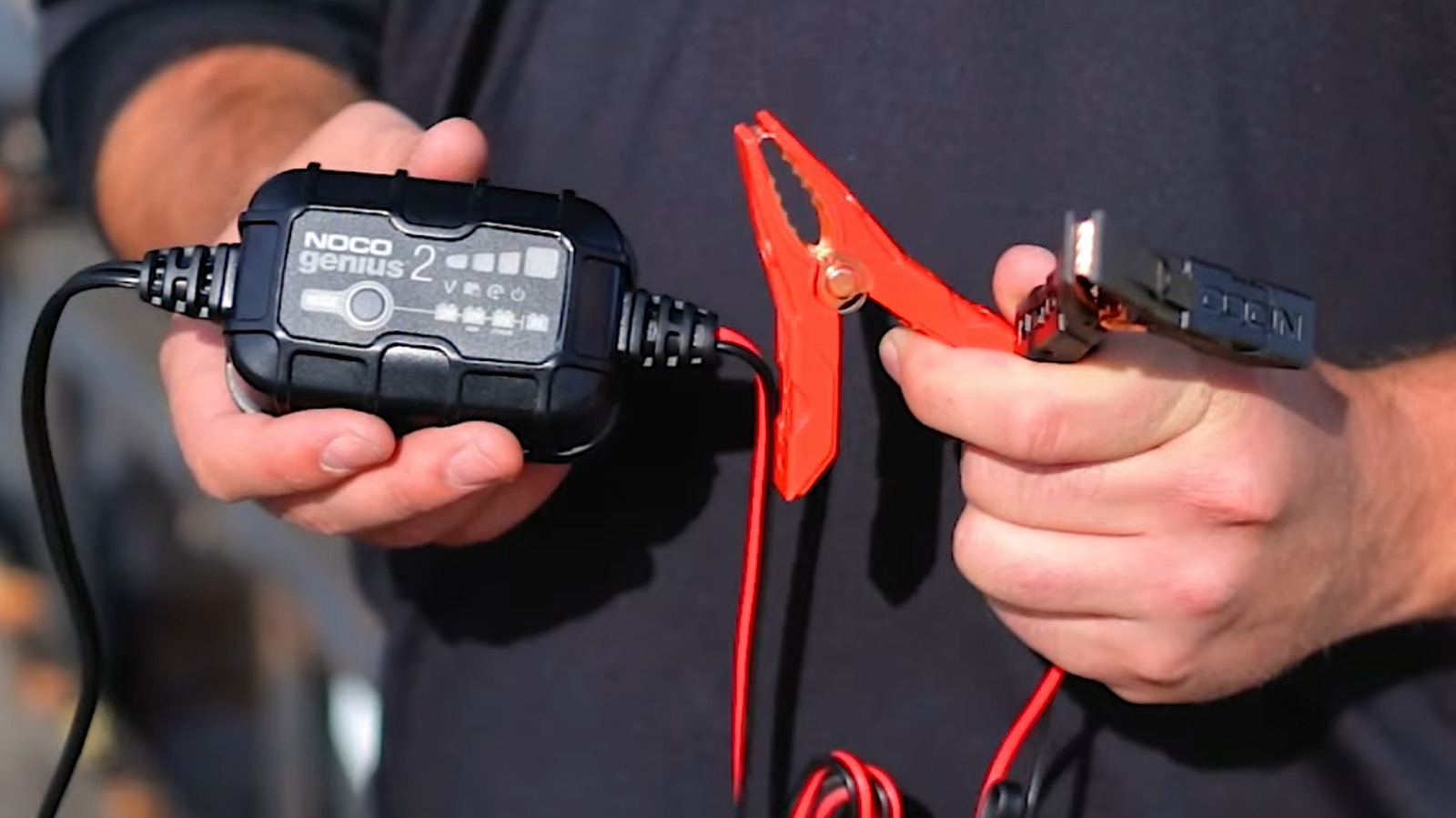
Okay, I know manuals are boring. But seriously, read the manual for both your battery and your trickle charger. It will provide specific instructions and warnings for your particular setup. This is especially important for lithium-ion batteries, which require very specific charging protocols.
Think of the manual as the cheat sheet to battery bliss. Don't skip it!
In a Nutshell: Trickle Charging Tips
- Be patient: Trickle charging takes time.
- Check for auto shut-off: It's a lifesaver! (Battery saver, actually.)
- Monitor the temperature: Lukewarm is good, hot is bad.
- Read the manuals: Knowledge is power!
- Unplug when charged (if no auto shut-off): Don't overdo it.
- Use for long-term storage: Keep your battery healthy!
So, there you have it! Trickle charging: a slow, steady, and surprisingly fascinating way to keep your batteries happy and healthy. Now go forth and charge responsibly!