
How Long Should Your Car Run To Charge The Battery

Okay, so you've got a car battery that's flatter than a pancake left in the desert. We've all been there! Maybe you left the lights on (guilty!), or maybe your car just decided it was time for a nap. Now you're staring at it, wondering how long you need to let that engine run to bring your battery back from the brink.
Well, buckle up, buttercup, because we're about to dive into the thrilling world of car battery charging! And don't worry, it's not rocket science (unless you're trying to charge a rocket's battery, then maybe consult a rocket scientist).
The Myth of the 5-Minute Miracle Charge
First things first: let's bust a myth. You might have heard that a quick 5-minute engine run is all you need to revive a dead battery. Let me tell you, that's about as effective as trying to fill a swimming pool with a teaspoon. It might give you just enough juice to cough and sputter, but you'll probably be stranded again before you even reach the coffee shop.
Must Read
Think of it like this: your car battery is a thirsty traveler who's been wandering the desert for days. A five-minute sip of water isn't going to cut it. They need a proper, long, and refreshing drink!
The Real Deal: How Long to Charge?
So, what's the magic number? Generally, you're looking at a good 20-30 minutes of driving at a decent speed to put a significant charge back into your battery. That's if you have a car which does not have many electronic systems.

Idling Isn't Ideal
Now, before you think you can just sit in your driveway revving the engine like you're auditioning for a Fast & Furious movie, let's talk about idling. While idling does charge the battery, it's much slower and less efficient than actually driving. Why? Because at idle, your engine isn't working as hard, and therefore the alternator – that's the little gizmo that recharges your battery – isn't spinning as fast. It’s like trying to fill a bucket with a leaky faucet.
Important Note: Some modern cars with advanced electronic systems may require even longer driving times to fully charge a depleted battery. These systems draw more power, leaving less for recharging the battery. Always consult your owner's manual for specific recommendations!
Factors That Affect Charging Time
Just like baking a cake, charging a car battery isn't an exact science. Several things can influence how long it takes:
- The Battery's Condition: If your battery is old, damaged, or has internal issues, it won't hold a charge as well, and it will take longer to recharge. Think of it as a leaky bucket – you can keep pouring water in, but it'll never fill up completely.
- The Alternator's Health: A weak or faulty alternator won't be able to charge the battery effectively, no matter how long you drive. It's like having a garden hose with a kink in it – the water flow is restricted.
- Electrical Load: Running a bunch of accessories – headlights, air conditioning, the booming stereo system, charging all yours and your neighbour’s phones via usb – puts extra strain on the alternator and slows down the charging process. Turn off unnecessary electronics while driving to give your battery a better chance to recover.
- Temperature: Extreme temperatures, both hot and cold, can affect battery performance. Cold weather especially slows down chemical reactions inside the battery, making it harder to charge.
The Smart Choice: A Battery Charger
If you're frequently dealing with a dead or weak battery, investing in a good quality battery charger is a wise move. A battery charger allows you to slowly and safely recharge your battery overnight, giving it a much more thorough and complete charge than you can achieve with just driving. This is like giving that thirsty traveler a long, cool drink and a comfortable bed for the night!
And some smart chargers even have features like desulfation, which can help to restore the health of older batteries. It's like giving your battery a spa day!
The Bottom Line
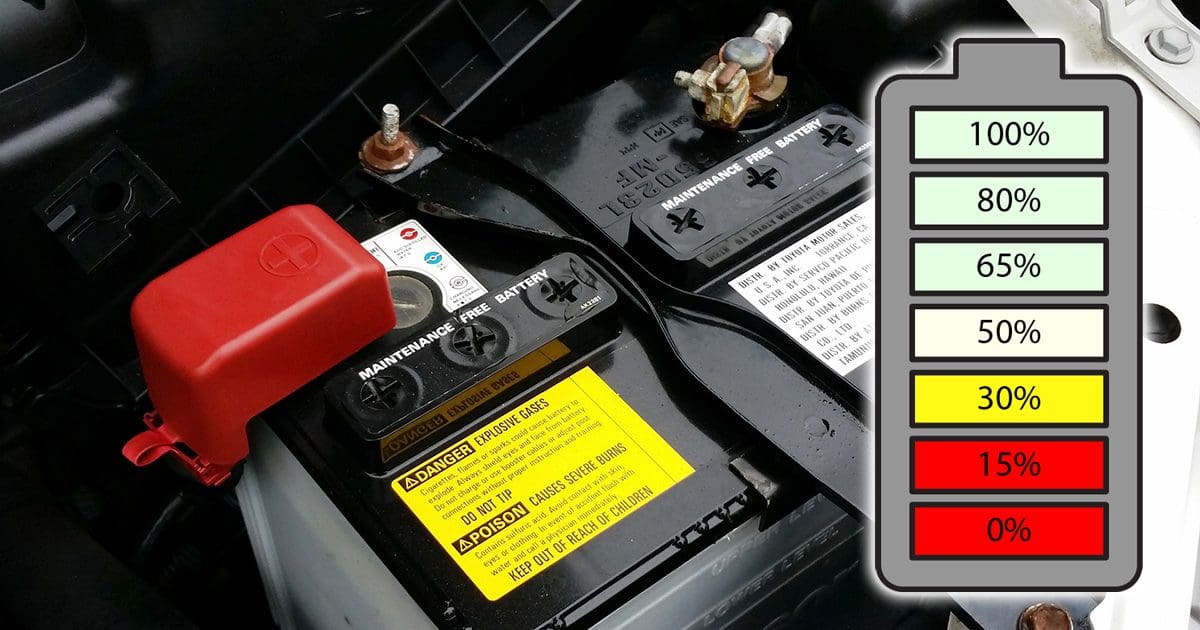
So, how long should you run your car to charge the battery? Aim for at least 20-30 minutes of driving. Avoid excessive idling and turn off unnecessary accessories. And if you’re constantly battling a dead battery, consider a dedicated battery charger. Your car – and your sanity – will thank you for it!
And remember: if in doubt, consult a professional mechanic. They have the tools and expertise to diagnose battery and charging system issues and get you back on the road safely. Now, go forth and conquer that open road!
Disclaimer: The information provided in this article is for general guidance only. Always consult your owner's manual and a qualified mechanic for specific recommendations regarding your vehicle.
