
How Long Is Rotisserie Chicken Good For In Fridge
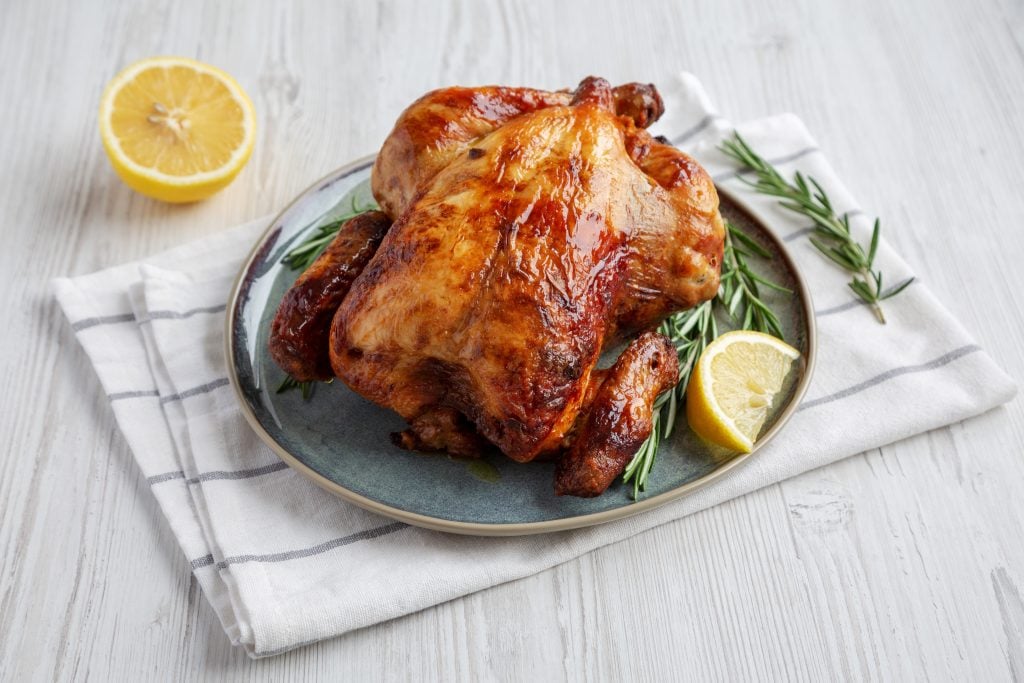
Ah, the glorious rotisserie chicken! That golden-brown beacon of convenience and deliciousness calling to us from the grocery store shelves. You grab one, maybe two (because why not?), and bring it home, visions of easy dinners and satisfying lunches dancing in your head.
But then reality hits. You’ve devoured a respectable portion, but there’s still a good chunk of that juicy bird remaining. The question now haunts you: "How long can this magnificent creature safely hang out in my fridge?" Fear not, fellow chicken enthusiast! We’re about to crack the code.
The Magical 4-Day Rule: Your Rotisserie Chicken's Shelf Life
The generally accepted, gospel truth of rotisserie chicken storage is the 4-day rule. This isn't just some random number plucked from the sky; it’s based on food safety guidelines.
Must Read
Think of it like this: Day one is rotisserie bliss. Day two? Still fantastic. Day three? Proceed with reasonable confidence. Day four? You're pushing your luck, my friend. It's like wearing socks 4 days straight - it might be technically okay, but are you really comfortable with that?
Basically, properly stored rotisserie chicken is generally safe to eat for 3-4 days in the refrigerator. Keep it in mind!
"Properly Stored," You Say? Let's Get Specific!
Now, about that "properly stored" bit. This is where we separate the chicken champions from the potential poultry peril. Imagine leaving that delicious bird sitting on the counter all night. No, no, no! That’s a recipe for disaster – a bacterial fiesta, if you will.
Here's the deal: Bacteria love warm temperatures. Leaving your rotisserie chicken at room temperature for more than 2 hours is basically an open invitation for them to party. And trust me, you don’t want those gatecrashers at your dinner table.
The goal is to cool down that chicken quickly and keep it consistently cold. Like putting on fuzzy socks after a long day: soothing and comfortable (for the chicken, in this case).
The Best Ways to Store Your Rotisserie Chicken: A Step-by-Step Guide
So, what are the best practices for keeping your rotisserie chicken safe and delicious for as long as possible? Here's your battle plan:
- Cool It Down Rapidly: Don't let your rotisserie chicken linger at room temperature. Within two hours of purchasing or serving, get it into the fridge. The sooner, the better. Think of it like a race against the bacterial clock!
- Divide and Conquer: If you're not planning on eating the entire chicken in one sitting (and let’s be honest, sometimes we are!), carve it into smaller portions. This helps it cool down faster. It’s like breaking up a crowd of chickens at a wild party; things cool down quicker!
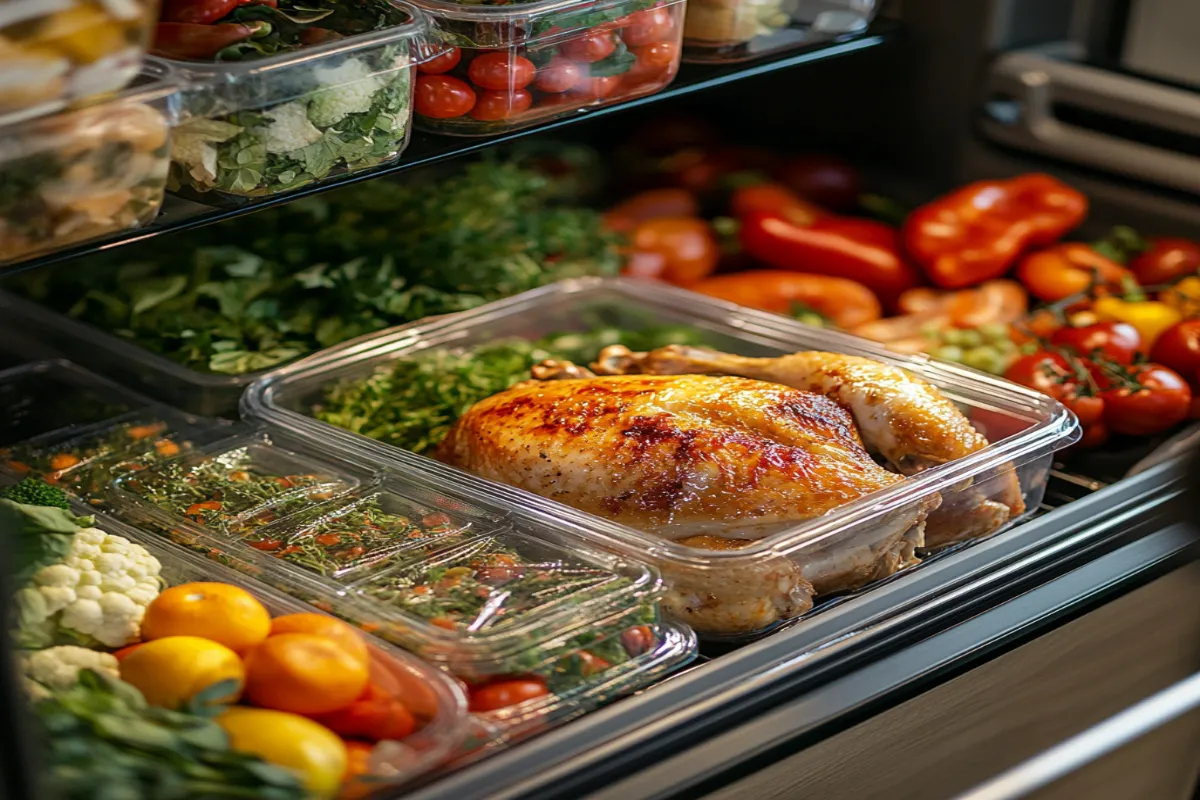
- Choose Your Container Wisely: The ideal storage container is airtight. This helps prevent the chicken from drying out and also keeps those pesky refrigerator odors from infiltrating your precious poultry. Think of it like giving your chicken a comfy, protective hug.
- The Shallow Container Trick: For even faster cooling, use shallow containers. The increased surface area allows the heat to dissipate more quickly. Imagine your chicken sunbathing, but instead of getting a tan, it's just getting colder, faster.
Signs Your Rotisserie Chicken Has Gone Rogue
Okay, let's say it's day four (or maybe, gasp, even day five!). You're staring at that remaining chicken, wondering if it's still safe to eat. How do you know if it’s crossed over to the dark side?
Your senses are your best allies here. Trust your nose, your eyes, and your common sense. It’s like being a chicken detective, solving a case of potential food poisoning. Here are the key clues:
- The Smell Test: This is the big one. If your chicken smells "off," sour, or just generally unpleasant, chuck it. No questions asked. It's like encountering a skunk on your morning walk – you know it's time to turn around and head in the opposite direction.
- The Visual Inspection: Look for any signs of discoloration, mold, or sliminess. If the chicken looks weird, it probably is. Think of it like spotting a strange rash; you wouldn’t touch it, would you?
- The Texture Check: If the chicken feels slimy or sticky, that's a bad sign. It should be firm and moist, not slick and unsettling. It’s like shaking hands with a damp, cold fish – not an experience you want to repeat.
If you notice any of these red flags, don't even think about taking a bite. It’s better to be safe than sorry (and potentially spend the next few hours regretting your decision).
What About Freezing Rotisserie Chicken?
Absolutely! Freezing is a fantastic way to extend the life of your rotisserie chicken if you know you won't be able to eat it within the 4-day window. It’s like hitting the pause button on the chicken’s aging process.

Properly frozen rotisserie chicken can last for 2-6 months in the freezer. The sooner you freeze it, the better the quality will be when you thaw it. Don't let it sit in the fridge for too long before freezing. It's like getting a head start in a race; the sooner you start, the better your chances of winning.
Freezing Like a Pro: Tips for Optimal Chicken Preservation
Here's how to freeze your rotisserie chicken like a seasoned food preservationist:
- Debone and Shred: Remove the chicken from the bones and shred the meat. This will make it easier to use later. It's like pre-chopping your vegetables; it saves you time and effort down the road.
- Portion It Out: Divide the shredded chicken into portions that you'll actually use. This prevents you from having to thaw a huge block of chicken when you only need a cup or two. It's like wrapping individual presents instead of one giant, unwieldy package.
- Choose Your Freezer Bag or Container: Use freezer-safe bags or containers. Press out as much air as possible to prevent freezer burn. Freezer burn is the enemy! It dries out the chicken and affects the flavor. It’s like letting the air out of a balloon; it shrivels up and loses its appeal.
- Label and Date: Always label your frozen chicken with the date. This will help you keep track of how long it's been in the freezer. It's like putting a return address on a letter; it ensures that it doesn't get lost in the shuffle.
Thawing: The Gentle Approach
When you're ready to use your frozen rotisserie chicken, thaw it slowly in the refrigerator. This is the safest way to thaw it. Don't thaw it at room temperature. Remember those bacteria we talked about earlier? They’ll be back for another party if you give them the chance.
Thawing in the refrigerator can take 12-24 hours, depending on the size of the portion. Plan ahead! It's like marinating meat; it takes time, but it's worth the wait.

Once thawed, use the chicken within 1-2 days. Don’t refreeze thawed chicken unless it has been cooked. Refreezing can compromise the texture and quality of the chicken. It’s like trying to iron a crumpled piece of paper multiple times; it just gets worse each time.
Rotisserie Chicken Leftovers: The Possibilities Are Endless!
Now that you know how to properly store and freeze your rotisserie chicken, let's talk about what to do with those glorious leftovers! The possibilities are truly endless.
Think chicken salad sandwiches, chicken tacos, chicken noodle soup, chicken pot pie, chicken quesadillas, chicken fried rice... the list goes on! Rotisserie chicken is the ultimate shortcut to delicious and easy meals.
So, embrace the rotisserie chicken, store it wisely, and enjoy the deliciousness that awaits! Your stomach (and your busy schedule) will thank you. Just remember the 4-day rule and those all-important storage tips, and you’ll be a rotisserie chicken master in no time! Enjoy, and may your chicken always be juicy and safe!