
How Long Is Food Good In The Fridge Without Power

Okay, so picture this: you've just made the world's most perfect potato salad. I'm talking creamy, tangy, with just the right amount of dill. It's destined for legendary status at tomorrow's barbecue. Then BAM! The lights flicker, the fridge hums its last little tune, and you're plunged into darkness. Your heart sinks faster than a lead balloon. The question on everyone's mind: "How long before my precious potato salad goes from 'divine' to 'dangerously dicey'?"
Let's talk about the elephant in the room, or rather, the salmonella in the fridge. Food safety is no joke. We're not talking about a slightly off flavor here; we're talking about potentially spending your weekend...well, let's just say you'll become intimately acquainted with your bathroom. Nobody wants that.
The Golden Rules of Fridge-Survival Time
Right, so here's the lowdown, the gospel, the absolute truth when it comes to how long your food can hang out in a powerless fridge before things get ugly. We're talking about a maximum of 4 hours for most things.
Must Read
Four hours! I know, I know, it sounds brutal. Like the culinary equivalent of Cinderella's carriage turning back into a pumpkin. But trust me, playing Russian roulette with bacteria is not a fun game.
Why four hours? Because that's the window of opportunity for those pesky little microbes to throw a raging party. Once your fridge temperature creeps above 40°F (4°C), the bacterial fiesta begins. And trust me, you don't want an invite.

However! There's a tiny sliver of hope, a glimmer of light in the darkness. If your freezer is packed to the gills like a sardine convention, it'll act as an ice-cold bodyguard for your fridge. This can slightly extend the survival time. We're talking maybe another hour or two, max. Don't push your luck.
Meat Me Halfway: Specific Food Timelines
Okay, let's break it down by category, because not all foods are created equal when it comes to spoilage.
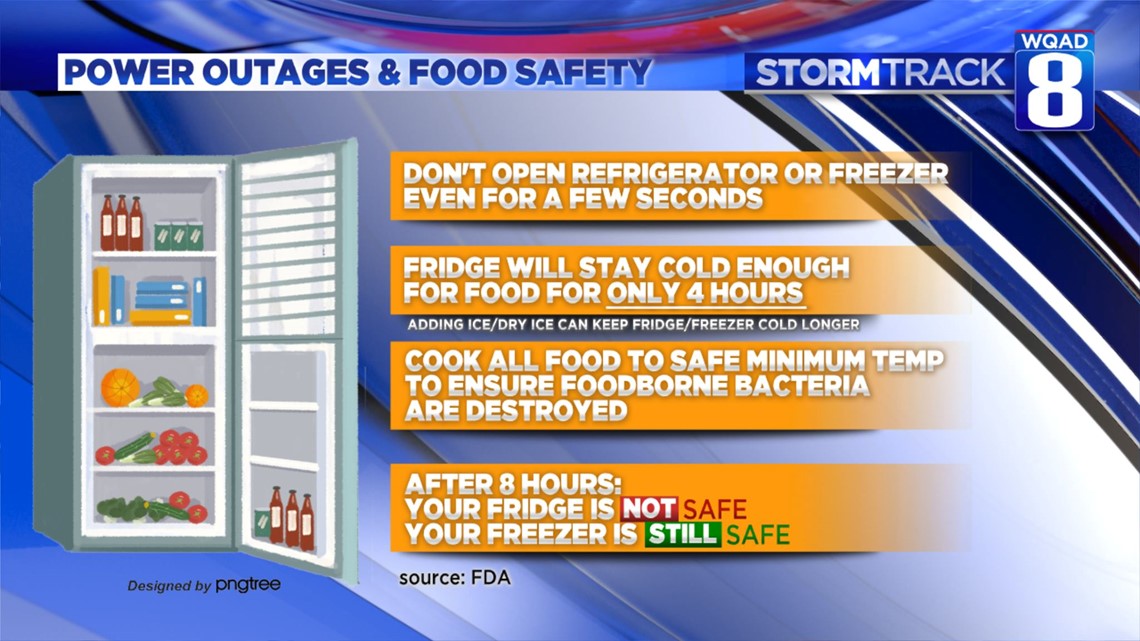
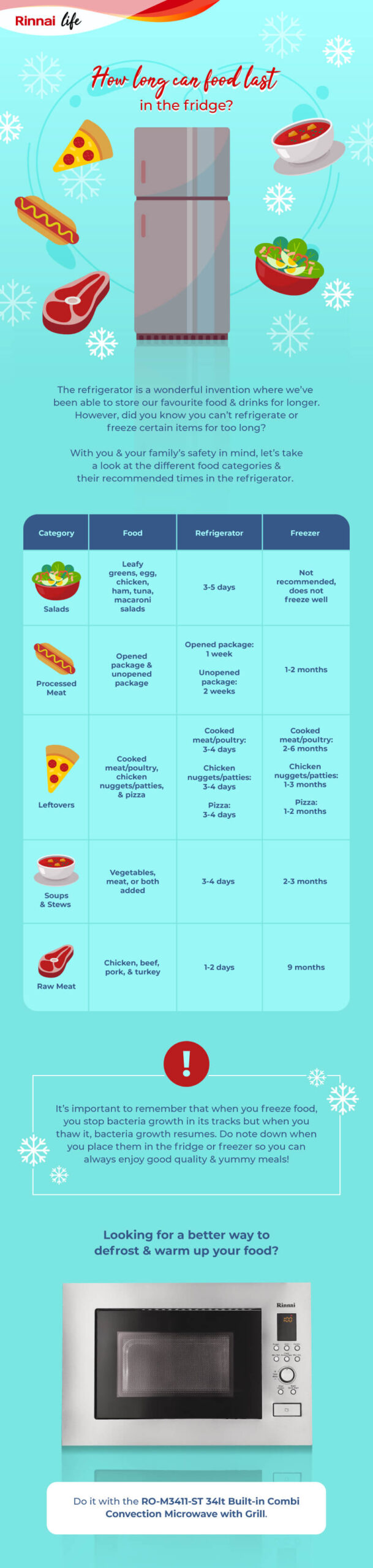
- Meat, Poultry, Seafood: These are the high rollers of rapid spoilage. They're basically a bacterial buffet. After 4 hours, toss 'em. Don't even think about it. Imagine your raw chicken growing little legs and walking away – that's how fast things can go wrong.
- Dairy: Milk, yogurt, cheese...these guys are also pretty sensitive. That "sell-by" date becomes a "sell-by-ANY-means-necessary-before-it-turns-into-something-resembling-nuclear-waste" date. Four hours, people. Four hours!
- Cooked Leftovers: That leftover lasagna that’s been staring at you for three days? Pitch it. Don't risk it. Think of it as a science experiment gone wrong.
- Fruits and Veggies: Some fruits and veggies are tougher than others. Hard cheeses and hearty vegetables (carrots, potatoes) might last a little longer, but honestly, if in doubt, throw it out. Nobody wants potato salad that tastes like regret.
Pro-Tip: If you're expecting a power outage (thanks, Mother Nature!), freeze some water bottles to act as ice packs in your fridge. This will buy you some extra time and keep things cooler for longer.
The Freezer Factor: Your Frozen Food Savior
Now, let's talk about the freezer, the unsung hero of power outages. A fully stocked freezer can keep food safe for up to 48 hours. A half-full freezer? About 24 hours. This is where your emergency ice cream stash becomes an actual emergency survival tool.
Important! Don't open the freezer door unless absolutely necessary. Every time you peek inside, you're letting out precious cold air and shortening the lifespan of your frozen goods.
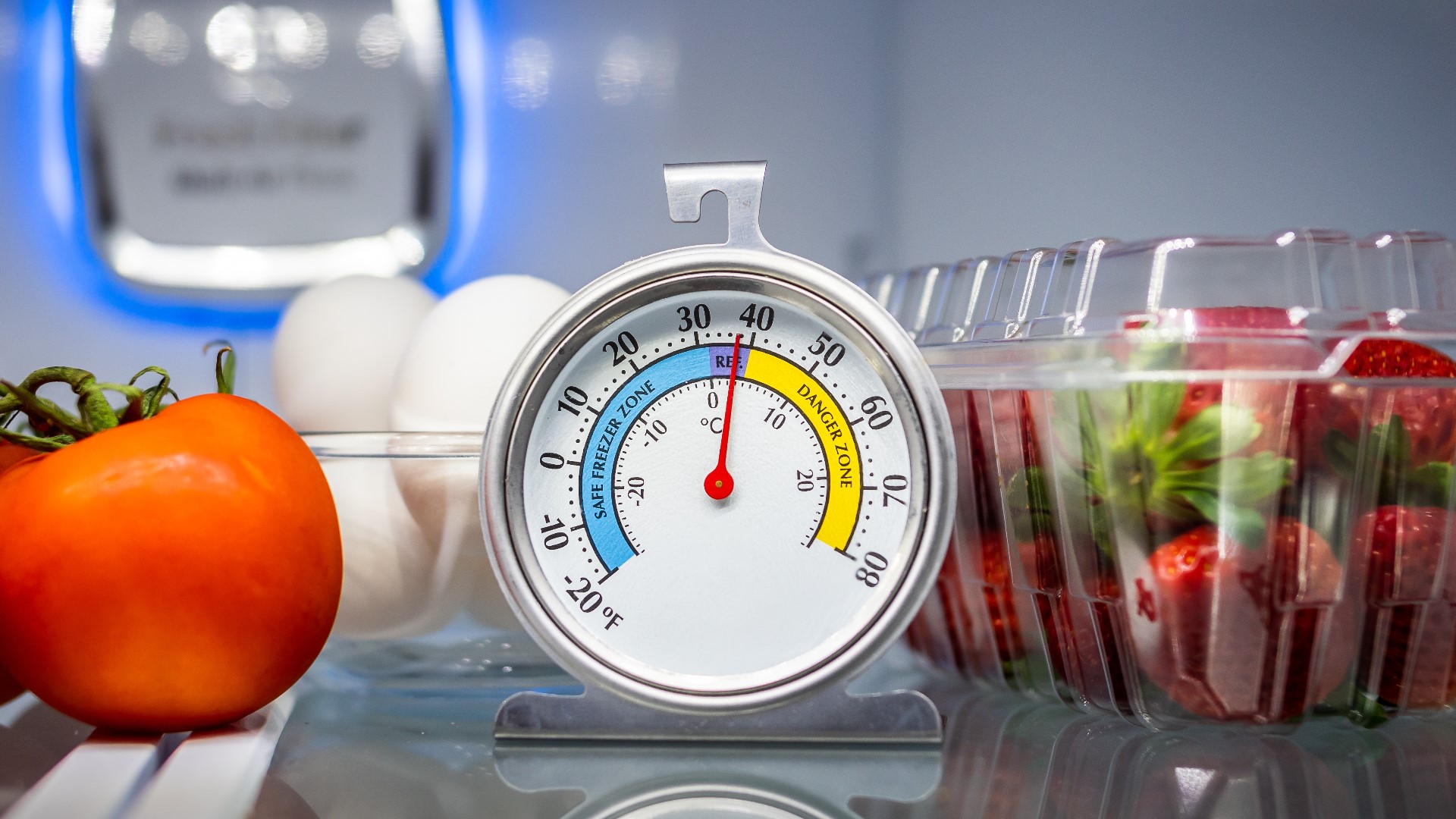
If you're worried about whether your frozen food is still safe, here's a handy trick: if the food still has ice crystals, it's probably okay. If it's thawed completely and looks questionable, err on the side of caution. When in doubt, throw it out. Your taste buds might mourn, but your stomach will thank you.
When in Doubt, Throw it Out!
Seriously, folks, don't play food safety roulette. It's not worth the risk. If you're unsure about whether something is safe to eat after a power outage, toss it. Your health is far more valuable than that questionable container of mystery meat.
Think of it this way: throwing away a few dollars' worth of food is a small price to pay for avoiding a trip to the emergency room. Besides, you can always order pizza.
So, next time the lights go out, remember these golden rules. Keep calm, assess the situation, and don't be afraid to part ways with questionable food. And hey, maybe it's a sign to finally try that new restaurant you've been eyeing. After all, a little culinary adventure never hurt anyone (as long as it involves properly refrigerated ingredients!).
Stay safe, and may your refrigerators remain forever powered!