
How Long Is A Half In Football

Ever sat there, eyes glued to the TV, a half-eaten snack threatening to fall from your hand, and thought, "Hang on, didn't that half start like… three years ago?" You’re not alone, my friend. The beautiful, chaotic beast that is football (or soccer, if you must) has a wonderfully peculiar relationship with time. Specifically, with how long a "half" actually is.
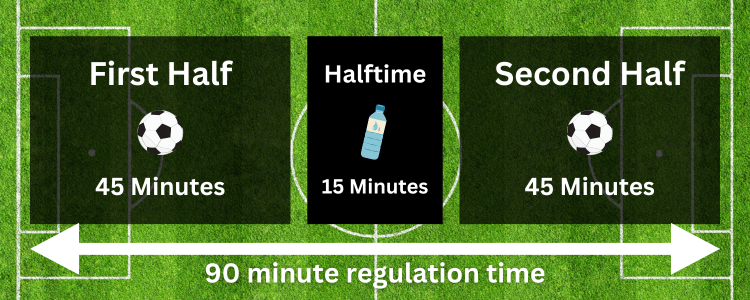
You see, on paper, it’s delightfully simple. A football match consists of two halves, each a crisp, clean 45 minutes long. Add in a 15-minute half-time break, and you've got yourself a neat 90-minute package of pure sporting drama. Sounds simple, right? Wrong. So incredibly wrong.
That 45-minute figure is less a strict rule and more a polite suggestion, a jumping-off point for what often feels like a temporal wormhole. Because while the clock ticks down, the game itself is constantly being interrupted. And every single one of those interruptions means extra time gets tacked on at the end of the half, like a particularly clingy party guest who refuses to leave.
Must Read
The Referee's Secret Watch and the Mystery of Stoppage Time
This magical extra period is officially known as stoppage time, or sometimes injury time. It’s the referee’s job to be the designated time lord, meticulously noting every pause in play. How do they do this? With a tiny, mystical wristwatch that only they can understand, presumably. And then, at the end of the 45 minutes, they hold up a board that declares how many additional minutes we’re all in for. It’s like a mini-cliffhanger at the end of every half!
So, what exactly causes this time-bending phenomenon? Well, buckle up, because the list is longer than your average shopping trip:
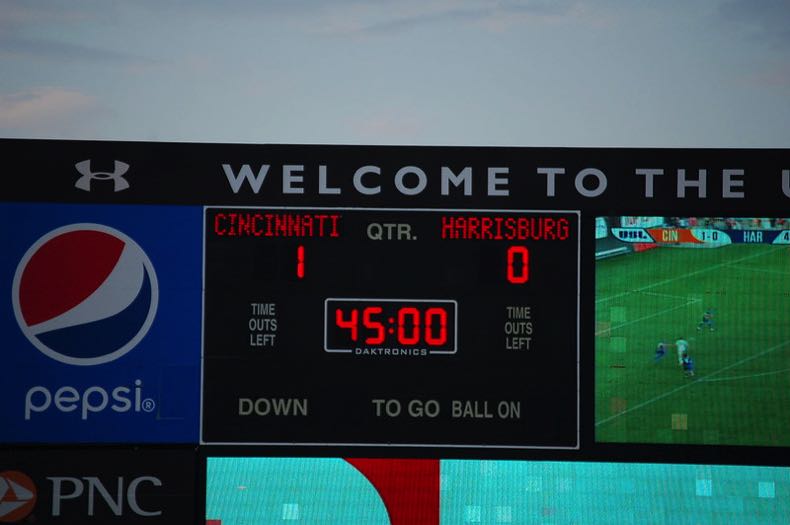
First up, injuries. Oh, the drama! A player goes down, clutching their knee like they’ve just been shot by a sniper. The physios rush on with their magic spray and questionable stretching techniques. This can take anywhere from 30 seconds to an eternity if it’s a serious one. The more theatrical the fall, the longer the pause, obviously.
Then there are substitutions. Someone’s tired, or tactical genius is required. A player shuffles off the pitch at a pace that suggests they’re personally offended by the concept of urgency, taking a leisurely stroll around the perimeter, shaking every hand they can find. Meanwhile, their replacement sprints on like they’ve just been offered free pizza. Each one takes time, precious time.
And let’s not forget goal celebrations. The pure unadulterated joy! Players pile on top of each other, perform elaborate dances, maybe even take a quick selfie with the corner flag. All this is fantastic for entertainment, but terrible for the clock. Each goal adds a chunk of time to the ref’s secret tally.

More recently, we have the glorious, infuriating invention of VAR (Video Assistant Referee) checks. This is where the game stops dead while someone in a faraway room meticulously scrutinizes a replay for a potential foul, offside, or handball. It’s like waiting for dial-up internet to connect, but with higher stakes. The tension is palpable, and the clock certainly isn't moving.
And finally, the classic: deliberate time-wasting. Oh, the dark arts! Goalkeepers taking an age to take a goal kick, outfield players walking slowly to take a throw-in, faking injury when their team is ahead. It’s infuriating, clever, and absolutely factored into that stoppage time.
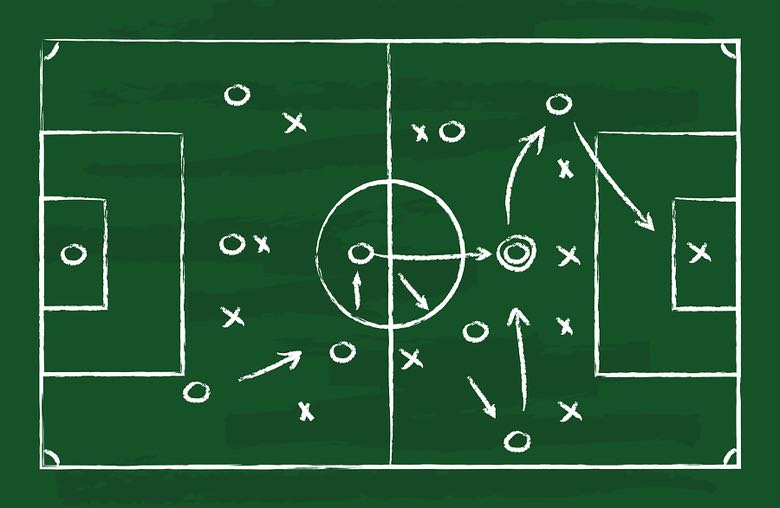
So, How Long Is a Half Really?
Given all that, a 45-minute half in professional football rarely ends at 45 minutes. It’s often more like 47, 48, or even 50+ minutes. Especially in the second half, when teams are either desperately trying to score or desperately trying to hang on, stoppage time can feel like another mini-game in itself.
Consider the "effective playing time," the actual amount of time the ball is in play. For a full 90-minute match, this is often only around 55-65 minutes! The rest is all stoppages, drama, and tactical genius (or shenanigans). So when you feel like you’ve been watching for ages, you probably have been, even if the ball hasn't!
Beyond the 90: The Extra Time Marathon
And then, just when you think you’ve got a handle on things, there’s the knockout stage of competitions, like the World Cup or Champions League. If a match is still tied after those initial two halves (plus all that glorious stoppage time), we enter the realm of extra time. This isn’t more stoppage time; this is a whole new beast.
Extra time consists of two additional halves, each 15 minutes long, with a very short break in between. That’s another 30 minutes of football, which, of course, will also have its own stoppage time. So, a game can easily stretch to 120 minutes of actual play, sometimes more. And if it's still tied after that? Then it's the nerve-shredding, heart-stopping lottery of a penalty shootout.
So, the next time someone asks you, "How long is a half in football?", you can confidently reply, "Well, officially 45 minutes, but in reality, it’s a fluid, ever-changing dance with the clock, dictated by injuries, substitutions, goal celebrations, VAR, tactical time-wasting, and the whims of a referee with a mysterious watch. Could be 47 minutes, could be 50, could lead to another 30 minutes of extra time, or even a shootout. Enjoy!"
It’s part of the beautiful madness, isn't it? The unpredictability, the stretches of time where you hold your breath, not knowing exactly when the whistle will blow. It keeps us on the edge of our seats, wondering not just who will win, but when, precisely, this glorious saga will finally conclude.