
How Long Has Columbus Day Been A Federal Holiday
Okay, confession time. I was at a trivia night last week (don't judge!) and the question came up: "What year did Columbus Day become a federal holiday?" I panicked. I knew it had something to do with… Columbus. And a holiday. But the year? My brain drew a blank. Like, completely blank. I think I guessed something ridiculous like 1992. I'm still cringing.
Anyway, the sheer embarrassment of that moment sent me on a quest. A quest to uncover the truth! How long has Columbus Day been a federal holiday? And, more importantly, why don't I know this stuff already?
The Big Reveal: It's Been A While!
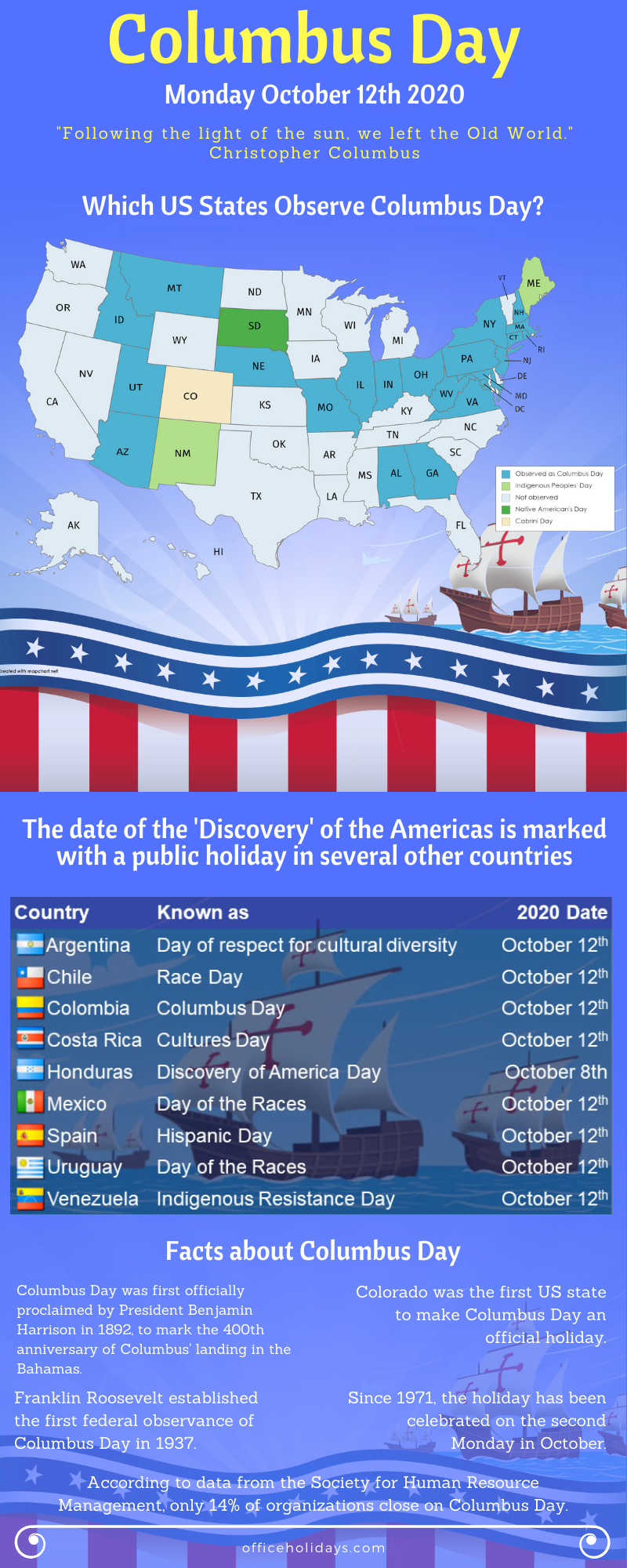
Brace yourselves, trivia enthusiasts (and those who, like me, want to avoid future public humiliation). Columbus Day became a federal holiday way back in… 1937. That's right. Before sliced bread was a truly ubiquitous thing, even. Before World War II. Before a lot of stuff! So, yeah, it's been a hot minute.
Must Read
Think about it: 1937! It feels like ancient history, doesn't it? (And yes, I know, for some of you, it is ancient history. No need to rub it in.)
So, Why 1937? The Story Behind the Holiday
The push for a national Columbus Day holiday actually started much earlier, largely driven by Italian-American communities. They saw Columbus as a symbol of their heritage and wanted a day to celebrate their contributions to the United States. Makes sense, right?

The Knights of Columbus, a Catholic fraternal organization, were particularly instrumental in lobbying for the holiday. They weren't messing around. They saw it as a way to promote patriotism and honor Italian-American culture. And hey, who doesn't love a good parade?
It took a while to gain momentum, though. Several states already recognized Columbus Day before it became a federal holiday. But in 1937, under President Franklin D. Roosevelt (FDR, for you history buffs), it finally became official.
Fun fact: It wasn't originally celebrated on the second Monday of October. That came later, with the Uniform Monday Holiday Act of 1968, which was intended to create more three-day weekends. Score!
The Controversy: It's Not All Sunshine and Rainbows
Now, before we all get too caught up in celebrating Italian-American heritage and the glory of three-day weekends, let's address the elephant in the room. Columbus Day is, to put it mildly, controversial. And for very good reason.

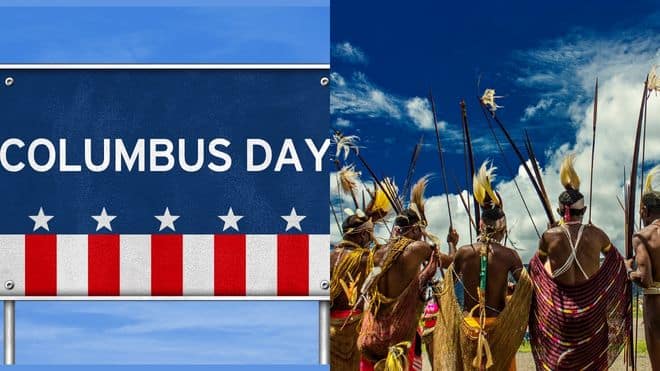
For many, particularly Native Americans, Columbus is not a hero. He represents the beginning of centuries of colonization, oppression, and violence against Indigenous populations. Celebrating him, therefore, is incredibly painful and disrespectful.
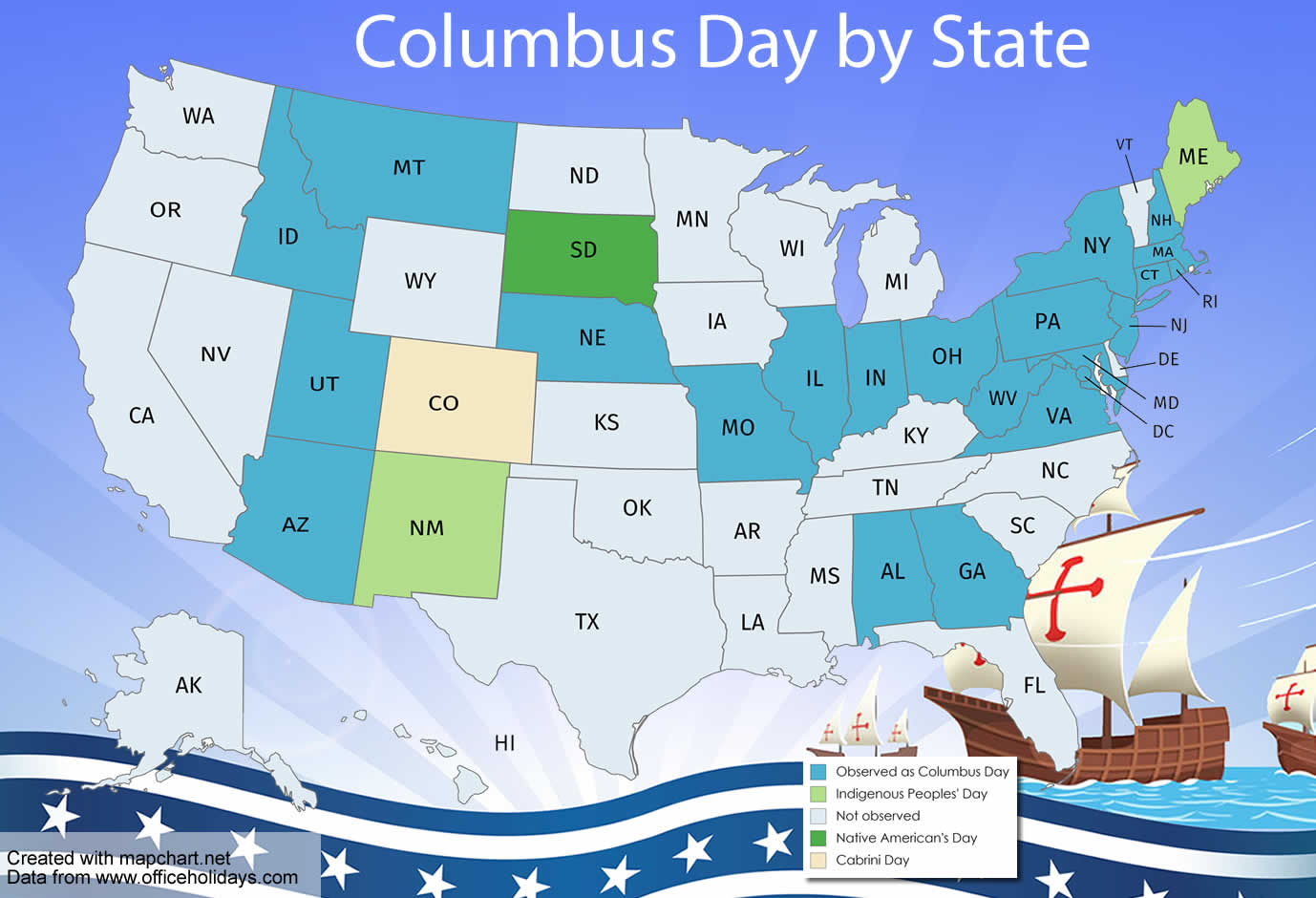
Because of this, many cities and states have replaced Columbus Day with Indigenous Peoples' Day, which honors the history and culture of Native Americans. It's a day to reflect on the devastating impact of colonialism and to celebrate the resilience and contributions of Indigenous communities. I mean, if you're going to have a holiday, maybe it should celebrate people who were here first, right?
Side note: It's a pretty complex issue, isn't it? No easy answers here.
The Takeaway: Learn and Reflect
So, there you have it. Columbus Day has been a federal holiday since 1937. But the story doesn't end there. It's a holiday with a complex history and a very complicated present. The important thing is to be aware of the different perspectives and to approach the day with sensitivity and respect.
Maybe instead of just taking advantage of the day off to go shopping (although, let's be honest, that's tempting), we can all take a moment to learn more about the history of Indigenous peoples in our own communities. Educate yourselves, folks! It's the least we can do. And hey, maybe you'll win a trivia night because of it! (I’m still working on that part).