
How Long For Solar Panels To Pay For Themselves

Ever wondered how long it takes for those shiny solar panels on your neighbor's roof to actually pay for themselves? It's like a financial scavenger hunt! Think of it as a quest to unlock free electricity. Sounds fun, right?
The Great Solar Payback Adventure
Okay, so here’s the deal. Slapping some solar panels up there isn't exactly free. There's the initial cost of the panels themselves, installation, permits... it adds up. But here's where things get interesting. You're essentially pre-paying for years of electricity. And who doesn't love a good bulk discount?
So, how do we figure out this magical payback period? It's a bit like detective work. We need clues! First, we need to know how much the whole shebang cost. That's your starting point. Consider it the 'X marks the spot' on our treasure map.
Must Read
Next, we need to figure out how much electricity your system will generate each year. This depends on things like where you live, how sunny it is (sorry, Seattle!), and the size of your system. Your solar installer can usually give you a good estimate.
Now, let's talk money. Find out how much you currently pay for electricity per kilowatt-hour (kWh). It's usually on your electricity bill. This is your current "electricity ransom." Solar panels aim to free you from it!
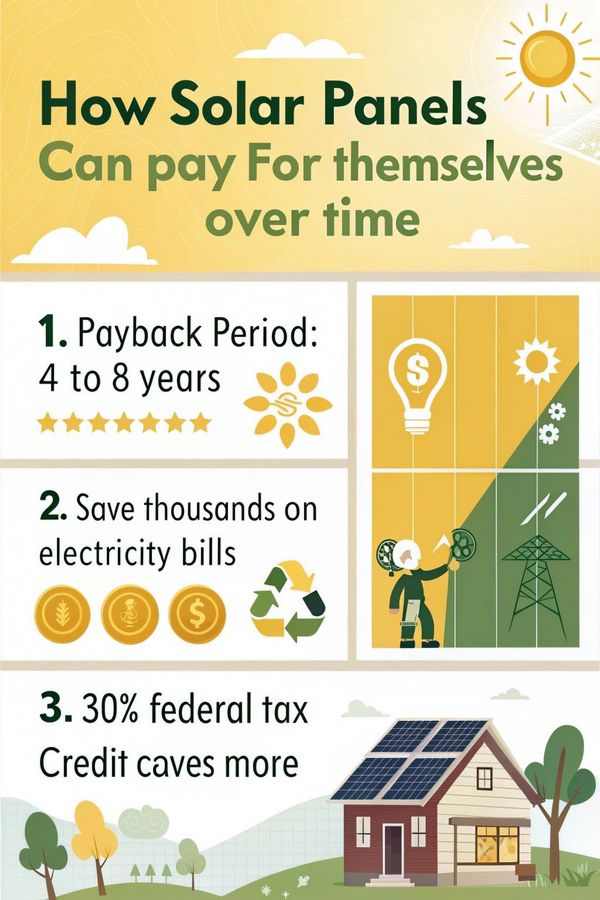
Finally, we're looking at incentives. Many governments offer tax credits, rebates, or other financial goodies for going solar. Think of it as bonus loot for being eco-friendly! These incentives can significantly shorten the payback period. Don't forget to check out local and federal incentives; they might surprise you!
Let's crunch some numbers with a (super simplified) example. Imagine your system cost $15,000. It generates $1,000 worth of electricity each year. Without incentives, that's a 15-year payback. But! If you get a $3,000 tax credit, suddenly it's down to 12 years. Woo-hoo!
Factors That Speed Up the Payback Party
So, what can make this payback party even faster? Here are a few things to consider:
- Location, Location, Location: Sunny spots like Arizona and California get more sunshine, thus generating more electricity. That means more savings and a quicker payback.
- Energy Efficiency: The less electricity you use, the more you'll save with solar. So, switch to LED bulbs, unplug phantom energy vampires (those chargers that suck power even when not in use), and be mindful of your energy consumption.
- Net Metering: This is where your utility company gives you credit for excess electricity your solar panels send back to the grid. It's like getting paid to be eco-friendly! Many areas now offer net metering programs.
Keep in mind that electricity prices tend to rise over time. So, those solar panels might save you even more money in the future than you initially anticipated. It's like a long-term investment that keeps on giving!
Is Solar Right For You?
Okay, let's be real. Solar panels aren't for everyone. But if you're a homeowner with a sunny roof and a desire to save money and help the environment, it's definitely worth exploring.

Get quotes from multiple solar installers. Compare their prices, warranties, and the estimated electricity production of their systems. Don't be afraid to ask questions! Remember, this is a big decision, so do your research.
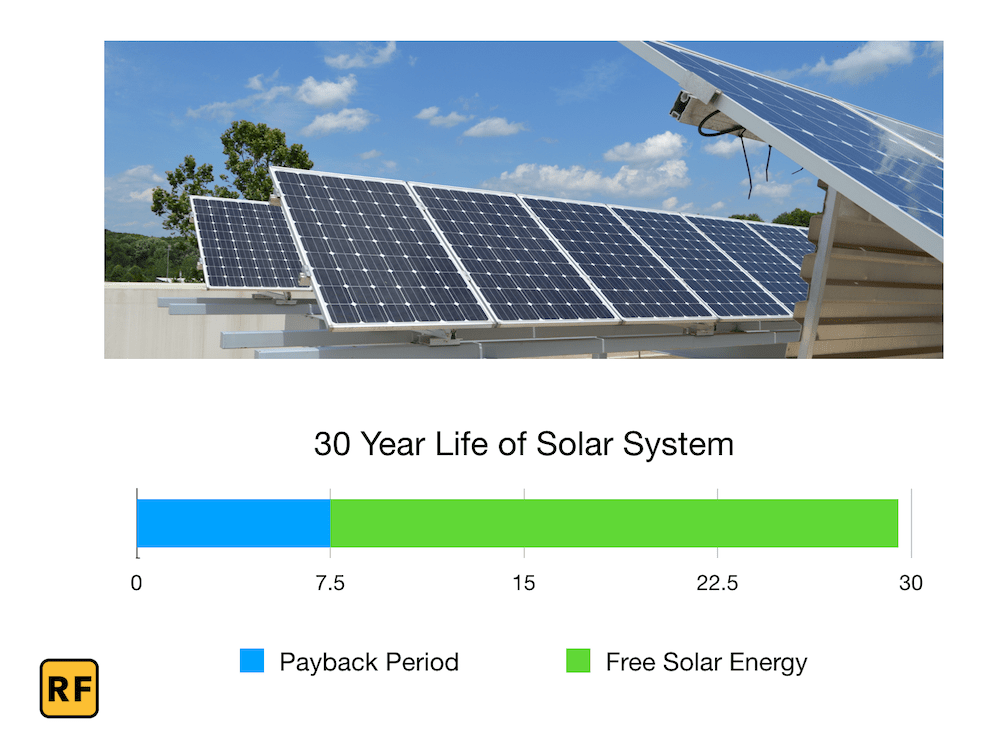
The actual payback period can vary quite a bit. Most homeowners see a payback period between 7 and 15 years. But with the right incentives and energy efficiency measures, you might be able to shave even more time off that.
And let's not forget the warm, fuzzy feeling of knowing you're helping the planet. Generating clean, renewable energy is a pretty awesome thing. You're basically a superhero, fighting climate change one solar panel at a time!
So, is figuring out the solar payback period entertaining? Well, maybe not as thrilling as a rollercoaster ride. But it's a rewarding puzzle to solve. And the prize? Years of free (or heavily discounted) electricity and the satisfaction of knowing you're doing your part for the environment. Seems like a win-win to me! Don't be left in the dark! Investigate if solar energy is right for your home and discover how you can reduce your reliance on traditional energy.
Ultimately, the decision to go solar is a personal one. But with a little research and some number crunching, you can figure out if it's the right move for you. And who knows? You might just discover that those solar panels are a much better investment than that new gadget you've been eyeing. Go green and save green, and maybe splurge on that gadget later anyway!