How Long For Gas To Evaporate
Ever caught that distinct, familiar whiff of gasoline? Maybe after filling up at the pump, or perhaps in the garage after coaxing the old lawnmower back to life? That smell, often associated with road trips, freedom, and weekend chores, is actually the scent of tiny, energetic molecules making their great escape. And it gets you thinking: how long does it actually take for spilled gas to just… vanish?
The answer, dear reader, might be a little more drawn out than you’d expect. Unlike a splash of water that seemingly disappears before your eyes on a hot sidewalk, gasoline has a surprising lingering quality. It’s not an instant disappearing act, but more like a slow, molecular waltz into the atmosphere.
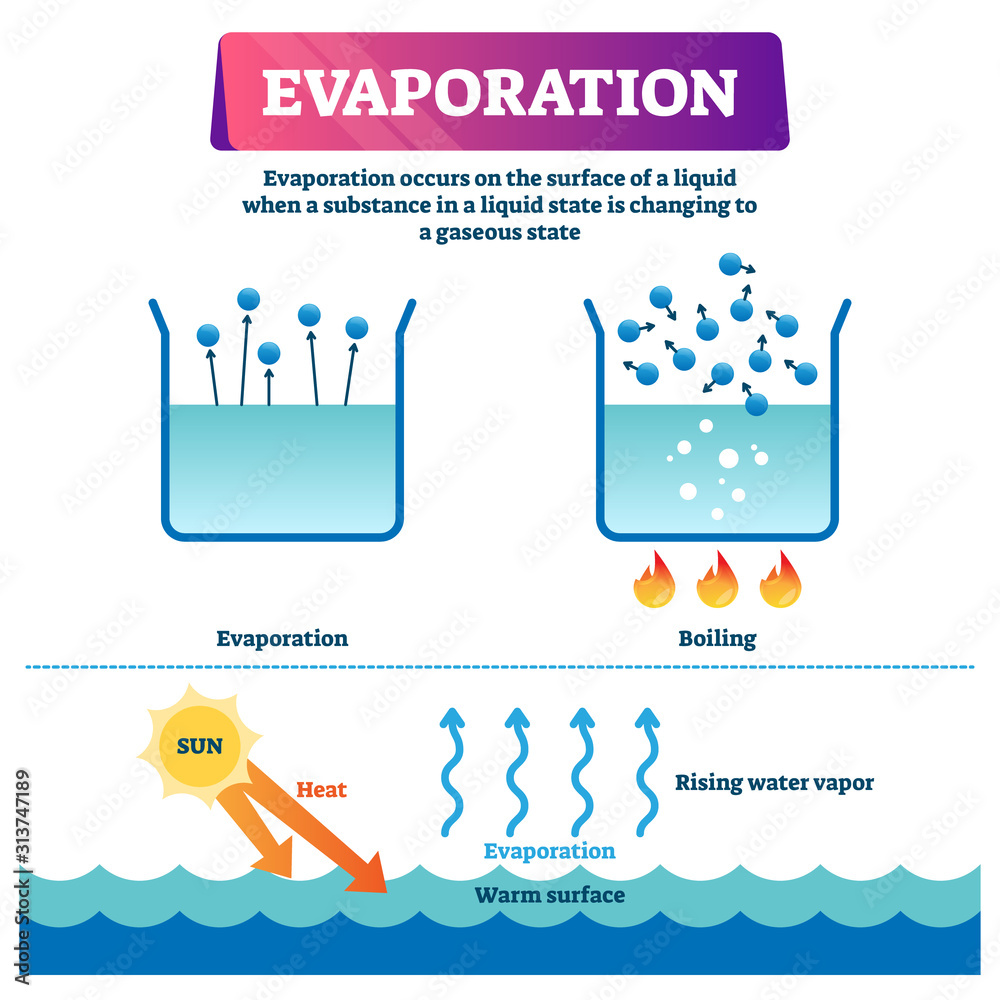
Imagine a tiny puddle of gas. You might think, "Poof! Gone in a jiffy!" But that’s not quite the case. We’re talking about an evaporation process, where liquid turns into vapor. And several things play a starring role in this microscopic drama.
Must Read
The Great Escape Artists: What Speeds Things Up (or Slows Them Down)
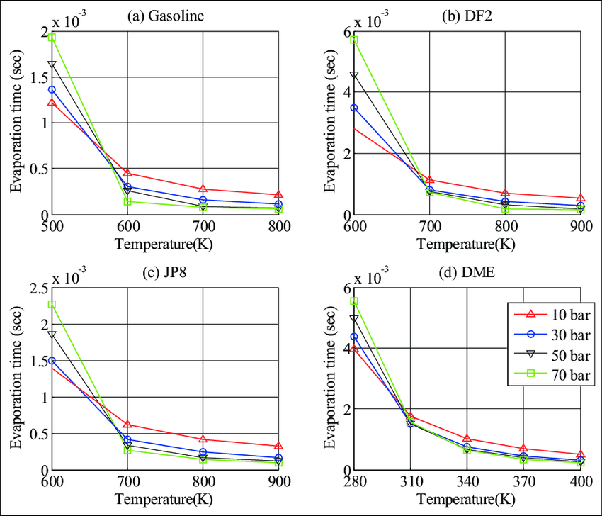
First up, let’s talk about temperature. Think of it like a dance floor. On a scorching hot summer day, those gas molecules are practically breakdancing, zipping around with tons of energy. This means they’re much more likely to leap into the air and become vapor. On a chilly winter morning, however, they’re more like slow-mo waltzers, clinging together, taking their sweet time to evaporate. So, a spill in July might be gone in an hour or two, while the same spill in January could hang around, patiently waiting for warmer weather, for several hours, or even longer if it’s truly frigid.
Then there’s airflow – basically, how windy it is. Imagine drying your laundry. On a breezy day, those shirts are flapping and dry in a flash. In a stuffy, still room, they take ages. The same goes for gas. A fresh gust of wind acts like a friendly usher, sweeping away the newly evaporated gas molecules and making room for more liquid to turn into vapor. This is why a spill outdoors often vanishes quicker than one trapped in a quiet corner of your garage.

And don't forget the surface area. A wide, thin puddle of gas will evaporate much faster than a deep, concentrated one. Why? Because more of those energetic molecules are exposed to the air, ready to make their leap. It's like having a hundred eager sprinters lined up at the start versus just a few. More exposed surface means more molecules can escape simultaneously.
Finally, there’s the gas itself. Not all gasoline is created equal. It’s a mix of different types of hydrocarbons. Some of these are "lighter" and evaporate quicker, while others are "heavier" and stick around longer. This is why even after the strongest smell seems to dissipate, a faint residue might linger, especially on porous surfaces like concrete. It's the heavier fractions of the fuel, taking their sweet, sweet time.

The Lingering Scent of Adventure (and Caution)
So, that persistent smell in your garage? It’s not just your imagination. It’s the slow, steady work of evaporation. A small splash on pavement might disappear visually in minutes on a hot, windy day, but the vapor (and its associated smell) can linger in still air for hours, or even days if it's trapped indoors without good ventilation. This is particularly important to remember for safety – those vapors are flammable, even if the liquid is gone.
“The gas doesn’t just vanish; it embarks on a molecular journey, one tiny molecule at a time, into the great wide open.”
The next time you catch that distinctive aroma, whether it’s from filling up your car for a summer road trip or just after mowing the lawn, take a moment to appreciate the unseen forces at play. It’s a subtle reminder that even the most fleeting moments in life (like a gas spill) are part of a surprisingly intricate, invisible dance. It’s not just a mess; it’s a tiny, chemical drama unfolding right before your very nose, transforming from liquid energy into an invisible cloud that carries the scent of journeys, projects, and the everyday adventures we all embark on.