How Long Does Refrigerator Last Without Power

Okay, picture this: it's a sweltering summer day. You've just spent the afternoon making the most glorious potato salad, ready to wow everyone at the neighborhood barbecue. You pop it in the fridge, feeling smugly organized… and then BAM! Power outage. Total darkness. Cue the slow-motion horror movie sequence as you realize...the potato salad. Is it doomed?
That little drama, folks (which, let's be honest, has probably happened to more than a few of us!), got me thinking: just how long does a refrigerator actually last without power? It's a question that's probably crossed everyone's mind during a storm or any unexpected outage. So, let's dive into the cold, hard facts (pun intended!).
Factors Affecting Refrigerator Longevity
Alright, before we get to the numbers, it's crucial to understand that several factors influence how long your fridge can keep things cool when the juice is cut off. It's not a one-size-fits-all answer, unfortunately. (Wouldn't that be nice, though?)
Must Read
- How Full Is It? This is a big one. A fully packed fridge is like a well-insulated cooler. All that food helps maintain a stable temperature for longer. An empty fridge? Well, it's going to warm up much faster. Think of it like a crowded subway car on a cold day – everyone keeps each other warmer!
- How Often Do You Open It? This seems obvious, but resist the urge to peek! Every time you open that door, you're letting cold air escape and warm air rush in. Consider your fridge a fortress of chill. Keep the gates closed!
- The Type of Refrigerator: Some fridges are just better insulated than others. Newer models often have better insulation than older ones (thanks, technology!). And freezers that are separate from the refrigerator tend to hold their temperature longer.
- Ambient Temperature: Is it 70 degrees in your house, or are you sweating it out in 90-degree heat? Obviously, the hotter your house is, the faster your fridge will warm up.
The General Timeframe
Okay, so with all those caveats in mind, let's get to the nitty-gritty. Generally speaking, a fully stocked refrigerator can keep food safely cold for about four hours without power. A full freezer, on the other hand, can maintain its temperature for around 48 hours. If your freezer is only half-full, that time drops to about 24 hours.
Those are just general guidelines, of course. It really depends on those factors we talked about earlier. But, as a rule of thumb, those numbers are a good starting point. (Hey, at least now you have some idea!)
What To Do During a Power Outage
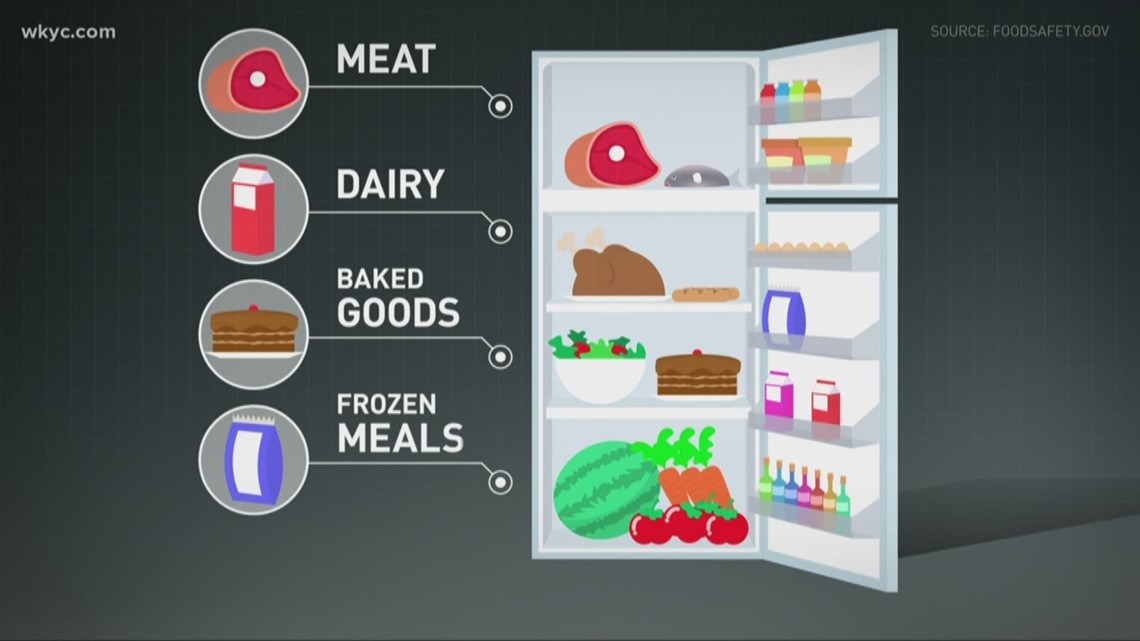
Knowing how long your fridge can last is one thing, but knowing what to do during an outage is even more important. Here are a few quick tips to keep your food (and your sanity!) intact:
- Keep the doors closed! Seriously, resist the urge to check every five minutes. Pretend it's a forbidden room.
- Monitor the temperature: If you have a refrigerator thermometer, use it! Knowing the internal temperature will help you determine if your food is still safe. 40°F (4°C) is generally considered the safe upper limit for refrigerator temperatures.
- Group food together: This helps maintain a more stable temperature inside. It’s like a food huddle!
- Consider dry ice or ice packs: If you know the power is going to be out for a while, adding dry ice or ice packs can help extend the cooling time. Important: Always handle dry ice with gloves! That stuff is COLD.
- When in doubt, throw it out: This is the golden rule. If you're unsure about the safety of any food, err on the side of caution and toss it. Food poisoning is not a fun souvenir from a power outage.
The Potato Salad Verdict
So, what about my potato salad? Well, thankfully, the power came back on after about two hours. Crisis averted! But it was a good reminder that even a short outage can be a food safety hazard.

The best thing to do is be prepared. Having a plan in place, knowing how long your fridge can last, and taking steps to protect your food will help you weather any power outage with your potato salad (and everything else!) intact.
Stay cool (literally!), and remember: a little knowledge goes a long way in the face of fridge-related emergencies. Now go forth and conquer those summer barbecues!