
How Long Does Raw Meat Last In The Refrigerator
Hey there, fellow food adventurers! Ever stared into your fridge, a package of raw chicken lurking in the back, and thought, "Hmm, is this still safe to cook?" We've all been there! Let's dive into the fascinating world of raw meat and its fridge-life, shall we? It's more interesting than you think, I promise!
The Clock is Ticking: Understanding Spoilage
First things first, why does meat even go bad? Well, it’s all about the tiny party happening on your steak – a microscopic rave hosted by bacteria! These little guys love raw meat, and as they feast, they produce byproducts that cause spoilage. Think of it like this: it's the bacterial version of leaving dirty socks on the floor – not pretty, and definitely stinky.
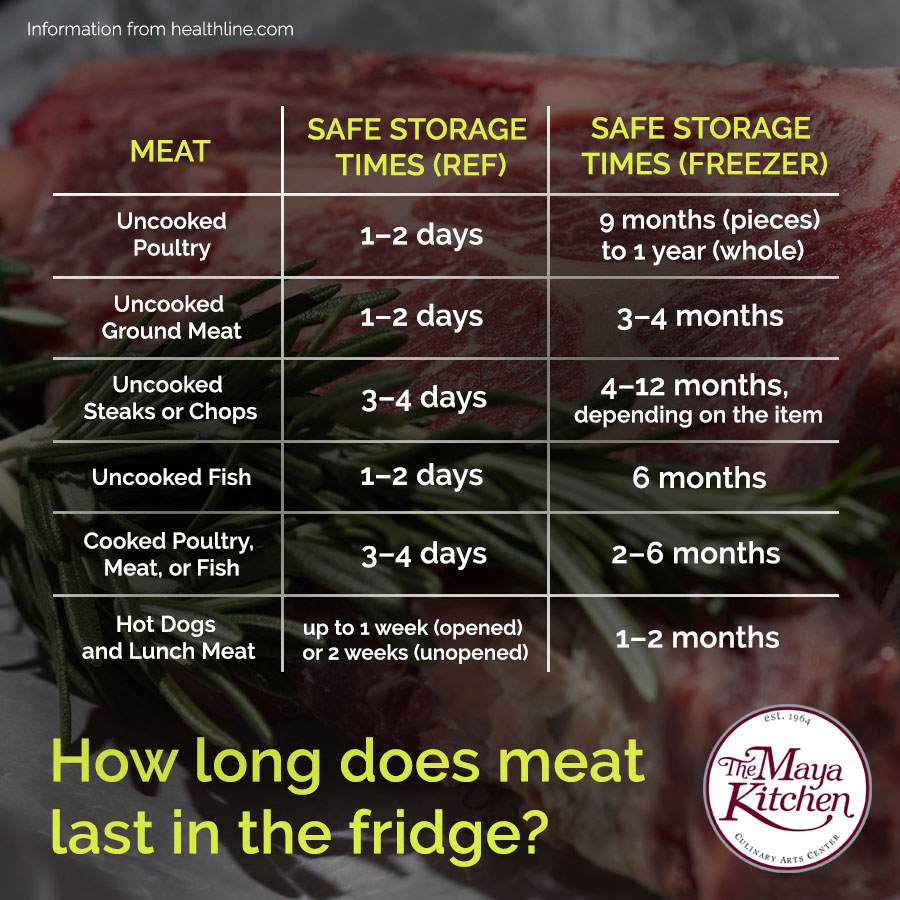
So, how long can you safely let this party rage on in your refrigerator? Generally speaking, raw poultry (chicken, turkey, duck) should only hang out in the fridge for 1-2 days. That's a pretty tight window, right? It's like a flash sale on freshness!
Must Read
Red meats (beef, pork, lamb, veal) have a slightly longer lifespan, usually around 3-5 days. Think of it as a mini-vacation compared to the poultry’s weekend getaway. Why the difference? It's all about the density and structure of the meat, which affects how quickly bacteria can penetrate and multiply.
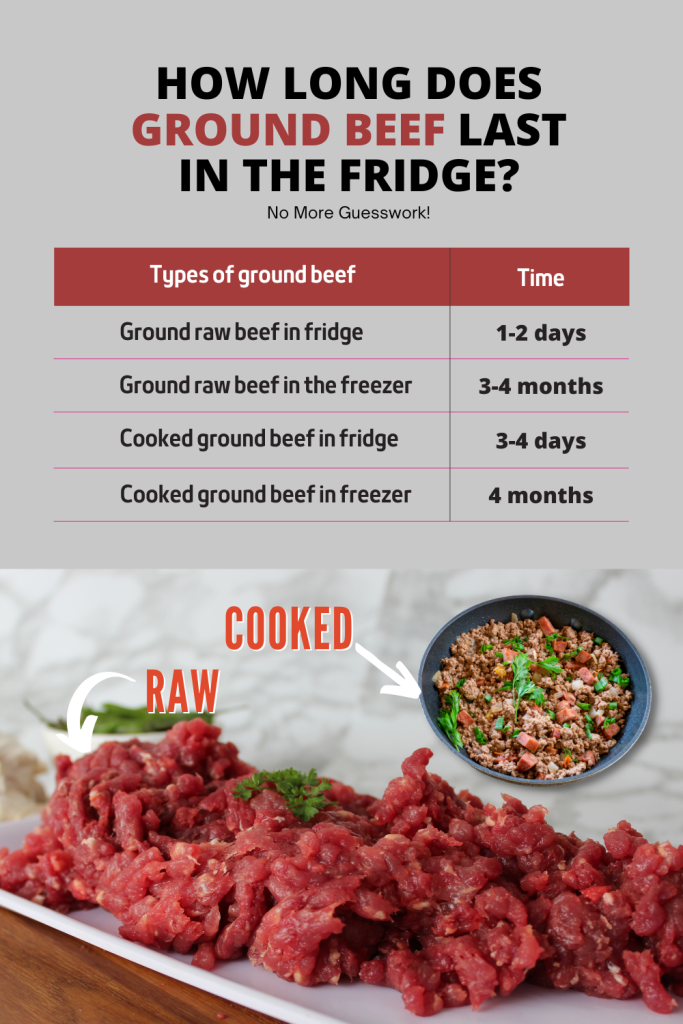
Ground meat, whether it's beef, chicken, or pork, is a whole different ballgame. Because it's been processed, it has more surface area exposed to bacteria. Therefore, ground meat should be cooked or frozen within 1-2 days. Treat it like a precious gem – handle with care and don’t delay!

Decoding the Dates: Sell-By, Use-By, and All That Jazz
Those dates printed on your meat packaging can be confusing, can't they? What do they even mean?
The "Sell-By" date is more for the store than for you. It indicates the last day the store should display the product for sale. You can usually still safely consume the meat after this date, if it has been stored properly. Think of it as the store politely asking you to give someone else a chance to buy it first.
The "Use-By" date is more about quality than safety. It indicates the date by which the product will be at its peak quality. After this date, the quality might decline, but it doesn't necessarily mean the meat is unsafe to eat. But who wants sub-par steak, right?
The "Best If Used By" date is similar to the "Use-By" date – it's all about quality, not safety. Ignore it if you're worried about food poisoning. It's like a movie critic's opinion – interesting, but ultimately your call.
Sniff Test 101: Your Nose Knows!
Dates are helpful, but your senses are your best allies in the quest for food safety! Does the meat smell off? Trust your nose! A sour or ammonia-like smell is a major red flag. It’s the bacteria sending you a strongly worded letter saying, "We've taken over!"
What about the color? Raw meat can change color slightly depending on how it's been stored, but if it's slimy to the touch, that's another sign it's past its prime. Sliminess is like the bacterial equivalent of putting up a "Do Not Disturb" sign.
Pro Tip: The Power of Freezing!
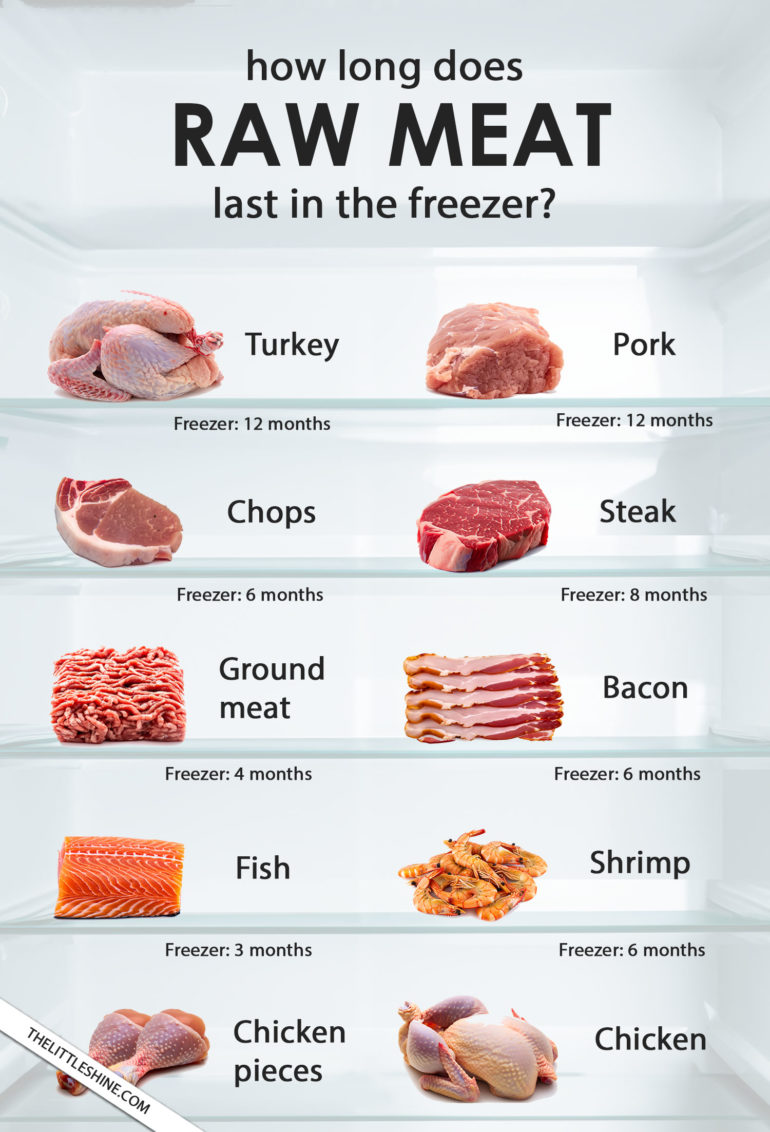
If you're not planning to cook your meat within the recommended timeframe, freezing is your best friend! Freezing essentially puts the bacterial party on pause, allowing you to safely store meat for much longer. Just remember to wrap it tightly to prevent freezer burn. Freezer burn is like the meat equivalent of sunburn – not harmful, but definitely not enjoyable.
Safety First: Cooking Matters!
Even if your meat seems perfectly fine, it's crucial to cook it to the proper internal temperature to kill any lingering bacteria. Invest in a good meat thermometer – it’s like having a tiny food safety superhero in your kitchen! Always check the FDA guidelines for the safe cooking temperatures for various meats. Don't just guess!

In a Nutshell...
Knowing how long raw meat lasts in the fridge is a crucial part of food safety. It's not just about avoiding a tummy ache; it's about protecting your health and preventing foodborne illness. So, pay attention to those dates, trust your senses, and when in doubt, throw it out! Better safe than sorry, right?
So, next time you're staring into your fridge, armed with this knowledge, you'll be a confident and informed food adventurer. Happy cooking!
Disclaimer: This information is for general guidance only and should not be considered a substitute for professional food safety advice. Always consult with reliable sources for specific instructions and guidelines.