
How Long Does Power Outage Last

Ah, the sudden silence. The flickering lights, then darkness. The dreaded power outage. It's a universal experience, a collective groan heard around the world as we all reach for our phones (and then remember they won't charge). One of the first thoughts that pops into our heads, right after "Did I save that document?", is usually, "How long is this going to last?"
Let's be real: no one loves a blackout. But understanding the typical lifespan of these unexpected pauses can turn anxiety into a more relaxed, "Guess I'll finally read that book" vibe. So, grab a flashlight (or your phone, with battery to spare!), and let's shed some light on this dark topic.
The Short Answer (and Why It's Often Good News!)
Good news first: for most of us, most of the time, power outages are a fleeting moment. A quick blip. A momentary hiccup. Think of it as your electrical grid taking a really, really short nap. Many outages are brief, lasting mere minutes or an hour or two. The grid is incredibly resilient and designed to recover quickly from minor disturbances.
Must Read
What Dictates the Darkness? Unpacking the Factors
The duration of a power outage is a bit like predicting the weather – it depends on a few key ingredients. Understanding these can give you a better idea of what to expect:
The Culprit: What Caused It?
This is often the biggest factor. Was it a playful squirrel accidentally shorting a transformer? (Yes, it happens more than you think!) Or was it a massive ice storm turning power lines into frozen spaghetti? The cause dictates the complexity of the fix.
- Small, Localized Issues: A tree branch falling, a car hitting a pole, a faulty transformer in your immediate neighborhood. These are usually quick fixes, often resolved within a few hours.
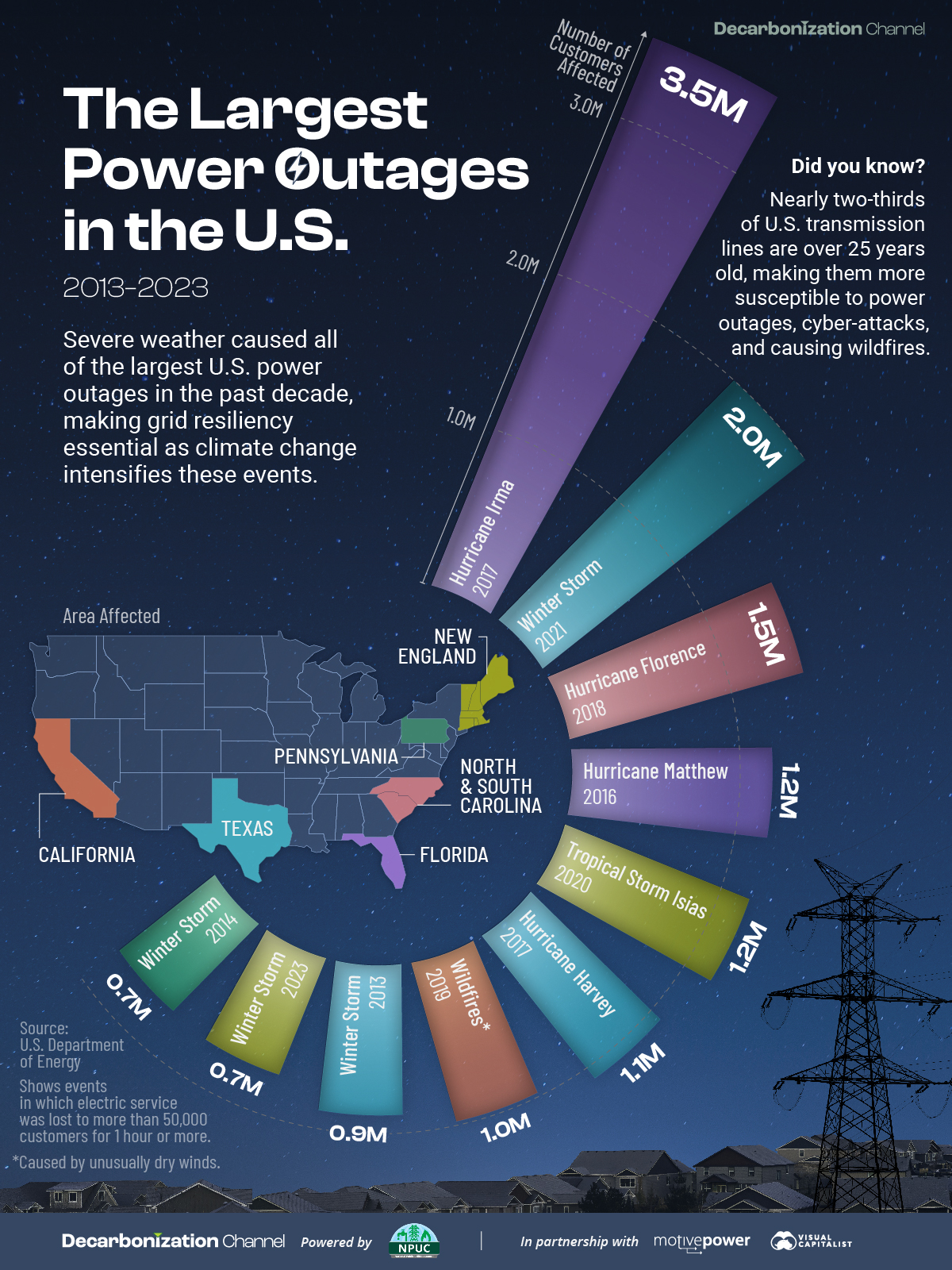
- Widespread Weather Events: Hurricanes, blizzards, major thunderstorms, or heatwaves straining the grid. These can lead to extensive damage and require more time, sometimes days, to repair across a broad area.
- Planned Outages: Sometimes the utility company needs to perform maintenance or upgrades. They usually give you a heads-up, and these are carefully scheduled and typically last a set number of hours.
The Scope: How Big Is It?
Is it just your street? Your neighborhood? Or an entire city block? The larger the affected area, generally the longer it takes to restore power. Utility crews prioritize repairs based on public safety and the number of customers affected.
The Fix: How Complex Is the Repair?
Swapping out a fuse is a lot quicker than rebuilding several miles of power lines that have snapped under the weight of ice. Easy repairs mean faster restoration, while significant infrastructure damage can mean more extensive work, requiring specialized equipment and larger crews.

Typical Timelines: A Quick Glance
While every outage is unique, here’s a general guide:
- Minutes to 4 Hours: This is the most common scenario. Think minor equipment faults, small tree branches, or temporary overloads. You might not even have time to finish that board game!
- 4 Hours to 24 Hours: Often the result of moderate storms, localized equipment failure that needs a bit more work, or a more widespread but manageable issue. This is when your fridge starts to get nervous.
- 1 Day to Several Days (or even longer): Reserved for severe natural disasters like major hurricanes, widespread blizzards, or significant infrastructure damage. These are thankfully less frequent but require immense effort from utility crews to restore power to thousands or even millions of homes. Think of the Herculean efforts after a big storm – those crews are truly unsung heroes!
What To Do While You Wait: Embracing the Pause
Whether it’s a quick flicker or a longer lights-out party, here are some smart moves:
- Stay Informed: Check your utility company's website or app. They often have real-time outage maps and estimated restoration times. Some even let you report outages via text!
- Unplug & Protect: Disconnect sensitive electronics (computers, TVs) to protect them from potential power surges when the lights come back on.
- Chill Out (Literally): Keep your refrigerator and freezer doors closed. An unopened fridge can keep food cold for about 4 hours, and a full freezer for about 48 hours. If it's going to be longer, consider a cooler with ice.
- Power Up Your Power Banks: Make sure your power banks are always charged. They're lifesavers for keeping phones alive. For longer outages, a portable generator can be a game-changer for critical appliances.
- Embrace the Quiet: Remember a time before endless screens? Dig out those board games, read a physical book, or simply enjoy a conversation by candlelight. It's like an unexpected, forced digital detox!
A Little Reflection on the Lights
In our hyper-connected world, a power outage can feel like a major disruption. But perhaps it's also a gentle reminder of how much we rely on the grid, and how incredible it is when the power does work. It's a chance to slow down, appreciate the simple things, and maybe even look up at the stars without all that light pollution. So, the next time the lights go out, take a deep breath, grab your flashlight, and know that for most of us, the darkness is just a temporary visitor, bringing with it a unique kind of quiet magic.