
How Long Does Power Cut Last
Imagine this: one moment, everything is humming along. Lights on, TV buzzing, phone charging. The next? Whoosh. Silence. Darkness. Your home plunges into an unexpected quiet. That’s a power cut, or a blackout, and it happens to us all. It’s a truly universal experience, whether you're in a bustling city or a quiet countryside.
The very first question on almost everyone's mind is always the same: "How long will this last?" It’s a moment of slight disorientation, a temporary halt to our modern, electricity-dependent lives. But what determines how long that silence lingers?
Why Do Power Cuts Happen?
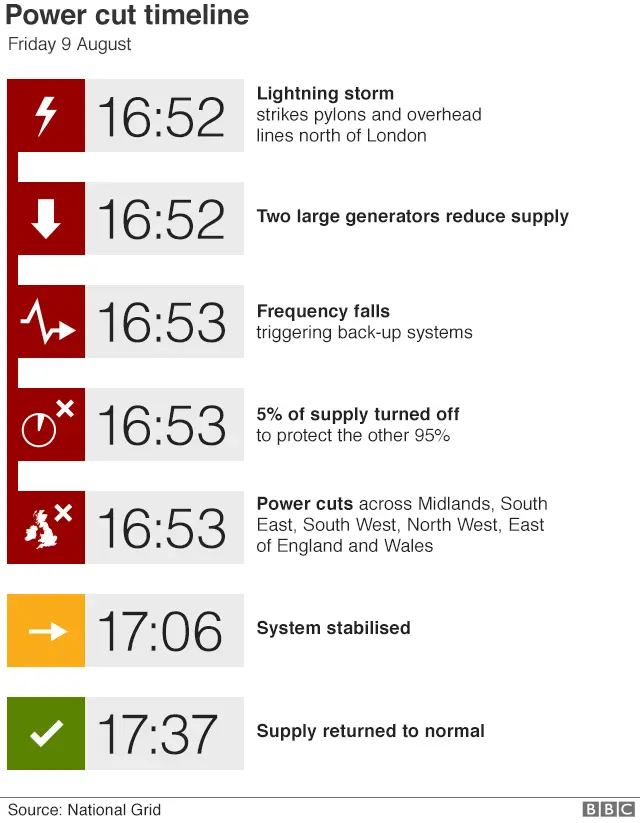
Power cuts don't just happen for no reason. There are usually a few common culprits. Sometimes, Mother Nature decides to throw a party – a big one! We're talking about severe weather like heavy snowstorms, strong winds that snap tree branches, or even lightning strikes. These natural events can damage power lines and equipment, leaving large areas without electricity.
Must Read
Then there are the technical issues. Equipment can fail, like a transformer giving up the ghost. Sometimes, a curious critter, perhaps a squirrel or a bird, might get into a substation and cause a brief circuit. These usually lead to shorter outages, as they are often quicker to fix. And occasionally, power companies need to perform planned maintenance or upgrades. They usually let you know about these in advance, giving you time to prepare.
How Long Will the Lights Be Off?
Now for the big question! The truth is, there's no single answer. Most power cuts are actually quite short. Many last only a few minutes, or maybe an hour or two. These are often caused by minor issues or automatic safety systems that quickly reset. Think of it like a fuse blowing in your house – sometimes it just needs a quick flip of a switch at a substation to get things running again.

However, some can last much longer. If there's major damage from a severe storm, or a complex equipment failure, you could be looking at several hours, half a day, or even longer. These longer outages are less common, but they definitely test our patience and preparedness. Power crews work incredibly hard to restore electricity, often in challenging conditions, so patience is always a virtue.
What Should You Do?
First things first: safety. Never approach or touch fallen power lines. Assume they are live and dangerous. Keep your hands off them and report them immediately to your power company or emergency services. If you use a generator, make sure it’s outside and away from windows to prevent carbon monoxide poisoning.

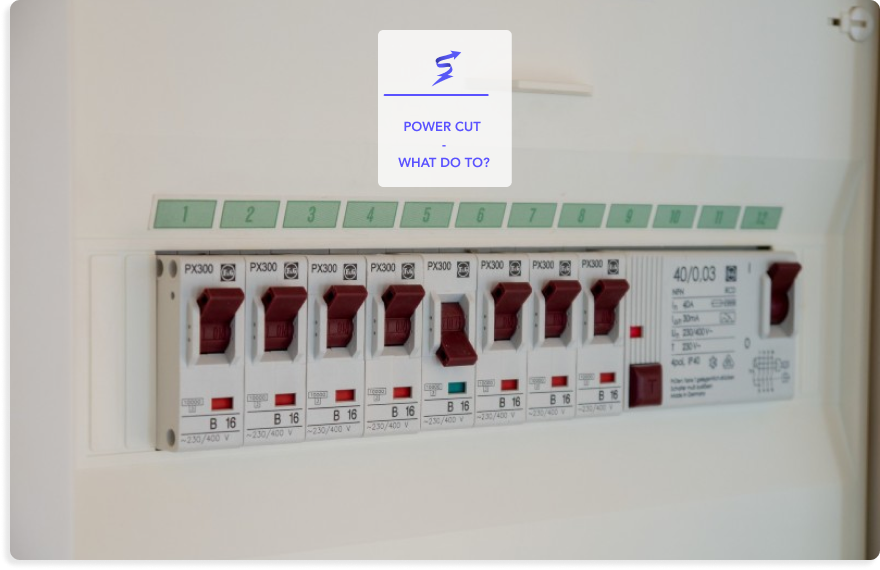
Next, check if your neighbors have power. If they do, the problem might be just within your home, perhaps a tripped circuit breaker. If not, it's a wider issue. Most power companies have websites or apps where you can report outages and check for updates. They often provide an estimated time of restoration, though these are, of course, estimates and can change.
It's always a good idea to have an emergency kit ready. Think flashlights (with fresh batteries!), a battery-powered radio, and maybe a power bank for your phone. Keep your fridge and freezer doors closed as much as possible to keep food cold for longer.
The Unexpected Charm of a Power Cut
While an outage is undeniably inconvenient, there’s a surprising charm to it once you get past the initial "oh no!" feeling. It’s a forced pause, a sudden break from our hyper-connected world. All the usual noise – the TV, the computer hum, the constant notifications – simply vanishes.
“It’s like the world hits a giant, unexpected 'reset' button.”
This quiet can be a little jarring at first, but then it opens up new possibilities. Suddenly, you might find yourself actually talking to the people you live with, face-to-face, without the distraction of screens. It’s a rare chance for a true digital detox. You could dust off those old board games, tell stories, or even read a physical book by the glow of a flashlight.

It’s a moment to reconnect with simpler pleasures. To appreciate the natural light streaming through windows, or the crackle of a warm fire (if you have one). Kids often find it a grand adventure, turning the house into a shadowy playground. For adults, it’s a moment to reflect, to slow down, and to truly be in the present.
And when the power finally flickers back on? Oh, the joy! That little click, the sudden illumination, the hum of appliances returning to life. It’s an instant reminder of just how much we rely on electricity for our comfort and convenience. That simple act of switching on a light never feels quite so magical as it does after a period of darkness.
So, the next time the lights go out, remember it’s not just an inconvenience. It’s an opportunity. An opportunity to unplug, to connect, and to perhaps even find a little bit of magic in the unexpected quiet. And rest assured, the power will eventually return, bringing with it a renewed appreciation for modern comforts.