
How Long Does Oil Take To Form
Ever fueled up your car, fired up the grill, or just cozied up next to a warm furnace and wondered, "Where does all this good stuff actually come from?" Most of the time, the answer is oil or natural gas. And while we pump it, burn it, and generally use it up at a fairly zippy pace, have you ever stopped to think about how long it took to make?
Grab a cuppa, because this story involves a lot of patience, a little bit of squishing, and a whole lot of time. We’re talking about timescales that make your grandma’s oldest family recipe look like a speedy microwave meal.
The "Ingredients" for Oil: Not Exactly a Trip to the Grocery Store
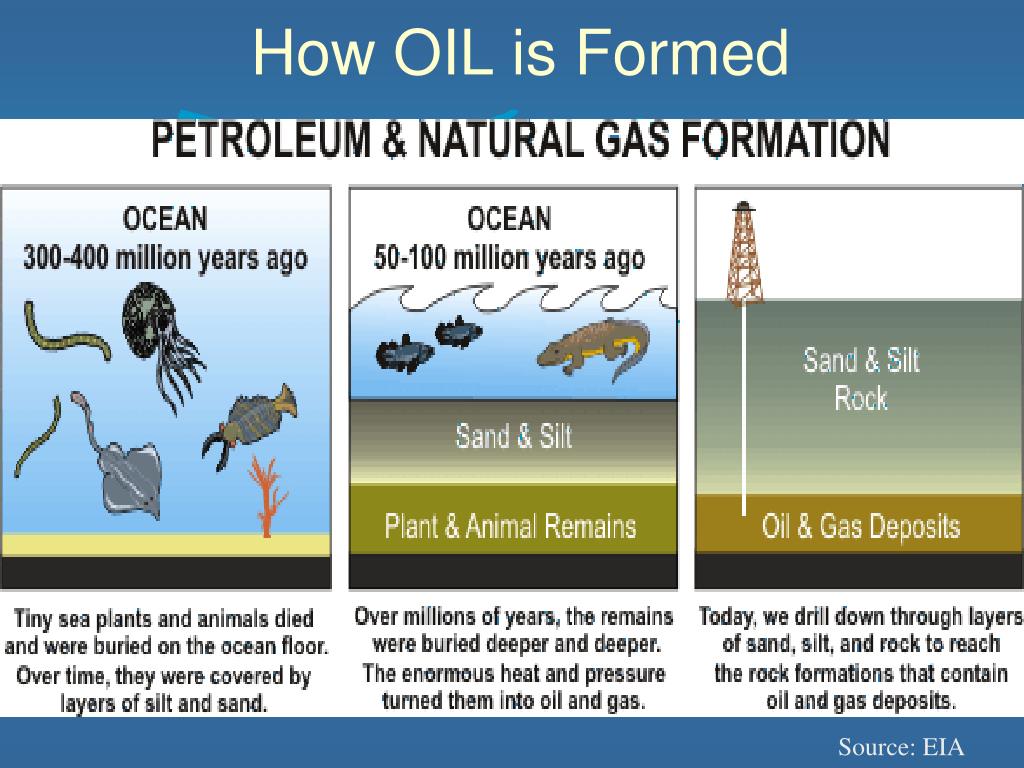
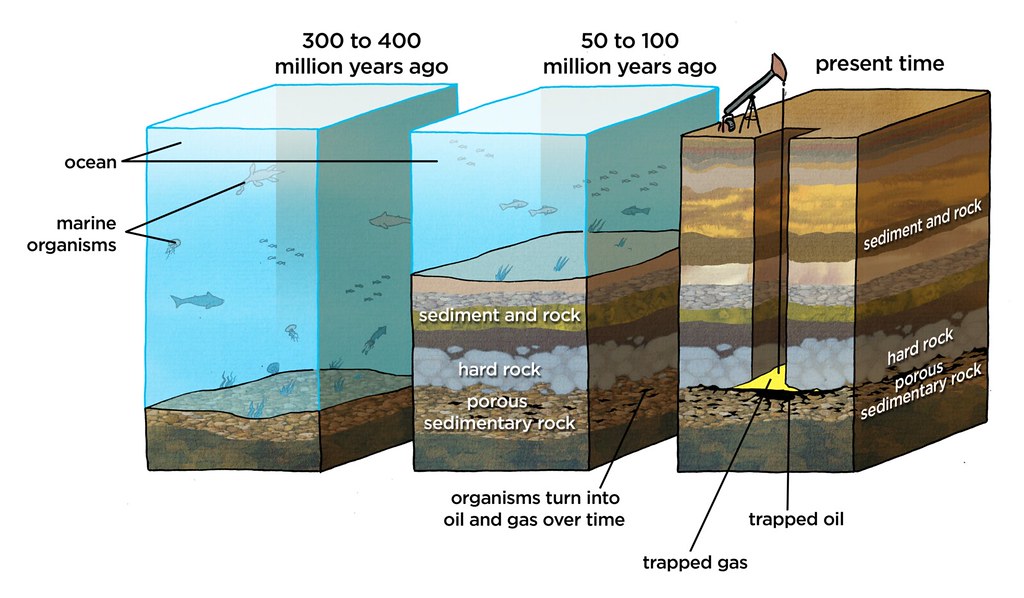
First things first, what even is crude oil? It’s not just black goo that magically appeared. Our story begins way, way back, in ancient oceans. We're talking millions upon millions of years ago, long before your great-great-grandparents were even a twinkle in anyone's eye. Or even before dinosaurs ruled the Earth, in some cases!
Must Read
The main 'ingredients' for oil are tiny, often microscopic, marine organisms. Think of all the plankton, algae, and other wee creatures that float around in the sea. When these little guys lived their lives and eventually kicked the bucket (a tiny, plankton-sized bucket, mind you), they sank to the bottom of the ocean. Kind of like dust motes settling on your furniture, but way more significant.
Over eons, layers and layers of these dead organisms piled up. It was like a giant, organic compost heap at the bottom of the sea. Imagine all the leaves you've ever raked in your life, but multiplied by a trillion, and then stacked under water for geological ages. That's a lot of organic material!
The Slow Cooker of the Earth: Pressure, Heat, and a Whole Lotta Waiting
Now, this is where the magic (and the immense timeline) really kicks in. Once these layers of organic matter settled, they started getting buried. We're not talking about a quick shovel-full of dirt; we're talking about sediments – sand, silt, mud – washing in and piling up on top of them, year after year, century after century, millennium after millennium. It’s like building a sandcastle so big it reaches the sky, and then the sky starts falling on it.
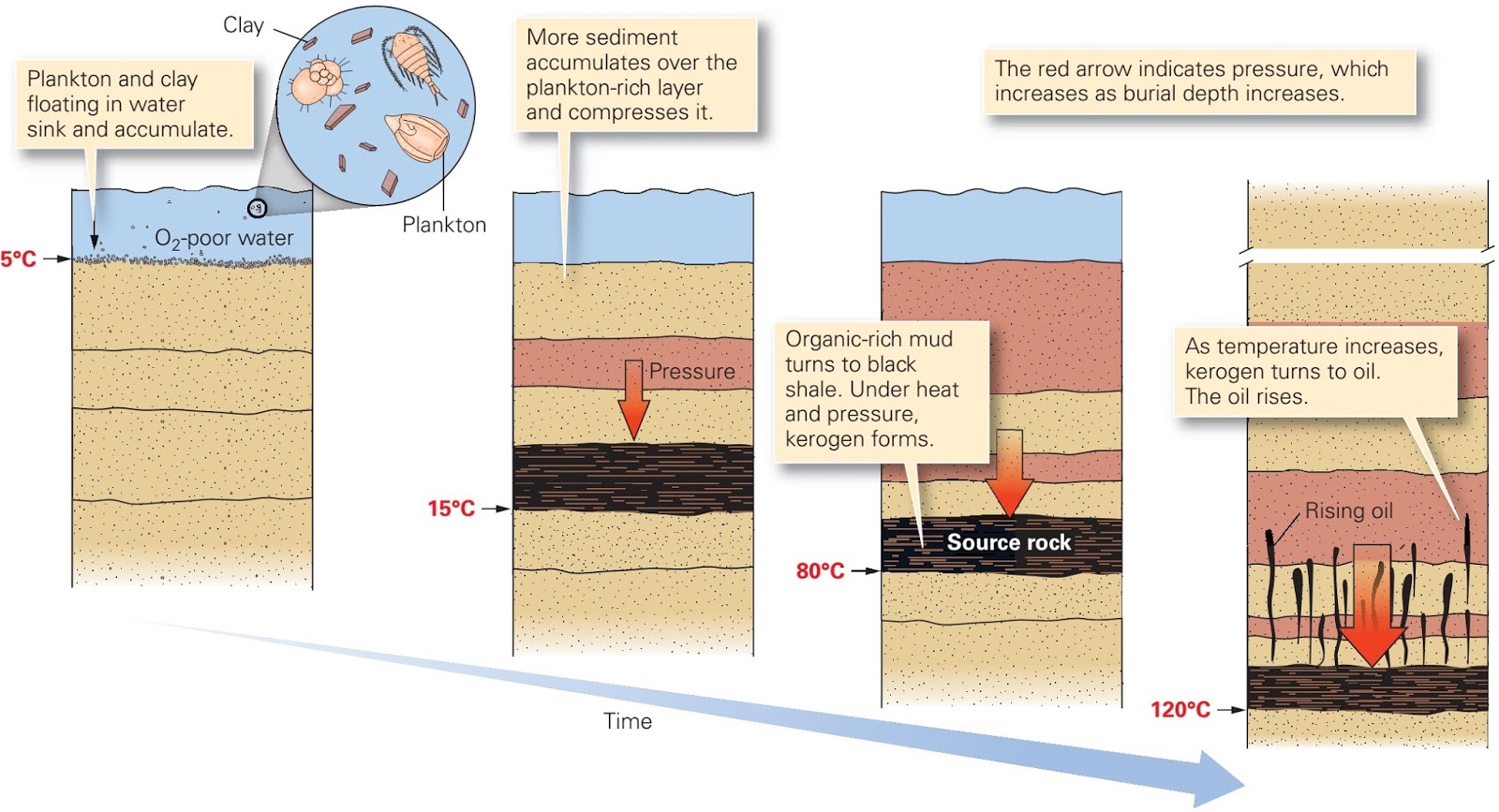
As more and more sediment piled up, two things started to happen:
1. Pressure: Think about what happens if you put a marshmallow under a really heavy book. It gets squished, right? Now imagine that book is an entire mountain range, and the marshmallow is a mile-thick layer of squishy organic gunk. The pressure from all those overlying layers of rock and sediment is immense. It squeezes out the water and compacts everything tightly.
2. Heat: As these buried layers sink deeper and deeper into the Earth's crust, they get hotter. The Earth has a natural geothermal gradient, meaning it gets warmer the deeper you go. It's not like sticking it in a fiery oven, but more like a very, very slow-cooker set to a gentle simmer for millions of years. This slow, steady heat, combined with the immense pressure, starts to chemically transform that organic muck.
This transformation is called catagenesis (fancy word, simple idea: turning gunk into golden energy). It's a bit like baking a cake. You need the right ingredients, the right temperature, and the right amount of time. If you pull it out too early, it's just batter. Too hot, it burns. Just right, and you get a delicious treat. In this case, the 'treat' is crude oil and natural gas.
The Big Answer: Millions of Years. No, Really.
So, how long does all this take? The short, jaw-dropping answer is: millions of years. And when we say millions, we're not talking a few. We're generally talking about processes that began anywhere from 2 million to 350 million years ago. Let that sink in for a moment.
To put that into perspective, imagine your family tree. Go back through your parents, grandparents, great-grandparents... maybe you can trace it back a few hundred years, a dozen generations or so. Now, take that, and multiply it by a thousand, then by a thousand again, and then by a hundred! That's the kind of time we're talking about.
When the oil that's fueling your car today started its journey, dinosaurs were still roaming around, probably complaining about bad parking and the price of pterodactyl feed. Or, more accurately, many of the deposits we use today were formed after the dinosaurs went extinct, but still millions and millions of years ago, when mammals were just starting to get their big break.
Human history, with all its pyramids, empires, and TikTok dances, is but a fleeting blink in the eye of oil formation. We've been around for what feels like five minutes compared to the time it takes for nature to brew up a batch of crude.
Why Should We Care About This Ancient Brew?
Okay, so it takes forever. Who cares, right? Well, understanding this incredibly slow process is actually a pretty big deal. Here's why:
1. It's Not Renewable (on our timeline): If you bake a cake, you can usually whip up another one pretty quickly. The Earth, however, isn't making new oil fast enough to keep up with our consumption. We're using up millions of years' worth of stored energy in just a few human generations. It's like having a savings account that took centuries to fill, but you're blowing through it on daily lattes.
2. A Finite Resource: Because it takes so long to form, oil is considered a finite resource. There's a limited amount of it buried deep beneath the Earth's surface. We're essentially mining ancient sunshine and life, and once it's gone, it's gone.
3. It Makes Us Think: Knowing this helps us appreciate the energy we use. It encourages us to think about where our power comes from and consider other sources that are renewable on a human timescale, like solar, wind, or geothermal. It’s like knowing your favorite bakery only bakes one cake a year, but you eat one every day. Kinda makes you think about dessert options, right?
So, the next time you're filling up your tank or turning on the heat, take a moment to marvel. You're tapping into a liquid legacy that began before mountains were mountains, when tiny creatures swam in primeval seas, and the Earth itself was just slowly, patiently, brewing up the energy we rely on today. Pretty wild, isn't it?