How Long Does It Take To Switch Energy Supplier
Okay, picture this: I'm finally making the plunge, switching energy suppliers. I've found a sweet deal, a tariff that doesn't make my eyes water every time I glance at the bill. I'm practically skipping to the computer, ready to hit that "switch" button and bask in the glow of affordable electricity. I click... and then I wait. And wait. And wait. Suddenly, I'm questioning everything. Am I stuck in some kind of energy supplier limbo? Will I ever escape the clutches of my current, overpriced provider? You know that feeling, right?
So, how long does it actually take to switch energy suppliers? Let's dive in!
The Short Answer (and Why It's Usually True)
The standard switching time is about 2 to 3 weeks. Yep, that's the magic number you'll usually hear. That's because of rules set by Ofgem, the energy regulator, which want to make the process as smooth as possible and protect consumers. They have to make sure your readings are accurate, payments are sorted, and no one is trying anything fishy (trust me, it’s good to be regulated when big companies are involved).
Must Read
That said, before you get too comfy waiting for the switch to happen, there are a few nuances to unpack.
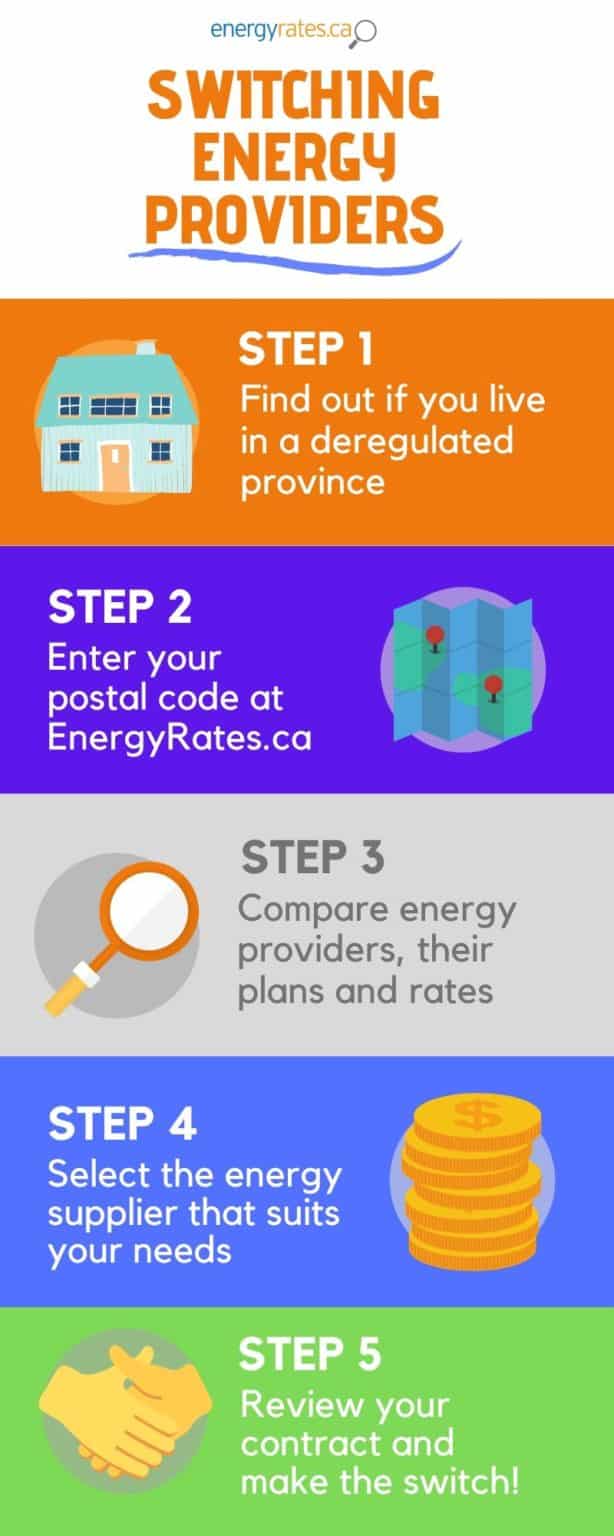
The Switching Process: A Step-by-Step Breakdown
Here’s what happens behind the scenes:

- Application: You apply to switch to a new supplier. This usually happens online and takes, like, 5 minutes.
- Verification: The new supplier contacts your current supplier to verify your details and meter readings. This can take a few days. They're basically double-checking you're not secretly an energy-guzzling robot in disguise.
- Cooling-Off Period: You have a 14-day cooling-off period to change your mind. It’s kind of like online shopping, but for…power. This is your "oops, I regret everything" window. Use it wisely!
- Switch Date Confirmation: After the cooling-off period, your new supplier will confirm your switch date. This is the day you officially become a customer.
- Final Meter Reading: You'll need to provide a final meter reading to your old supplier on the switch date. This ensures accurate billing and prevents any future billing nightmares. Set an alarm, write it on your hand, do whatever it takes to remember!
Potential Speed Bumps: What Can Delay the Switch?
Unfortunately, sometimes things don't go exactly according to plan. Here are a few common culprits that can slow down the process:
- Incorrect Information: If you provide incorrect details (like your address or meter number), it can delay the verification process. Double-check everything!
- Objections from Your Current Supplier: In rare cases, your current supplier might object to the switch (usually if you have outstanding debt).
- Complex Meter Issues: Smart meters that are playing hard to get, or meters that need upgrades before switching, can cause delays.
- Supplier System Issues: Sometimes, it's just plain old technical glitches on either the old or new supplier's end. Tech hiccups happen, right?
Tips for a Smooth Switch
Want to minimize the chances of delays? Here are a few tips:

- Provide Accurate Information: Double-check everything before submitting your application.
- Read Your Meter Regularly: Knowing your current meter reading helps ensure accurate billing and a smoother transition.
- Communicate with Your Suppliers: If you have any questions or concerns, don't hesitate to contact both your old and new suppliers.
- Keep Records: Keep copies of all correspondence and meter readings. Documentation is your friend!
So, Is It Worth It?
Even with the potential for minor delays, switching energy suppliers is almost always worth it if you can find a better deal. I mean, who doesn't love saving money? Just be patient, follow the steps, and you'll be basking in the glow of a cheaper energy bill in no time. And maybe, just maybe, you’ll learn a valuable lesson about patience in the digital age (I know I did!).
Happy switching!