
How Long Does It Take To Leave Earth's Atmosphere

Ever wondered how long it really takes to ditch this ol' Earth of ours and blast off into space? We're not talking about mythical space elevators here. We’re talking real rockets, fire, and the kind of G-force that makes your face do funny things.
Officially, the "edge" of space, also known as the Kármán Line, is about 100 kilometers (62 miles) up. That doesn't sound that far, does it? I mean, you could drive that in an hour, maybe two with traffic. But trust me, driving isn't exactly an option. Unless you've got a car that runs on pure awesome, and laughs in the face of gravity.
The Speedy Gonzales Approach
So, how fast can we make this happen? Well, a typical rocket needs to reach speeds exceeding 7 miles per second (that's over 25,000 miles per hour!) to achieve orbit. Think about that for a second. Your average family sedan maxes out around, what, 120 mph? We're talking serious warp speed here.
Must Read
That kind of speed isn’t just for show. It's the only way to overcome Earth's gravitational pull. If you don't go fast enough, you just come crashing back down. Think of it like throwing a ball – the harder you throw it, the farther it goes. Except in this case, "farther" means "into the endless void."
The Slow and Steady (and Explosive) Way
So, putting all this together, theoretically, a rocket could reach the Kármán Line in just a few minutes. Some suborbital flights, like those offered by Virgin Galactic, can achieve this in a matter of minutes. You get a brief period of weightlessness, a stunning view, and then… you come right back down. It’s the ultimate thrill ride.
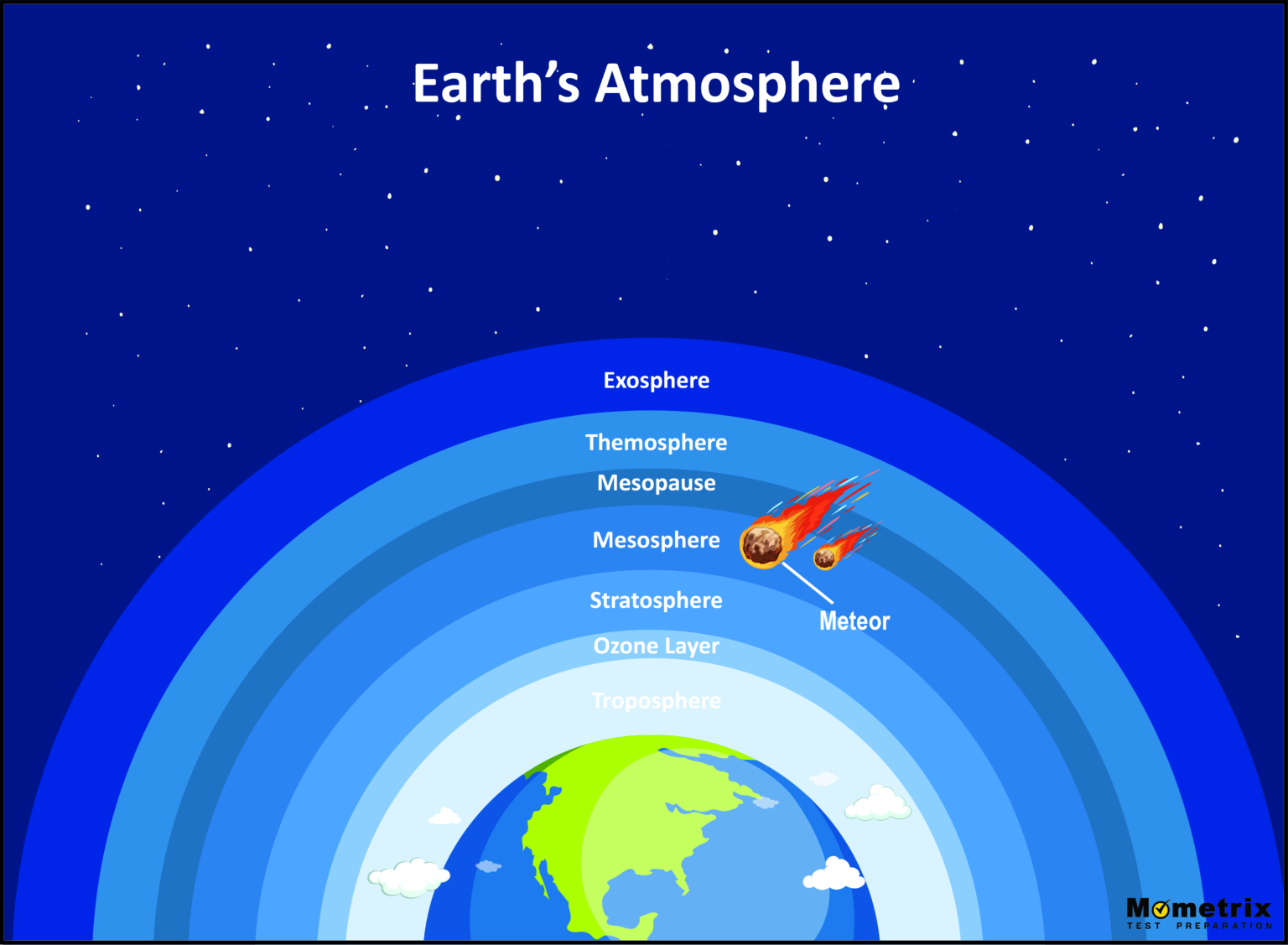
However, actually leaving Earth's atmosphere – and by that, I mean, staying gone – is a different ballgame altogether. Getting into a stable orbit requires even more speed, more fuel, and more time. You're not just punching through the atmosphere; you're dancing with gravity.
The Unpopular Opinion
Here's where my unpopular opinion comes in. I think we're focusing on the wrong question. We ask, "How long does it take to leave Earth's atmosphere?" But maybe we should be asking, "How long does it take to be comfortable leaving Earth's atmosphere?"

Think about it. A few minutes of weightlessness is cool and all, but what about setting up a colony on Mars? Building a space station? Actually living amongst the stars? That's where the real challenge lies. It's not just about speed; it's about sustainability, about creating a home away from home.
The Comfort Factor
So, while a rocket can technically "leave" the atmosphere in minutes, truly leaving – establishing a permanent presence beyond our planet – is a project that could take decades, even centuries. It's not just about the technology; it's about the will, the resources, and the sheer human grit needed to survive in the vast emptiness of space.
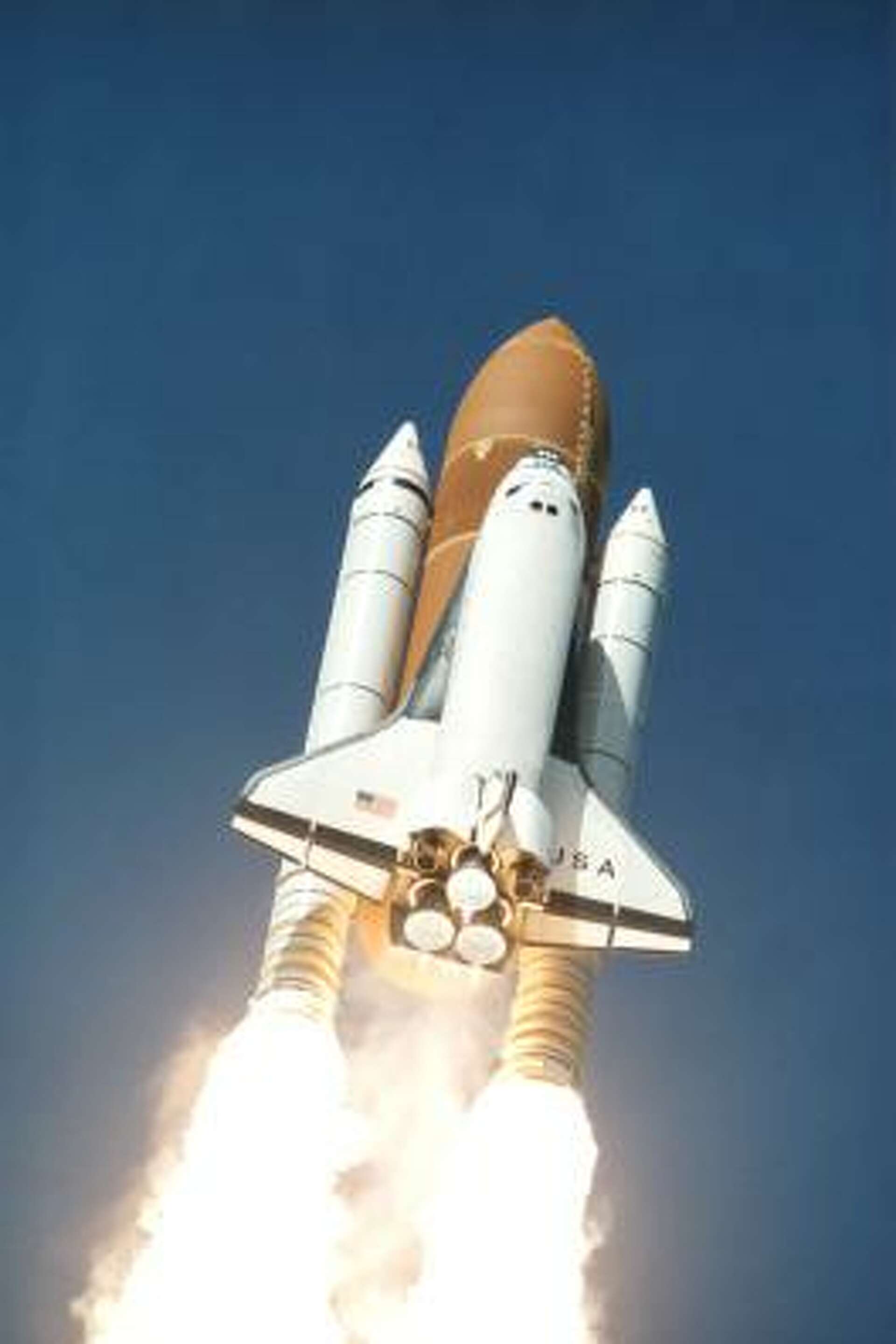
And let's be honest, who wants to rush into the unknown without a decent cup of coffee and a comfy pair of space slippers? Leaving Earth’s atmosphere isn’t just a scientific achievement, it's a lifestyle change.
So, next time you look up at the night sky, remember that while leaving Earth's atmosphere is technically quick, truly escaping – creating a new life among the stars – is a long, slow, and utterly fascinating journey. A journey that's only just beginning.
And hey, maybe by the time we're all living on Mars, the traffic to get there won't be so bad.
