
How Long Does It Take To Charge Dead Car Battery
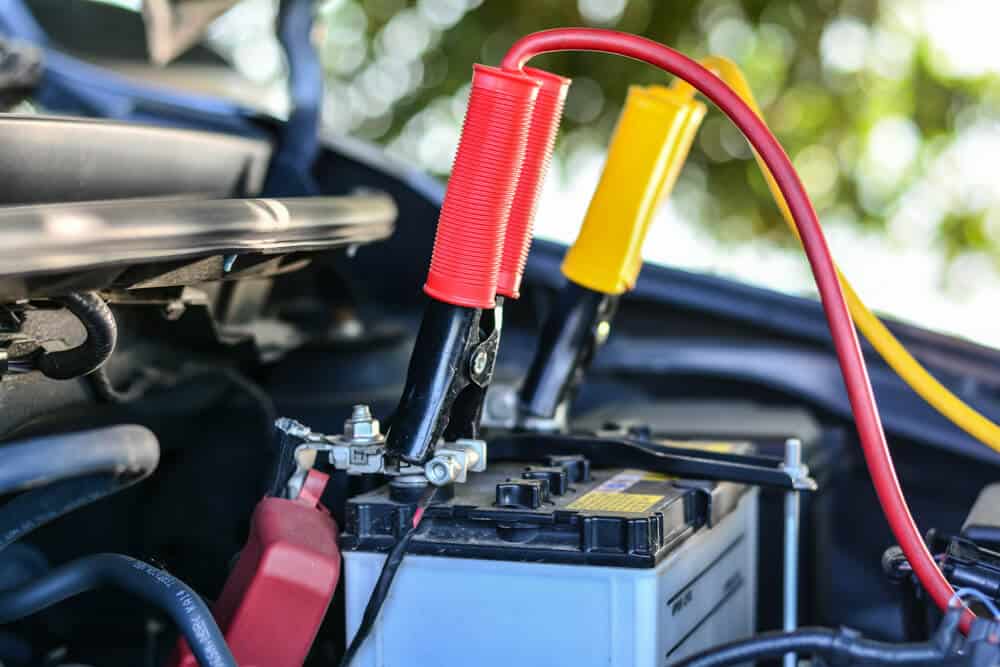
So, your car battery's flatter than a pancake. We've all been there! You turn the key, and… nothing. Just the sound of disappointment (and maybe a faint click). Now you're wondering, "How long am I gonna be stuck here?" Let's talk about charging that sucker back to life.
The Great Charging Time Mystery
Okay, first things first: there's no single, magic answer. Charging time depends on a bunch of stuff. Think of it like baking a cake. You need the right ingredients, the right oven temp, and patience. Car batteries are kind of the same.
What influences charging time? Consider these factors:
Must Read
- Battery Size: Bigger battery, longer charge. Duh!
- Battery Condition: A super old, abused battery? It'll take longer (and might not even fully recover).
- Charger Type: A tiny trickle charger? You'll be there all day. A beefy smart charger? Much faster.
- Level of Discharge: Is it completely dead, or just a little sluggish?
- Temperature: Cold weather? Everything slows down. It's like your battery is wearing a parka.
Generally, you're looking at anywhere from 2 to 24 hours. Yes, 24! That's like a whole day dedicated to battery revival. But don't panic, that's usually for a completely, utterly, hopelessly flat battery using a super-slow charger.
The Quick and Dirty: Jump Starting
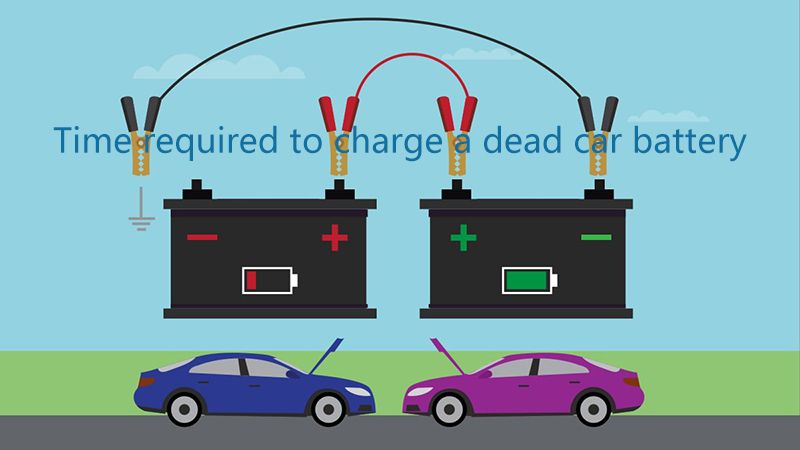
Need to get going now? A jump start is your best bet. Find a friend (or a friendly stranger) with a working car and jumper cables. Connect 'em up, follow the instructions (safety first!), and hopefully, vroom! You're back in business.
![How Long Does It Take To Charge A Car Battery [2023]](https://www.mountshine.com/wp-content/uploads/2023/06/How-Long-It-Take-To-Charge-A-Dead-Car-Battery-1536x864.jpg)
But here's the thing: jump starting doesn't fully charge your battery. It just gives you enough juice to get the engine running. Think of it as a tiny sip of coffee when you need a whole pot.
After a jump start, you'll need to drive around for a while to let your alternator recharge the battery. How long? Aim for at least 30 minutes of highway driving. The longer, the better. Just don't stall! That would be ironic (and annoying).
Charger Types: From Slowpoke to Speed Demon
Let's talk chargers. They're not all created equal.
- Trickle Chargers: These are the slowpokes. They deliver a tiny, constant charge. Great for maintaining a battery over the winter, but not so great for reviving a dead one quickly. Think of it as a tiny, slow drip of battery-saving goodness.
- Standard Chargers: These are your average Joes. They charge at a moderate rate. A good balance of speed and safety.
- Smart Chargers: These are the brains of the operation. They automatically adjust the charging rate based on the battery's needs. They can even detect if a battery is too far gone to be saved. Plus, some can even diagnose battery problems, like a battery whisperer.
A smart charger is generally the best option. They're safer, more efficient, and less likely to overcharge your battery. Overcharging is bad news. It can damage your battery and even cause it to explode (seriously!).
The Weird and Wonderful World of Battery Facts
Want some fun facts to impress your friends while you're waiting for your battery to charge?
- Car batteries are basically just big, heavy blocks of acid and lead. Yum!
- Cold weather kills batteries. Seriously. The chemical reactions inside slow down in the cold, making it harder for the battery to deliver power.
- Leaving your lights on overnight is the classic battery killer. We've all done it (or know someone who has).
- You can actually recycle car batteries! They contain valuable materials that can be reused. So, don't just toss it in the trash.
So, How Long Really?
Alright, back to the million-dollar question. Here's a rough guide:

- Completely Dead Battery (with a slow charger): 12-24 hours. Get comfy.
- Moderately Dead Battery (with a standard charger): 4-8 hours. Still a wait, but manageable.
- Slightly Weak Battery (with a smart charger): 2-4 hours. Not too bad.
Remember, these are just estimates. The best way to know for sure is to check the charger's instructions and monitor the battery's voltage. A fully charged battery should read around 12.6 volts.
Ultimately, charging a car battery is a waiting game. But with a little knowledge (and maybe a good book), you can survive the ordeal. And hey, at least you'll have a fully charged battery in the end!
Happy charging!