
How Long Does It Take To Charge A Tesla Truck
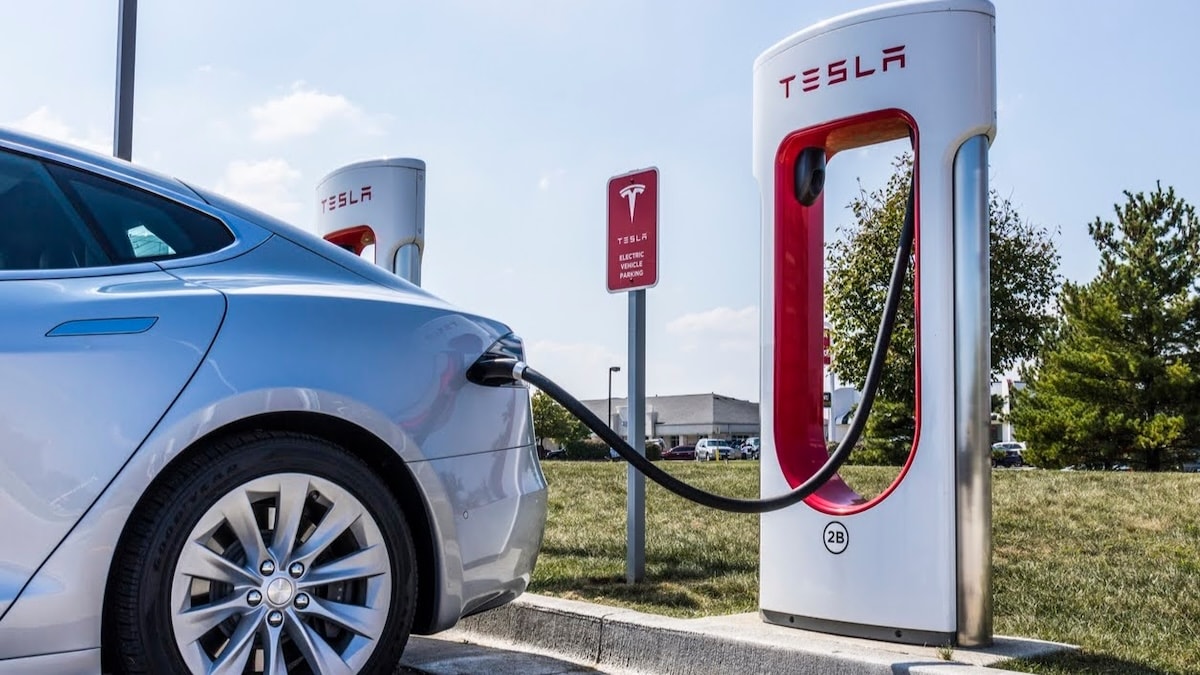
Okay, buckle up buttercup, because we're about to dive into the electrifying world of Tesla truck charging! We're talking about those behemoths of brilliance, those electric workhorses that are changing the game. And the big question on everyone's mind is: how long does it take to juice one of these bad boys up?
Forget everything you thought you knew about gas stations. This is the future, baby!
The Great Tesla Truck Charging Gauntlet: Time Edition
The charging time for a Tesla truck, like the Cybertruck (when it finally arrives!), depends on a bunch of factors. Think of it like baking a cake. The recipe (battery size), the oven temperature (charger type), and how hungry you are (how empty the battery is) all play a role!
Must Read
Let's break it down, nice and easy, like Sunday morning.
Level 1: The "Turtle Power" Charger
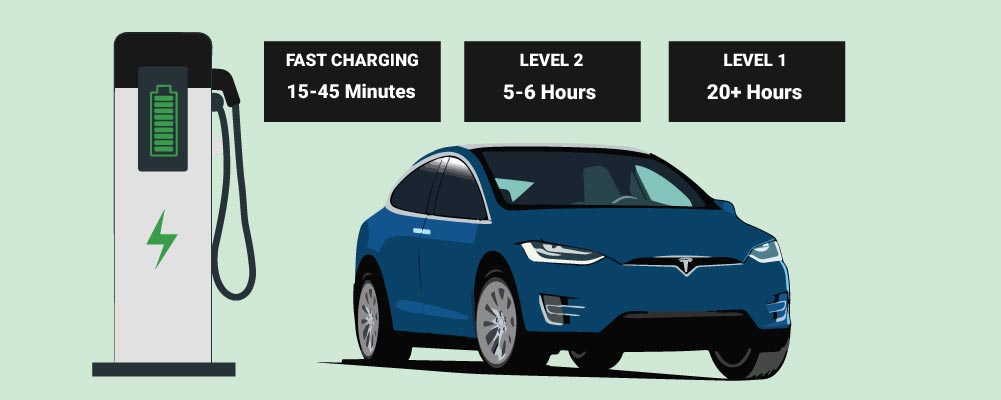
Imagine you're trying to fill an Olympic-sized swimming pool with a garden hose. That's basically Level 1 charging! This is your standard 120V wall outlet, the kind you plug your toaster into.
It's slow. Like, glacial slow. You might get a few miles of range per hour. Don’t hold your breath if you are planning a road trip.
We're talking days to fully charge a Tesla truck from near empty. Useful for topping off, maybe, but not ideal for serious charging.
Level 2: The "Snail Mail" Charger
Think of this as upgrading to a slightly bigger hose. Level 2 chargers use a 240V outlet, like the one your dryer or oven uses. They're significantly faster than Level 1.
These chargers are what you'll typically find at home with a Tesla Wall Connector or at public charging stations. It's like going from carrier pigeon to snail mail—a definite improvement!
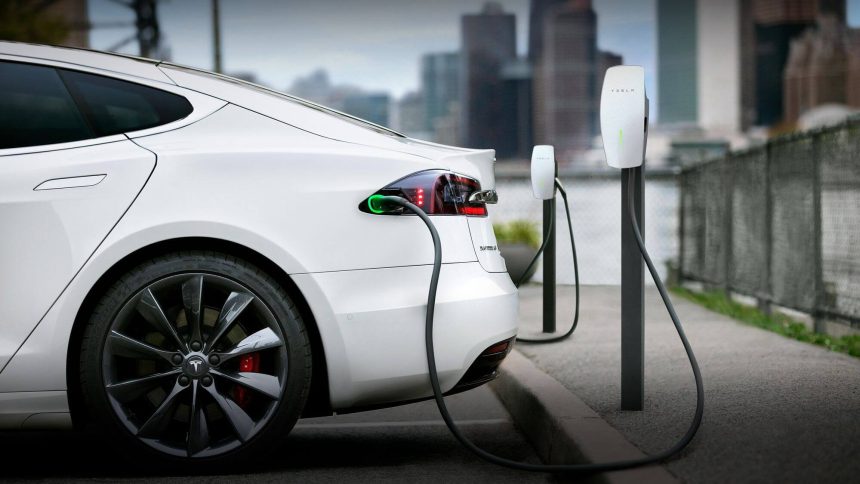
You're looking at maybe 15-40 miles of range per hour. So, a full charge could take anywhere from 8-12 hours, depending on the truck's battery size and the charger's output. Overnight charging is your friend here!
DC Fast Charging: "Warp Speed, Mr. Sulu!"
Now we're talking! DC Fast Charging is like strapping a rocket to your car. This is where Tesla's Supercharger network comes into play.
These things are powerhouses, pumping in juice at a much faster rate. You could add up to 200 miles of range in about 30 minutes. Not too shabby, eh?
While a full charge might still take an hour or so (depending on the battery level), it's a heck of a lot faster than Level 1 or 2. Road trip hero, right here!
Just be aware that using DC fast charging all the time can potentially degrade the battery faster over the long haul. Treat it like a special occasion thing, not an everyday habit.
Cybertruck Specifics: A Glimpse into the Future
Since the Cybertruck isn't quite here yet (as of this writing, anyway), the exact charging times are still a little bit of a mystery. But we can make some educated guesses based on what we know about other Tesla vehicles and the specs Tesla has announced.

The Cybertruck is expected to have some pretty massive battery packs, meaning it'll take longer to charge than, say, a smaller electric car. But it will also have more range to play with, which is great.
Presumably, the Cybertruck will also be compatible with Tesla's Supercharger network, meaning you'll be able to take advantage of those sweet, sweet DC fast charging speeds on the road.
Factors That Can Affect Charging Time: The Fine Print
Okay, let's get a little more nitty-gritty. There are a few other things that can impact how long it takes to charge your Tesla truck.
Battery Size: A bigger battery takes longer to fill, duh! Think of it like filling a bathtub versus filling a swimming pool.
Battery Temperature: Batteries charge best when they're at a moderate temperature. If it's super cold or super hot, the charging process might slow down a bit. Tesla's have battery management systems to mitigate this.
Charger Output: Not all Level 2 or DC Fast Chargers are created equal. Some have higher output than others, which means they can deliver more power to your battery in the same amount of time.
State of Charge (SOC): Charging from 0% to 50% is generally faster than charging from 50% to 100%. The charging speed tends to taper off as the battery gets closer to full. This is to protect the battery.
Outside Temperature: Extreme temperatures, hot or cold, can impact charging speed. The car's battery management system will work to optimize charging, but very cold weather can significantly reduce charging rates.
Tips for Optimizing Your Tesla Truck Charging Experience
Want to be a Tesla truck charging pro? Here are a few tips to keep in mind:
Charge Overnight: This is the easiest way to keep your battery topped off. Plug in when you get home and wake up to a fully charged truck. Just like magic!
Install a Level 2 Charger at Home: Seriously, this is a game-changer. It's much faster than Level 1 charging and will make your life a whole lot easier.
Use the Tesla App: The Tesla app is your best friend. You can use it to monitor your charging progress, find Superchargers, and even preheat or precool your battery before charging.
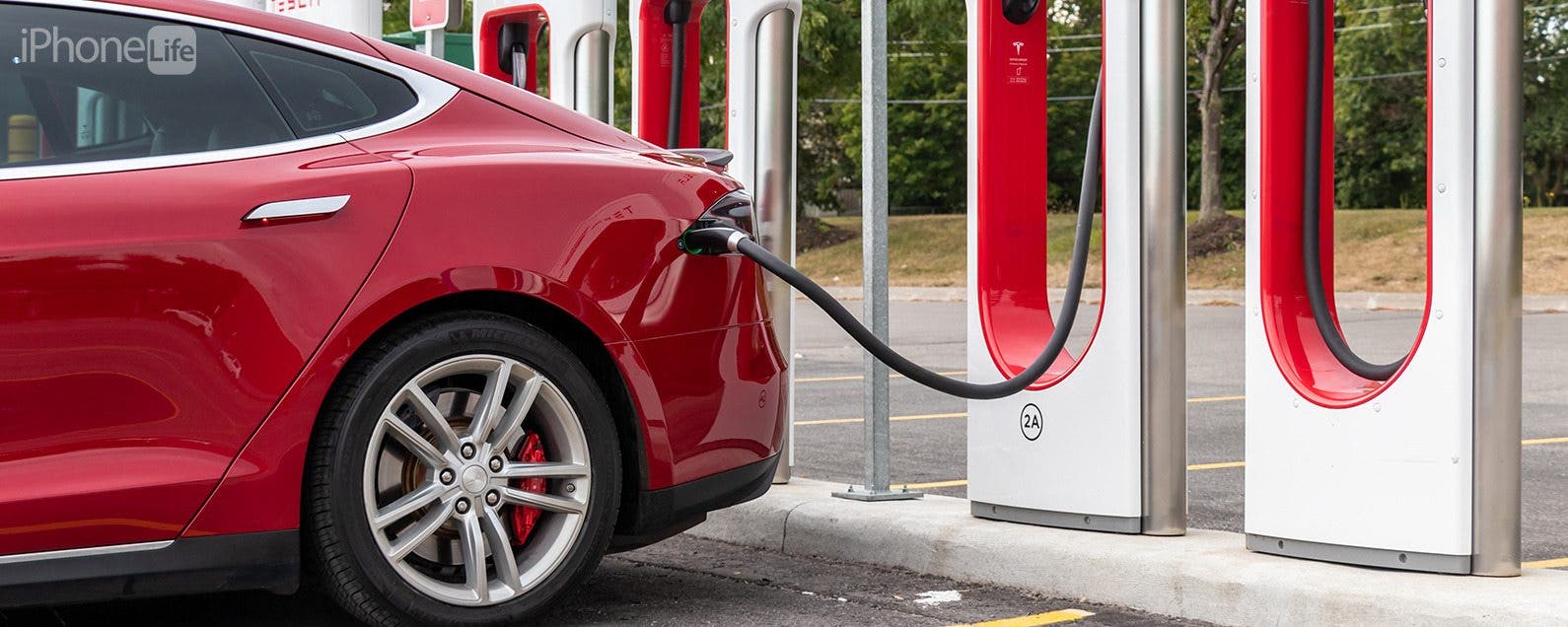
Plan Your Road Trips: If you're planning a long trip, use Tesla's trip planner to map out your route and identify Supercharger locations along the way. It'll take the guesswork out of charging on the go.
Don't Always Charge to 100%: Unless you need the full range, it's generally recommended to keep your battery between 20% and 80% for optimal battery health. Kinda like not filling your gas tank all the way every time.
The Bottom Line: Patience is a Virtue (Especially with Electric Trucks)
Charging a Tesla truck isn't quite as instantaneous as filling up a gas tank (yet!). But it's also a whole lot more convenient and cost-effective in the long run. Plus, you're helping to save the planet, which is pretty darn cool.
So, embrace the electric future! And remember, a little patience goes a long way.
Just think, while you're waiting for your truck to charge, you can catch up on your favorite podcast, take a nap, or even learn a new language. The possibilities are endless!
Happy charging, my friends!