
How Long Does It Take To Be A Mechanical Engineer
So, you wanna be a mechanical engineer? Cool! You're probably wondering, "How long is this gonna take?" Well, buckle up. The answer, like most things in life, is… it depends. Prepare for my unpopular opinion.
The Textbook Answer (and Why It's Kinda Bogus)
Okay, the official answer is usually four years. Four years of classes. Four years of late-night study sessions fueled by caffeine and desperation. Four years to earn that Bachelor of Science in Mechanical Engineering (BSME). Sounds straightforward, right?
Wrong! That's like saying it takes four years to learn to ride a bike. You might technically be able to balance and pedal after four years, but are you ready for the Tour de France? Probably not. Engineering is similar. You get the fundamentals in four years. You're book smart, not necessarily real-world smart.
Must Read
My Unpopular Opinion: It Takes a LOT Longer Than Four Years
Here's the truth nobody tells you. It takes way longer than four years to actually become a good mechanical engineer. I'm talking about the kind of engineer who can actually design a useful machine, troubleshoot a complex system, or, you know, build something that doesn't immediately fall apart.
Think about it. You spend four years learning the theory. That's fantastic. But theory is nothing without practical application. It’s like knowing all the ingredients to bake a cake but never actually turning on the oven. Where's the fun in that?
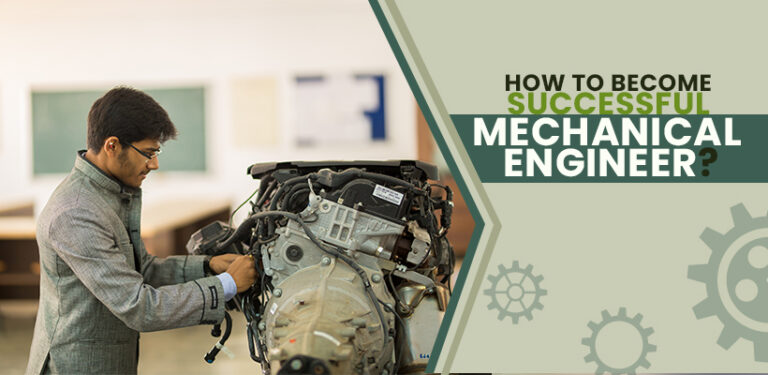
The real learning happens on the job. It happens when you're staring at a broken machine at 3 AM, trying to figure out why it's spewing oil everywhere. It happens when your senior engineer asks you to "optimize the flux capacitor" and you have to Google what a flux capacitor even IS.
The Real Timeline: Years of Experience and Making Mistakes
So, let's be realistic. After graduation, you're an entry-level engineer. You're learning the ropes. You're probably making coffee (and maybe some mistakes too). Embrace it! This is where you start applying all that textbook knowledge.
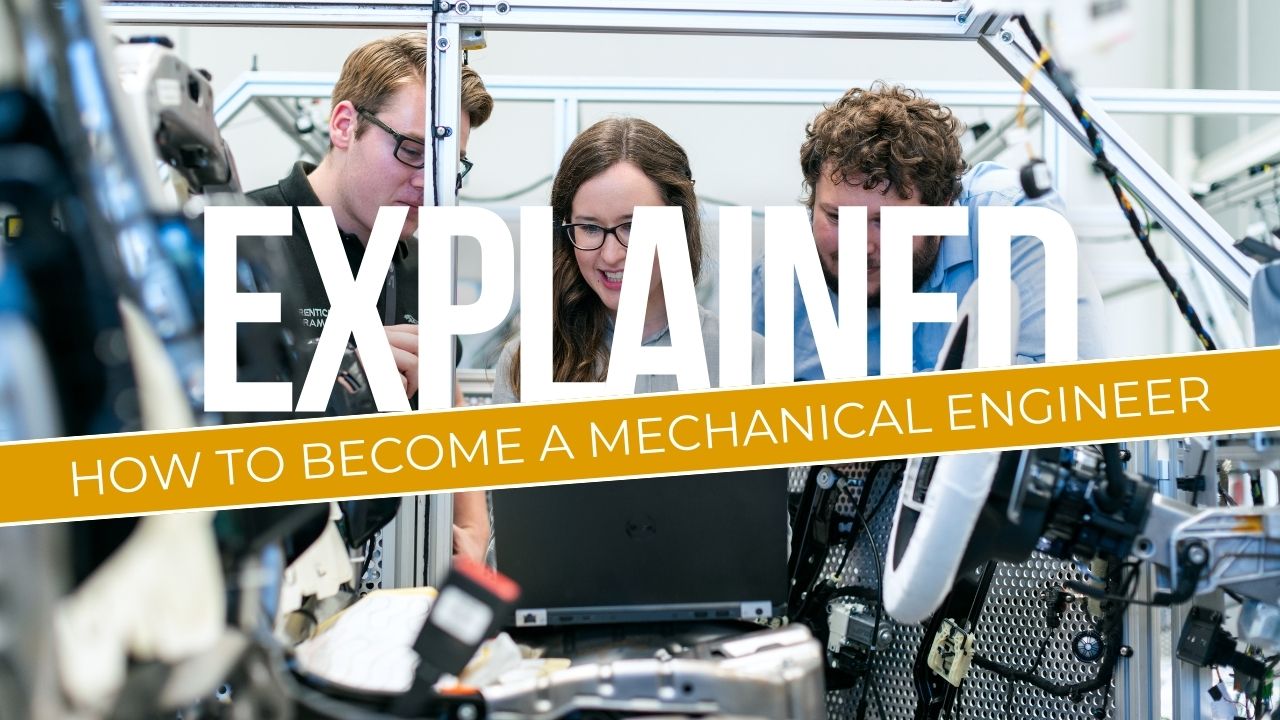
I'd say it takes at least 3-5 years of actual work experience to become a competent, confident mechanical engineer. That's 3-5 years of designing, building, testing, and inevitably, breaking things. It’s all part of the process! Think of it as extended on-the-job training, only now you’re actually getting paid (sort of).
And even after those 3-5 years, you're still learning! Technology changes. New materials emerge. Your understanding of thermodynamics will still grow. The best engineers are lifelong learners. They're constantly seeking new knowledge and challenging themselves.
Don't Panic! It's a Fun Ride
Okay, so maybe I've scared you a little. Don't be! Becoming a mechanical engineer is a rewarding journey. It's challenging, sure, but it's also incredibly fulfilling. You get to design cool stuff, solve complex problems, and build things that make a difference in the world.

Just remember: the four years in college are just the beginning. Be prepared to learn, grow, and make mistakes along the way. Embrace the challenge and enjoy the ride. The journey to becoming a true mechanical engineer is a lifelong adventure, and honestly, that's what makes it so great. Embrace the suck.
The Secret Weapon: Internships & Real-World Projects
Want to shorten that learning curve? Get internships! Seriously. Internships are like cheat codes for your future engineering career. They give you a taste of what the real world is like and help you build valuable skills. Plus, they look great on your resume.

Also, get involved in hands-on projects. Join a robotics club. Build a go-kart. Design a trebuchet (because why not?). The more you build and tinker, the better an engineer you'll become.
So, how long does it really take to be a mechanical engineer? Officially, four years. Realistically, a lifetime. But hey, who wants to stop learning anyway?
My final thought? Just keep learning, and don't be afraid to ask questions. Even the smartest engineers started somewhere.