How Long Does It Take To Be A Certified Welder
Ever wondered how that shiny new bridge got built, or how your car's frame holds together? The unsung heroes behind much of the metal world are welders! And if you're thinking about joining their ranks, you're probably wondering: How long does it really take to become a certified welder?
Well, let's just say it's not like learning to boil an egg (though, mastering a perfect soft-boiled egg is a valuable skill too!). It's more like learning to play the guitar – you can strum a basic chord in a day, but becoming a rockstar takes dedication and practice.
The Short Answer (and the Slightly Longer, More Realistic Answer)
The super-short answer is: it depends. You can get some basic welding certifications in a matter of weeks. Think of it like a crash course in guitar chords – enough to play "Smoke on the Water," but not exactly ready for a world tour.
Must Read
But to become a truly skilled and certified welder, ready to tackle complex projects and earn a good living? You’re looking at anywhere from seven months to two years of dedicated training.
The Path to Metal Mastery: Breaking it Down
So, what fills that time? It's not just sitting around watching sparks fly (though, there will be sparks!). Here's a breakdown of the typical journey:
1. Choosing Your Welding School or Program: Think of this like choosing your instrument. You wouldn't buy a ukulele if you wanted to play heavy metal, right? Similarly, research different welding schools and programs. Some focus on specific welding processes (like MIG, TIG, or Stick), while others offer a more general overview. Community colleges, vocational schools, and even some union apprenticeship programs are all great options.
2. Classroom Learning (The "Theory" Behind the Torch): This isn't just about memorizing facts! It's about understanding metallurgy (how different metals behave), reading blueprints (like reading sheet music), and learning about safety procedures (because nobody wants to be a "sparky" Darwin Award winner!). Expect to spend time in a classroom learning the science behind the art.
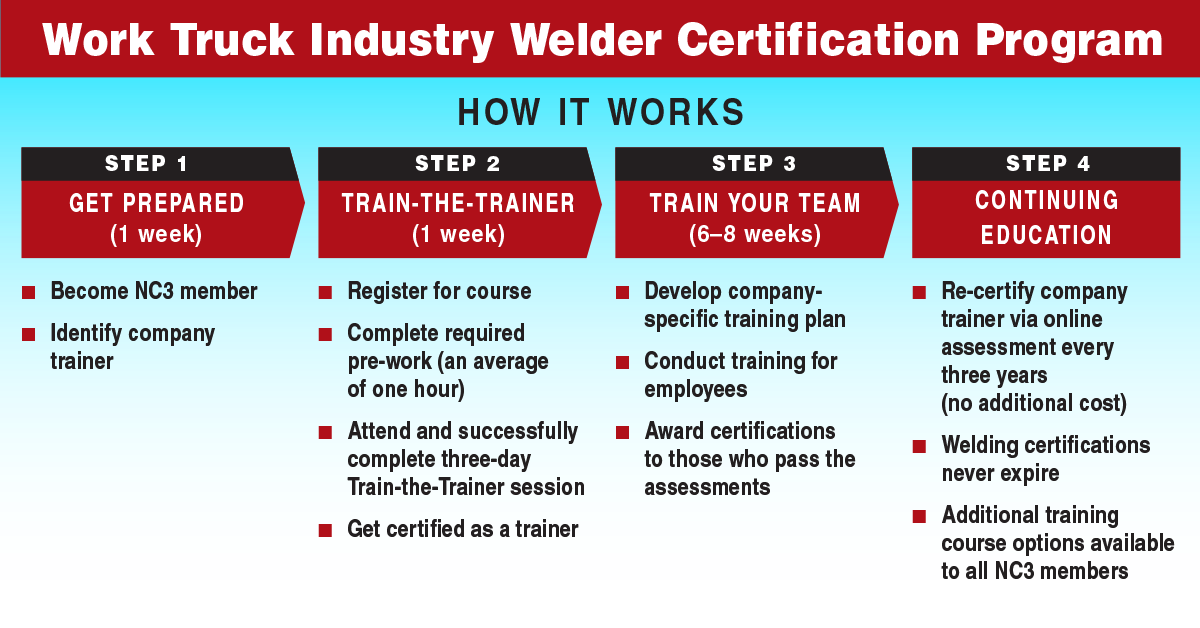
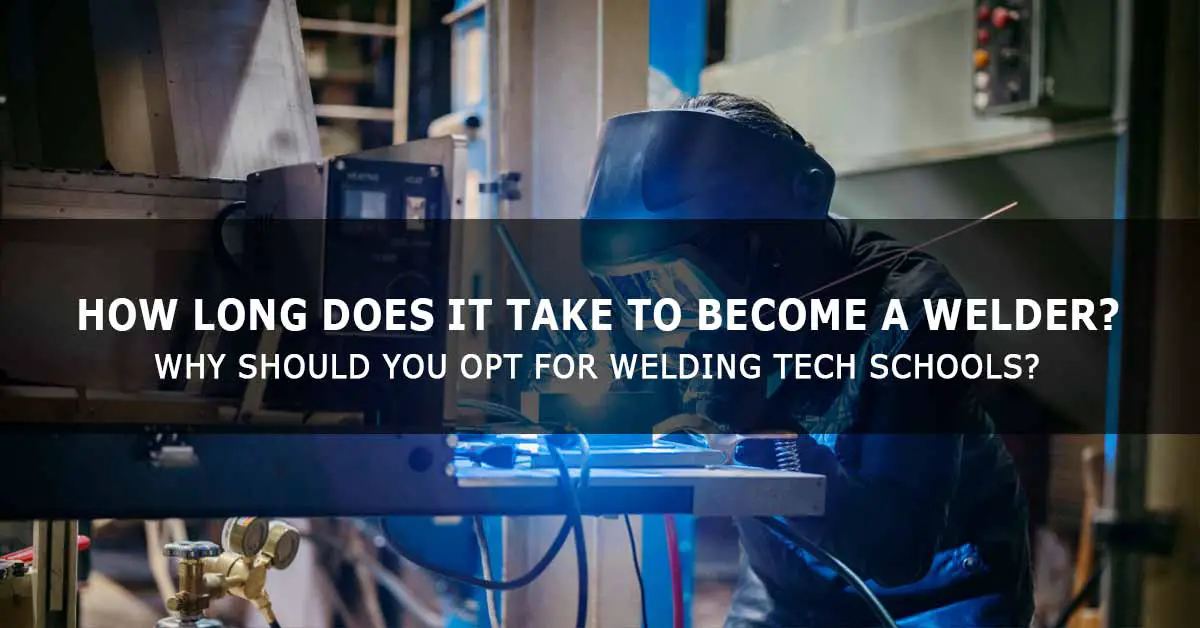
3. Hands-On Training (Where the Magic Happens): This is where you'll spend the bulk of your time. Picture yourself in a welding booth, hood down, torch in hand, transforming raw metal into something amazing. You'll be practicing different welding techniques, learning to control the arc, and developing the muscle memory that separates a good welder from a great one. This is like practicing scales and chords – repetitive, but crucial.
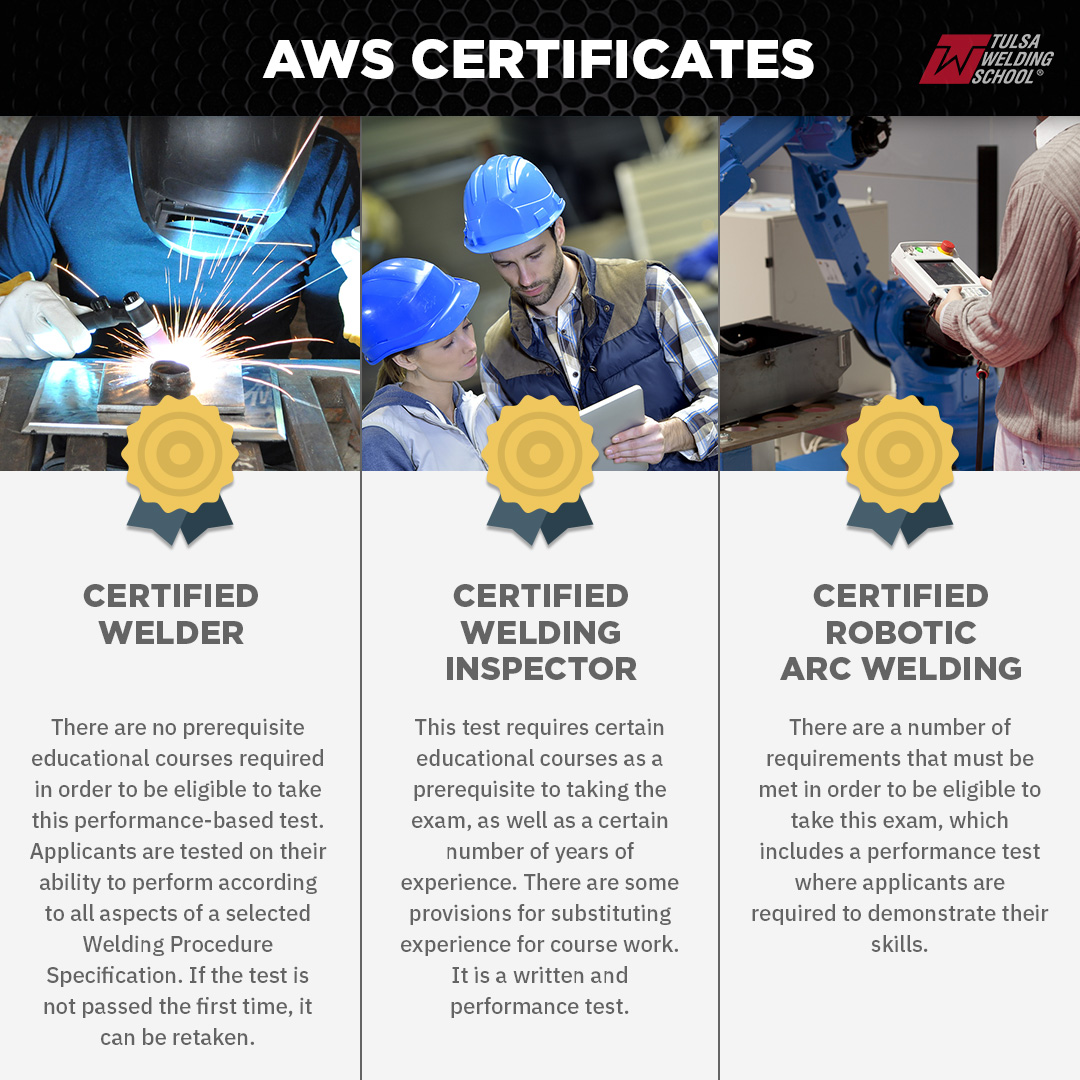
4. Getting Certified (The Validation): Welding certifications are like badges of honor, proving that you’ve mastered specific welding processes to a certain standard. The most common certifications are issued by the American Welding Society (AWS), and passing these tests demonstrates your competence to potential employers. Think of it like getting your driver's license – it proves you know how to operate the equipment safely and effectively.
Why Should You Care About Certification?
Alright, so you know how long it might take. But why even bother with getting certified? It's like asking why a chef bothers with culinary school when they can just follow recipes. Certification isn't just a piece of paper; it's an investment in your future.
- Better Job Opportunities: Employers prefer certified welders because it reduces their risk. They know you've been trained to a specific standard and can produce high-quality welds. It’s like hiring a plumber who is guaranteed not to flood your house.
- Higher Earning Potential: Certified welders typically earn more than non-certified welders. That piece of paper translates directly into more money in your pocket. It’s like having a secret ingredient that makes your dishes (and your paycheck) tastier.
- Increased Safety: Welding can be dangerous if done improperly. Certification programs emphasize safety procedures, protecting you and your coworkers from harm. Think of it like wearing a seatbelt – it might seem inconvenient sometimes, but it can save your life.
- Personal Satisfaction: There's a real sense of accomplishment that comes with earning a welding certification. It's proof that you've mastered a challenging skill, and you can take pride in your work. It’s like finally nailing that guitar solo you’ve been practicing for months.
The Takeaway: It's Worth the Time and Effort
Becoming a certified welder takes time, dedication, and hard work. But the rewards are well worth the effort. You'll gain a valuable skill, open up exciting career opportunities, and contribute to building the world around you. So, if you're ready to strike a spark and forge your own path, the world of welding awaits!
And remember, just like learning any skill, the journey is as important as the destination. Enjoy the process, embrace the challenges, and keep practicing! You might just surprise yourself with what you can achieve.