How Long Does It Take For Oranges To Go Bad
Hey there, citrus lover! Ever find yourself staring at a bowl of oranges, wondering how much longer they'll last before they transform into... well, let's just say something less appealing? You're not alone! Let's dive into the juicy details of orange expiration dates – or lack thereof!
The Great Orange Time Warp: How Long Are We Talking?
Okay, so there's no magic, universally accepted "expiration date" stamped on oranges. They're fruits, not yogurts! But generally speaking, you can expect these bright orbs of sunshine to last for a decent amount of time, especially if you treat them right. Think of it as orange stewardship!
Here's the breakdown:
Must Read
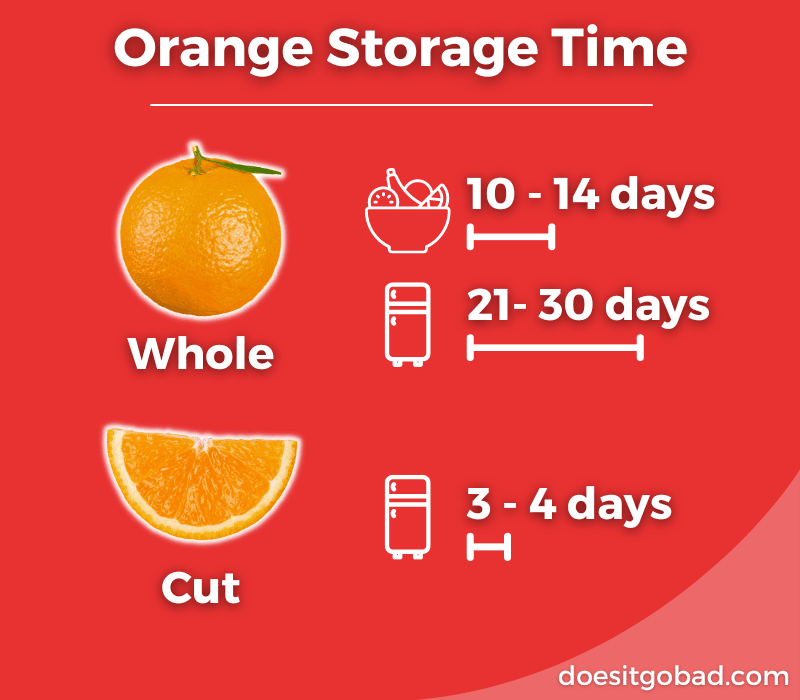
- At Room Temperature: Expect your oranges to hang around for about a week to ten days. Yep, that's it! Think of them saying, "Enjoy me while you can!". Keep them away from direct sunlight and heat; nobody wants a sunbaked orange.
- In the Fridge: Ah, the cool embrace of refrigeration! This is where your oranges can really extend their vacation. You're looking at two to three weeks, maybe even a bit longer. The fridge is their happy place, where they can chill out and resist the urge to go bad.
Pro Tip: If you’ve cut into an orange, be sure to wrap it tightly and refrigerate it. It'll only last for a day or two like this, so get snacking!
Spotting a Rotten Orange: Warning Signs!
So, how do you know when an orange has reached the end of its road? Here are a few telltale signs your orange has gone rogue:
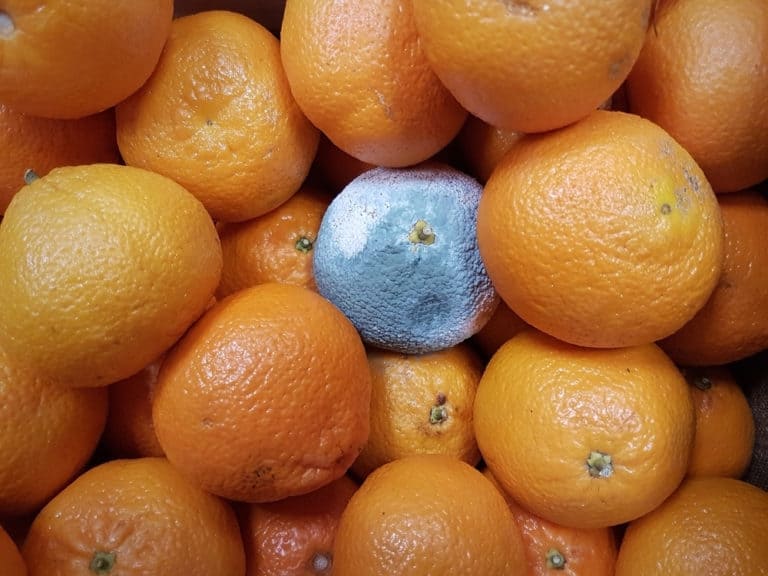
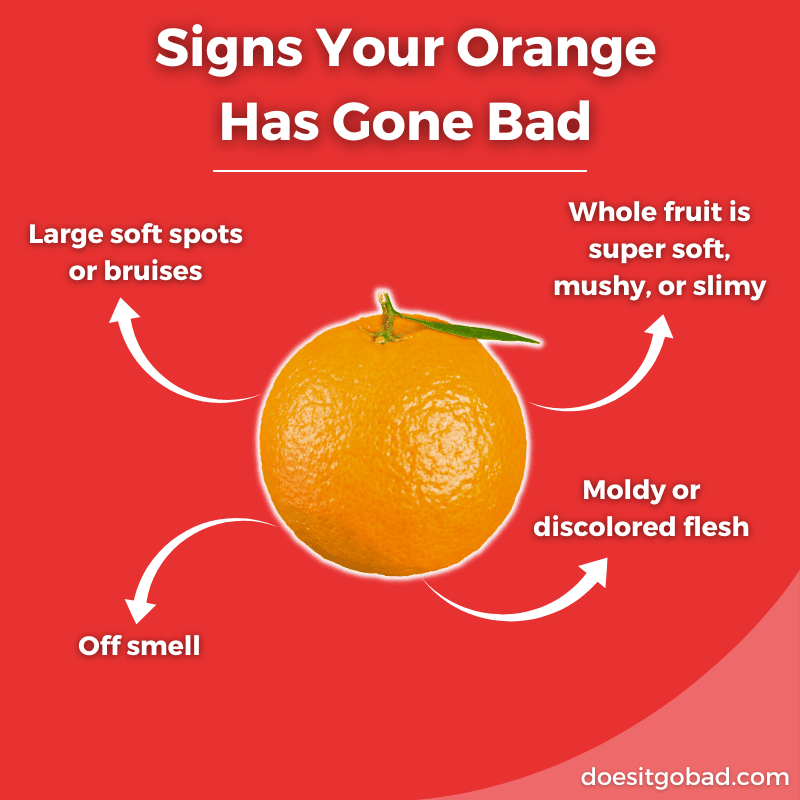
- Mold: This one's pretty obvious. If you see fuzzy green or white spots, it's a definite "no-go." Don't even think about cutting around it! Just toss it. Consider it a science experiment gone wrong.
- Soft Spots: Feeling mushy or squishy? That's a bad sign. An orange should be firm to the touch. If it feels like you're squeezing a water balloon, it’s time to say goodbye.
- A Strange Smell: Oranges usually have a pleasant, citrusy aroma. If you detect something funky, sour, or just plain off, trust your nose. It knows best!
- Discoloration: While some blemishes are normal, large areas of discoloration, especially dark spots, can indicate spoilage. Use your judgement! Is it a little bruise, or a sign of doom?
Important note: Sometimes an orange can look perfectly fine on the outside but be rotten on the inside. A sneaky trickster! If you cut into it and it looks weird or smells bad, don't risk it.
Boosting Orange Lifespan: Treat 'Em Right!
Want to keep your oranges fresher for longer? Here are a few tricks of the trade:
- Don't Wash 'Em Until You Need 'Em: Moisture encourages mold growth. So, leave the washing for right before you're ready to eat or juice them.
- Store Separately: Keep oranges away from ethylene-producing fruits like apples and bananas. Ethylene is a ripening agent that can speed up spoilage. Think of it as orange peer pressure!
- Ventilation is Key: Don't keep oranges in a sealed plastic bag. They need some air circulation to prevent moisture buildup. A breathable fruit bowl is perfect!
A Final Squeeze of Wisdom
Ultimately, judging whether an orange is still good is about using your senses. Look, smell, and feel! If something seems off, err on the side of caution and toss it. It's better to be safe than sorry – or, you know, have a stomach ache.
Remember, a little care and attention can go a long way in extending the life of your oranges. So, treat them kindly, store them properly, and enjoy their vibrant flavor and health benefits! After all, life is too short for bad oranges. Cheers to fresh citrus and a bright, happy day!