
How Long Does It Take For Fossil Fuels To Form
Ever fill up your car and grumble about the price of gas? Or maybe you're snuggled under a cozy blanket made from synthetic fibers, derived from... you guessed it, fossil fuels? We use these things every single day, but have you ever stopped to think about where they really come from? And, more importantly, how long it took to make them?
Buckle up, because the answer is going to blow your mind (and maybe make you feel a little bit old, even if you're, like, 12). We're talking millions of years. Yes, you read that right. Millions.
The Great Dying… And the Really, Really Long Wait
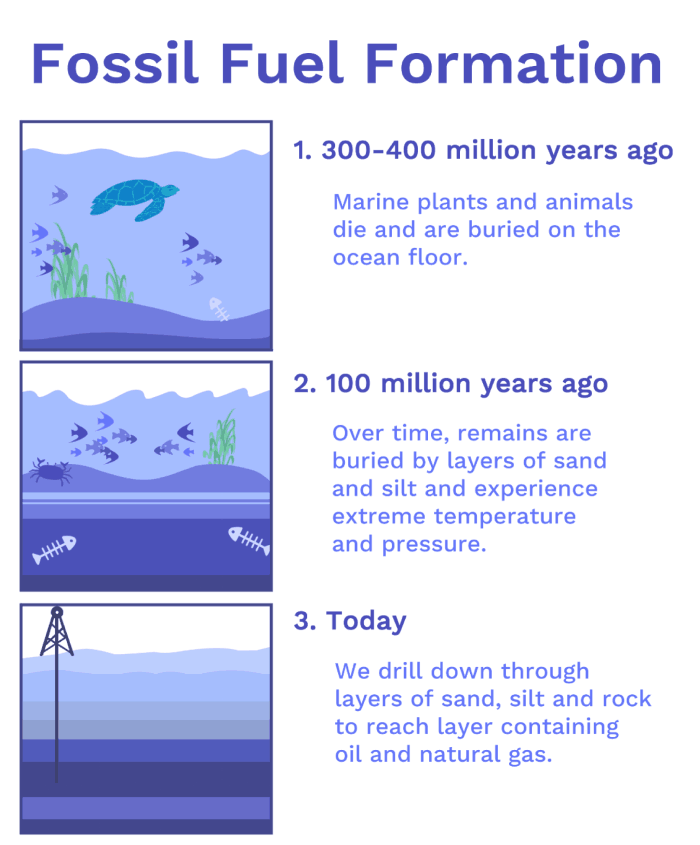
Imagine, if you will, a time long, long ago. Dinosaurs roamed the earth, plants were gigantic and leafy, and the world was a whole lot swampier. Then, disaster struck. Maybe a giant asteroid (sorry, dinos!), maybe massive volcanic eruptions… whatever the cause, there was a huge die-off. Plants and animals – lots and lots of them – died and sank to the bottom of swamps and oceans.
Must Read
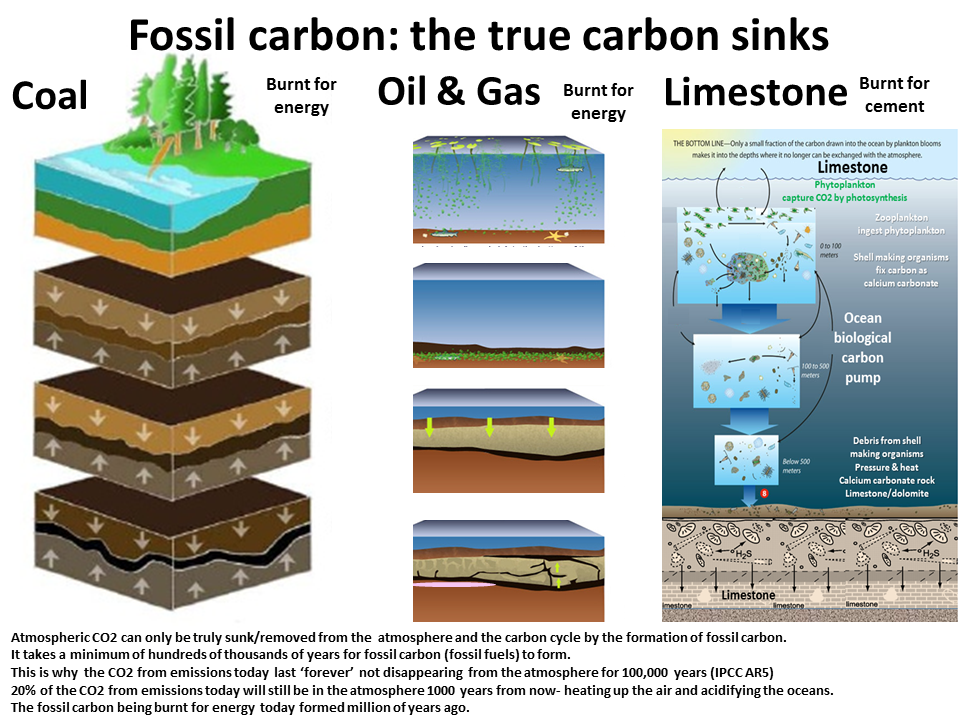
Now, here's where the magic (or, you know, the chemistry and geology) happens. These dead plants and critters didn't just disappear. Instead, they were gradually covered by layers and layers of sediment – sand, mud, and other gunk. Think of it like burying your leftovers in the back of the fridge… except instead of forgetting about them for a week and finding a fuzzy surprise, these "leftovers" are under immense pressure and heat for… well, millions of years.
Over time, the pressure and heat transformed these organic remains into what we now call fossil fuels: coal, oil, and natural gas. It's like a super slow-motion pressure cooker, turning squishy dead stuff into energy-rich deposits. Talk about a delayed reaction!

The Tortoise and the (Fossil) Hare
To put it in perspective, let's say your average garden snail needs about a month to cross your driveway (if it’s feeling particularly ambitious). The fossil fuel formation process is like that snail trying to cross the entire Milky Way galaxy. It's a slow, slow, slow process. We're talking about geological time scales here, which are, frankly, mind-boggling.
Think about it: oil, the stuff we use to power our cars and heat our homes, is basically ancient sunshine, captured by plants and animals millions of years ago and then squeezed and cooked for an unimaginable amount of time. It's like having a miniature, slow-motion Jurassic Park in your gas tank! (Minus the actual dinosaurs, sadly.)
Why It Matters (And Why You Shouldn't Litter)
So, why is it important to know how long it takes for fossil fuels to form? Well, because it highlights how incredibly valuable and finite these resources are. We're using something that took millions of years to create at an alarming rate. It's like eating the entire family-sized pizza in one sitting – enjoyable in the moment, but probably not the best idea in the long run.
Understanding this also helps us appreciate the importance of finding alternative energy sources. We can't just keep relying on something that takes millions of years to replenish. We need to be smarter, more resourceful, and a whole lot more patient (though maybe not millions-of-years patient!).

Next time you fill up your car or turn on your lights, take a moment to appreciate the amazing, ancient, and frankly bizarre process that brought that energy to you. And maybe, just maybe, consider riding your bike instead. After all, those ancient plants and animals would probably appreciate the gesture.
And remember, throw away your trash responsibly. You don't want to become fossil fuel...do you?
"Fossil fuels are finite resources formed over millions of years, reminding us of the importance of sustainable energy practices."
