
How Long Does It Take A 12v Battery To Charge

So, you're wondering how long it takes to charge a 12v battery, huh? That's a very good question! It's like asking how long it takes to bake a cake... depends on the cake, doesn't it? And, you know, the oven. And whether you accidentally set it to broil. (Oops! We've all been there.)
Well, with batteries, it's kind of the same deal. There are a few things that totally influence the charging time. Let's dive in, shall we? Think of it like this: we're battery besties now, untangling this electrifying mystery together!
What's the Battery's Story?
First, we need to know the battery's capacity. This is usually measured in amp-hours (Ah). Think of it like the battery's "fuel tank" size. A bigger tank (more Ah) will take longer to fill, naturally. A 100Ah battery is going to take longer than a dinky little 10Ah one, right? Makes sense!
Must Read
Then there's the state of charge (SOC). Is it completely flat? Limping along? Or mostly full? A totally dead battery is going to need a much longer charging time than one that's just a little low. It's like trying to fill a completely empty bathtub versus just topping one off, you know?
Charger Chatter
Next up, the charger itself! The charger's output current (amps) is super important. This is how much "juice" it can pump into the battery per hour. A higher amperage charger will charge the battery faster... up to a point. Using too high an amperage can actually damage the battery, so don't get too carried away! Imagine trying to fill a teacup with a firehose. Not pretty, right?

Some chargers are also smarter than others. Smart chargers automatically adjust the charging rate based on the battery's needs. They can detect when the battery is full and switch to a maintenance or float mode. Fancy! These are generally the best bet for long-term battery health.
The Math (Don't Panic!)
Okay, let's get a little mathematical (but I promise, it won't hurt!). A very, very rough estimate for charging time can be calculated like this:
Charging Time (hours) ≈ Battery Capacity (Ah) / Charger Output (Amps)
So, if you have a 100Ah battery and a 10 amp charger, it might take around 10 hours to charge it fully. Notice that very important word, "might". This is a highly simplified calculation. In real life, there are charging losses and other factors that can affect the time. We're not building rockets here, just getting a rough idea!
Important note: This calculation assumes the battery is starting from a completely discharged state. Which, hopefully, you're not letting it get to! Regularly discharging your battery completely isn't great for its lifespan.

Real-World Examples (No, Really!)
Let's get even more specific! Imagine you have a 12V 50Ah deep cycle battery (like you might find in an RV or boat). And you're using a 5 amp smart charger.
If the battery is completely dead, it could take around 10 hours (50Ah / 5A = 10 hours). However, with a smart charger, it'll likely be longer, as the charger might start at a lower amperage and gradually increase it. Plus, there's that whole charging efficiency thing we talked about earlier!
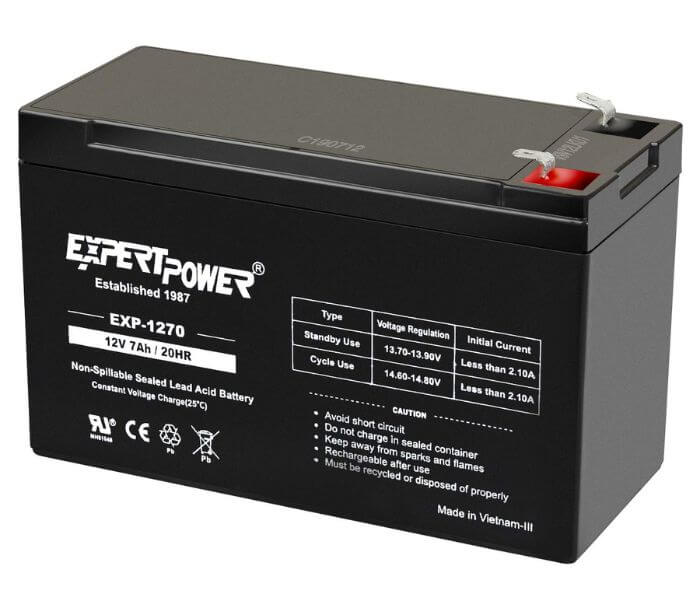
What about a smaller 12V 7Ah battery (like you might find in a motorcycle or scooter)? Using a 1 amp charger, it would take around 7 hours to charge it from completely dead. Easy peasy!
The Bottom Line (Finally!)
So, how long does it take to charge a 12v battery? The answer, frustratingly, is: it depends! But hopefully, now you have a much better idea of the factors involved. Look at the battery capacity (Ah), the charger output (Amps), and consider the state of charge. And if in doubt, err on the side of using a smart charger and letting it do its thing!
Don’t get bogged down in the details, though. The main takeaway? Grab a good charger, be patient, and don't forget to enjoy the (literal!) power of a fully charged battery! Now go forth and conquer... with electricity!