How Long Does Chicken Last After Defrosting
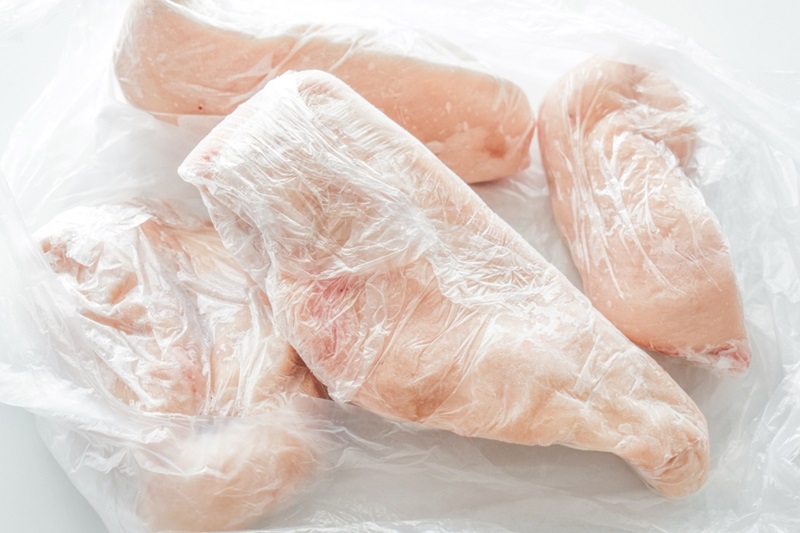
So, you bravely ventured into the freezer, unearthed that frosty package of chicken, and now you're staring at it, wondering: "Okay, how long do I really have before this becomes a science experiment instead of Sunday dinner?" You're not alone. We've all been there. Figuring out the defrost-to-deliciousness timeline for chicken can feel a bit like navigating a culinary minefield. Fear not, fellow foodies! We're here to guide you through it.
The Defrosting Lowdown: Time is of the Essence
First things first: how you defrost your chicken matters. Think of it like choosing your fighter in a video game – each method has its strengths and weaknesses. The three main contenders are the refrigerator, cold water, and, as a last resort, the microwave. Never, ever defrost chicken at room temperature. That's basically throwing a party for bacteria, and nobody wants that.
Refrigerator Defrosting: The Patient Path
Must Read
This is your safest bet, although it requires planning. The USDA recommends defrosting in the refrigerator. It's slow, but steady, and keeps the chicken at a safe temperature throughout the process. A whole chicken can take 1-2 days to defrost, while smaller cuts like breasts or thighs might take 12-24 hours. The good news? Chicken defrosted in the fridge can safely hang out there for 1-2 days after it's fully thawed before you need to cook it. Think of it as a grace period. This method allows you to use the chicken within a reasonable timeframe without scrambling.
Cold Water Defrosting: The Speedy Solution (with Caveats)

Need chicken, like, now? Submerge that frosty bird in a bowl of cold water. Important: The water must be cold, and you need to change it every 30 minutes to maintain that chill. A small package of chicken breasts might defrost in an hour or two. The catch? You need to cook the chicken immediately after it's thawed. No lingering allowed! Imagine it's like a Cinderella story – once the water bath is over, the chicken needs to be transformed into a culinary masterpiece, not left to sit around and turn into a pumpkin. We are talking about chicken not fairytales!
Microwave Defrosting: The Desperate Measure
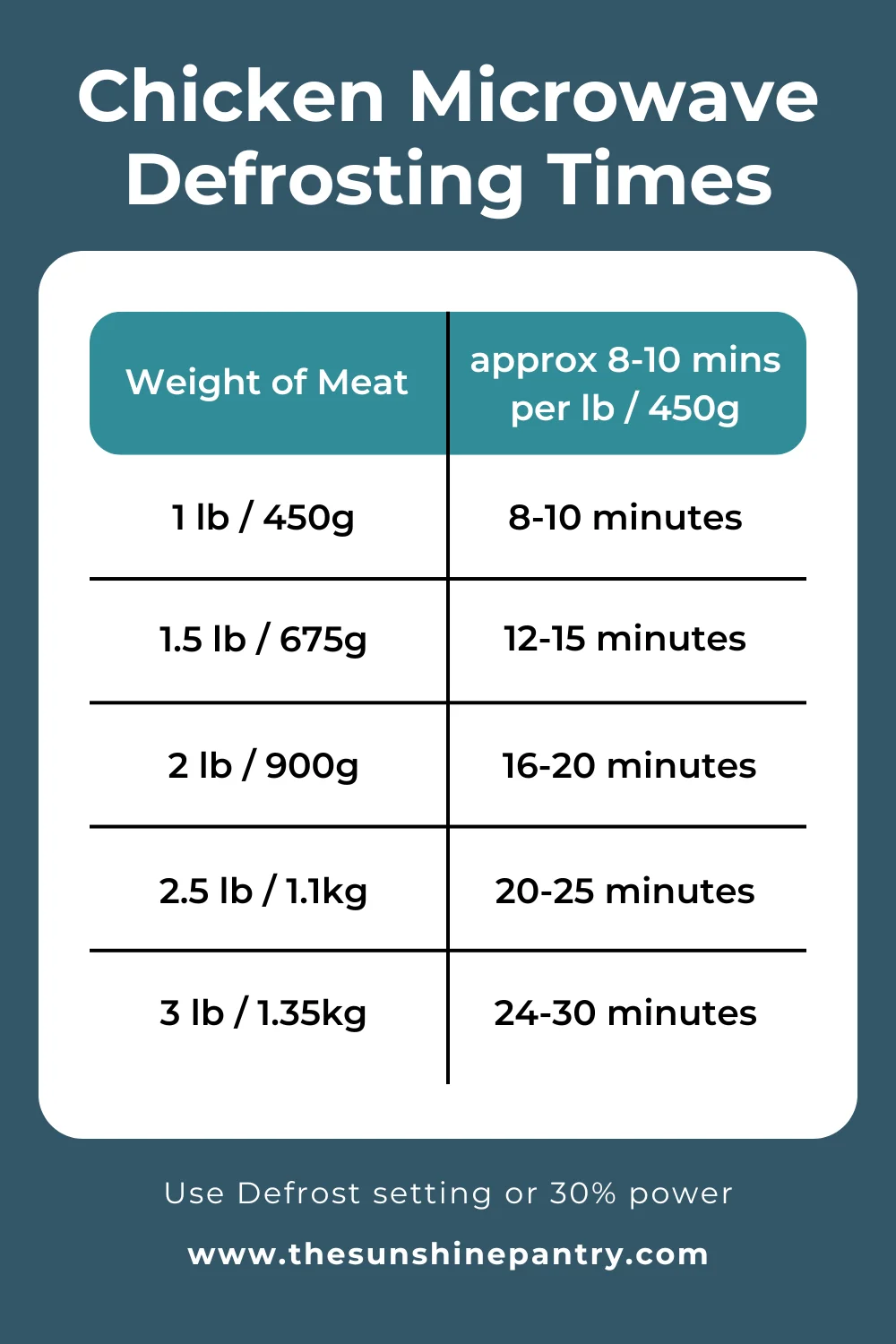
Okay, you forgot to take the chicken out. We get it. The microwave is a quick fix, but it can also start cooking the chicken in some areas, which isn't ideal. If you go this route, cook the chicken immediately after defrosting. No exceptions! Think of it like ripping off a band-aid – quick and potentially a bit messy, but you gotta deal with the consequences right away.

The Golden Rules: Playing it Safe
Regardless of your defrosting method, there are some non-negotiable rules.
- Trust your senses: If the chicken smells funky or feels slimy, toss it. Seriously. It's not worth the risk.
- Cook thoroughly: Use a meat thermometer to ensure the chicken reaches an internal temperature of 165°F (74°C). This is your magic number for killing any potential bacteria.
- Don't refreeze: Once chicken has been defrosted, do not refreeze it unless you cook it first. Refreezing raw chicken that's been thawed can compromise its texture and safety.
Cultural Snippet: Chicken Around the World
Did you know that chicken is the most widely eaten poultry in the world? From Korean fried chicken to Moroccan tagine, this humble bird pops up in countless cuisines. Each culture has its own unique way of preparing and preserving chicken, but the basic principles of food safety remain the same! It is used in some cultures for divination; chicken bones were, and still are by some, used as a method for seeing the future.

Fun Fact: The fear of chickens is called alektorophobia.
The Takeaway: Practical Tips for Chicken Prep
Here's a quick recap to keep your chicken game strong:
- Plan ahead: Refrigerator defrosting is your best bet for safety and flexibility.
- Be water-wise: If you use the cold water method, cook immediately.
- Microwave with caution: Only use the microwave as a last resort, and cook the chicken right away.
- Trust your gut (and your nose): When in doubt, throw it out.
- Cook it up: Always ensure the chicken reaches an internal temperature of 165°F (74°C).
Ultimately, understanding how long chicken lasts after defrosting is about more than just avoiding food poisoning. It's about respecting the food we consume, planning our meals thoughtfully, and creating delicious, safe experiences in the kitchen. So, go forth, defrost with confidence, and whip up something amazing! Remember, cooking is an adventure, and even seasoned chefs have their "oops" moments. What matters is learning from them and continuing to create.