
How Long Does Central Air Last
Ah, summer. The season of sunshine, popsicles, and that glorious, icy blast when you step inside from a sweltering day. Our central air conditioning system isn't just a luxury; for many, it's a non-negotiable lifeline. But have you ever stopped to wonder, amidst all that blissful cool air, how long does this modern marvel actually stick around? It’s not exactly a forever friend, but with a little TLC, it can be a very long-term relationship!
Let's dive into the cool facts about your home's unsung hero. Typically, a well-maintained central air conditioning system will serve you faithfully for anywhere from 15 to 20 years. Think of it like a dependable family car – with regular check-ups, it can keep purring along nicely for quite a while. Some might even stretch to 25 years if they’re living their best, chill life!
What Makes Your AC System Tick (or Tock)?
Just like people, not all AC units are created equal, and their lifespan can depend on a few key ingredients. It’s a mix of nature and nurture, really!
Must Read
1. The Nurture Factor: Maintenance, Maintenance, Maintenance!
This is probably the biggest game-changer. Ignoring your AC is like never taking your car in for an oil change. It might run for a bit, but it’s headed for trouble. Regular, professional tune-ups (ideally once a year in the spring before peak season hits) can drastically extend your system’s life. Think of it as a spa day for your AC unit!
2. The Usage Factor: How Hard Does It Work?
If you live in a perpetually sunny, sweltering climate (looking at you, Florida and Arizona!), your AC unit is going to work a lot harder than one in, say, Seattle. More run time generally means more wear and tear. It’s simply logging more hours on the job.

3. The Installation Factor: A Good Start Matters.
A properly sized and professionally installed system is crucial. An undersized unit will constantly struggle to cool your home, leading to premature burnout. An oversized unit will short-cycle, also causing unnecessary wear. It's all about that Goldilocks fit.
4. The Quality Factor: Not All Units Are Born Equal.
Just like appliances, some brands and models are built with more durable components than others. While a higher SEER (Seasonal Energy Efficiency Ratio) rating often means better energy efficiency, it can also sometimes correlate with higher quality parts, though not always. It's worth researching and investing in a reputable brand if you're in the market.

Practical Tips for a Longer-Lasting Cool
Want to give your AC the best shot at hitting that 20-year mark? Here are some simple, actionable tips that don't require an engineering degree:
- Change Those Filters Religiously: This is the easiest, most impactful thing you can do! A dirty air filter restricts airflow, making your system work harder and consume more energy. Aim for once a month during peak usage, or every 2-3 months otherwise. It’s like giving your AC a clear set of lungs!
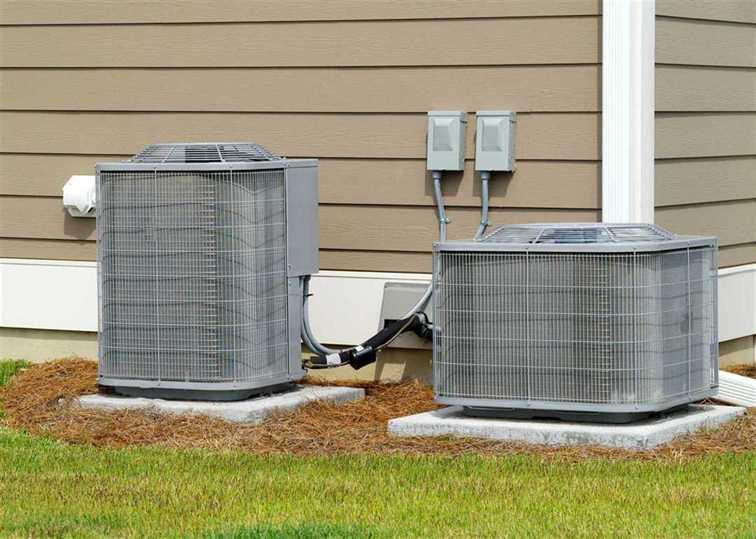
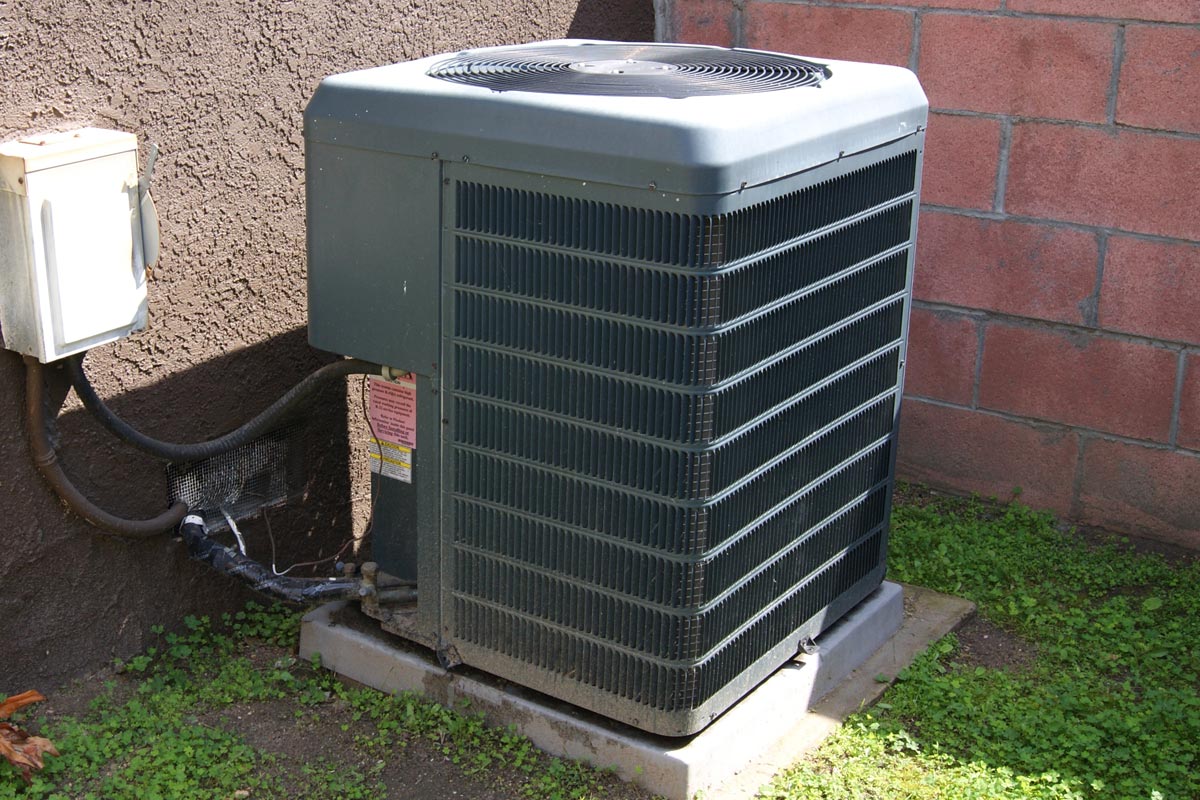
- Keep the Outdoor Unit Clear: Your outdoor condenser unit needs breathing room. Make sure it's free from weeds, grass clippings, leaves, and other debris. Give it about two feet of clearance on all sides.
- Consider a Smart Thermostat: These clever gadgets can optimize your cooling schedule, potentially reducing wear and tear by not running unnecessarily when you're away. Plus, they can save you money!
- Seal Your Ducts: Leaky ductwork can waste a surprising amount of cooled air, forcing your AC to work overtime. Sealing them up can make your system more efficient and less stressed.
- Don't Be Afraid of Shade: If possible, plant trees or shrubs to shade your outdoor unit (but remember to maintain clearance!). This can help it run more efficiently, especially in direct sunlight.
When It’s Time to Bid Adieu (or at Least, Consider It)
Even with the best care, all good things come to an end. How do you know when your trusty AC is nearing retirement? Look out for these tell-tale signs:
- Frequent Breakdowns: If you’re calling the repair person more often than you’d like, it might be time to consider a replacement.
- Skyrocketing Energy Bills: An aging, inefficient system has to work harder to achieve the same cooling, guzzling more energy and costing you more.
- Strange Noises or Odors: Clanging, grinding, or hissing sounds, or musty smells, are all cries for help.
- Uneven Cooling: Hot spots in some rooms, even when the AC is blasting, indicate your system isn't delivering like it used to.
A good rule of thumb: if the cost of repairing your old unit is 50% or more of the cost of a new one, it’s probably a smarter financial move to invest in a shiny new, energy-efficient system. The initial outlay might sting, but the long-term savings on energy bills and the peace of mind are often worth it.
Ultimately, your central air conditioning system is more than just machinery; it’s the quiet guardian of your comfort, your sanity during heatwaves, and a silent partner in countless summer memories. By understanding its needs and giving it a little love, you can ensure many more years of blissful, breezy relaxation in your own personal oasis. Here's to staying cool!
