
How Long Does Car Need To Run To Charge Battery

Ever wondered how long you need to let your car idle to coax that battery back to life? It's a question that's plagued drivers since, well, probably since cars started having batteries! Let's dive into this electrifying topic.
The Great Battery Recharge Mystery
So, you've accidentally left your lights on (we've all been there, right?), or maybe your car's been sitting untouched for a while, and now the battery is flatter than a pancake. What to do?
The instinctive reaction is often to jump in, start the engine, and let it run. But how long is long enough? Is it a quick five-minute power-up, or do you need to commit to an all-afternoon engine marathon?
Must Read
The Short Answer (and Why It's Complicated)
Here's the deal: there's no single, magical number. It's not like baking a cake where precisely 350 degrees for 30 minutes always yields the same delicious results.
Think of your car battery like your phone. Charging time depends on how empty it is, the charger's power (your car's alternator), and what you're doing with the phone while charging (running the AC, blasting the radio).
But if we're forced to give a general ballpark figure, a good rule of thumb is to aim for at least 15-30 minutes of driving to make a noticeable difference. Remember that is driving, not idling! Idling is less efficient.
Why Idling Isn't the King
Now, let's bust a myth: idling is not the superhero of battery charging. Your car's alternator (the thing that recharges the battery while the engine is running) doesn't exactly go into hyperdrive when you're just sitting there.
When idling, the engine is at its lowest RPMs (revolutions per minute). The alternator spins slower, producing less electricity. It's like trying to fill a swimming pool with a garden hose – it'll eventually happen, but it'll take forever!
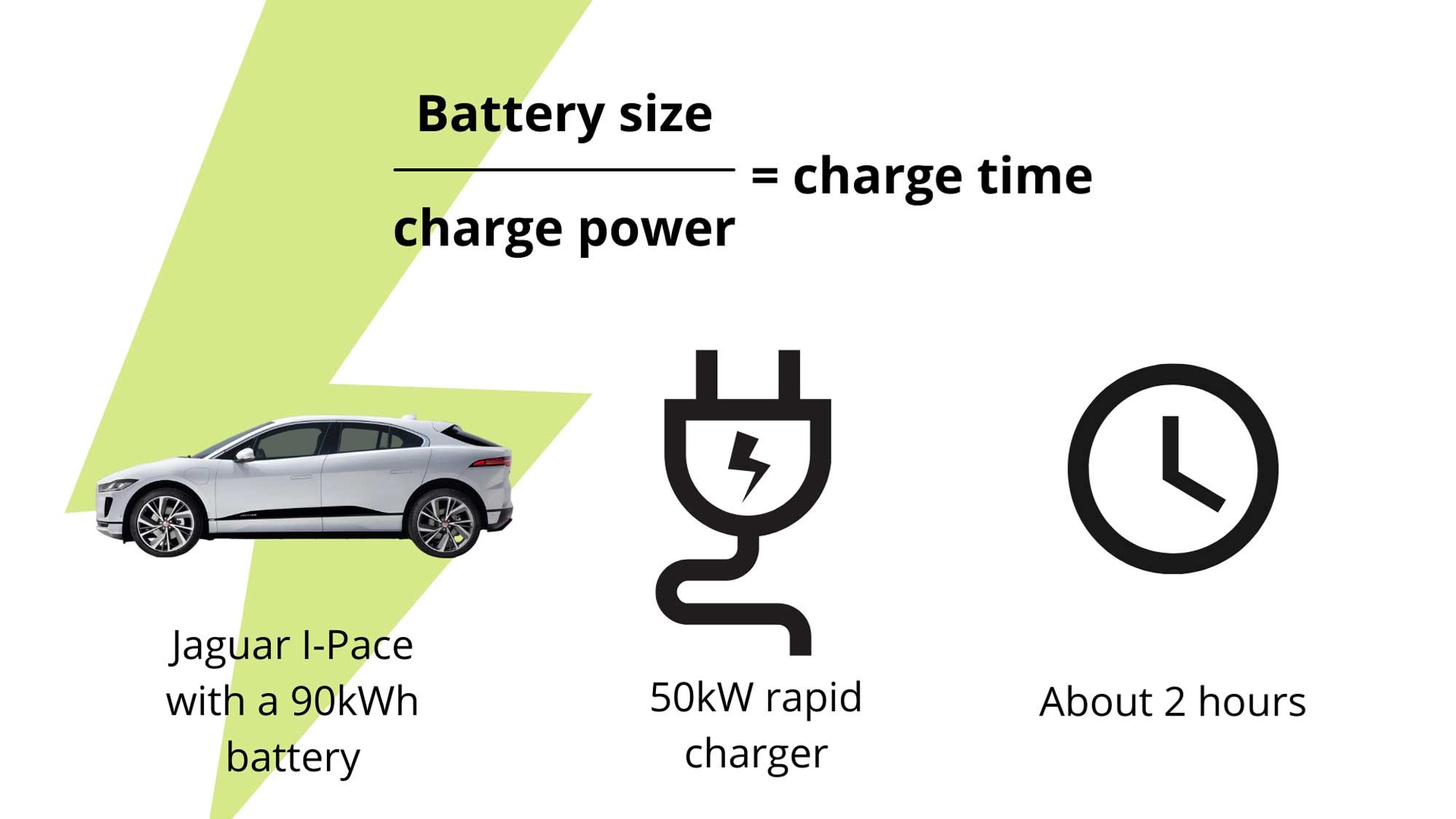
Driving, on the other hand, increases the engine RPM, making the alternator work harder and generate more power. It's like switching to a fire hose – much faster!
Factors Affecting Charging Time: It's Not One-Size-Fits-All
Okay, so we've established that driving is better than idling. But even that's not the whole story.
Several factors can affect how long your car needs to run to charge the battery. Consider these points:
Battery Condition
An old, tired battery won't hold a charge as well as a new one. If your battery is nearing the end of its lifespan, it might require longer charging times or simply refuse to fully charge at all.
Imagine trying to fill a bucket with holes in it – you'll be constantly losing water, and it'll take much longer to fill. Similarly, a damaged battery struggles to retain the charge it receives.
Alternator Health
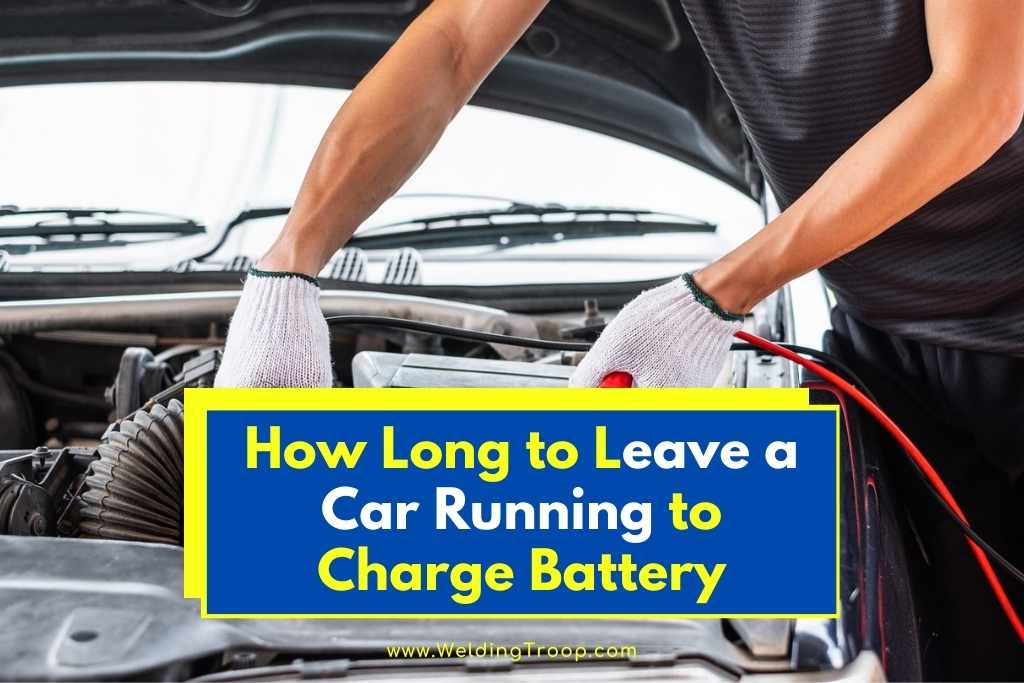
A failing alternator is like a weak charger. It won't be able to generate enough power to effectively recharge the battery. If you suspect your alternator is on its way out, get it checked by a mechanic.
A healthy alternator is crucial for maintaining the battery's charge while you drive. If it's not working correctly, your battery will slowly drain, even with the engine running.
Electrical Load
Turning on all your car's electrical accessories – headlights, AC, radio, heated seats, phone charger – puts a strain on the battery and the alternator. It's like trying to charge your phone while simultaneously watching a movie, playing a game, and downloading a huge file.
The alternator has to work harder to keep up with the demand, which can slow down the battery charging process. Minimize electrical usage while charging a depleted battery.
Driving Conditions
Short trips with frequent stops don't give the alternator much of a chance to fully recharge the battery. Longer, sustained drives are much more effective.
Think of it as intermittent exercise versus a consistent workout. A short burst of activity might wake you up, but it won't build significant muscle mass. A longer, more sustained effort is needed for real results.
Signs Your Battery Needs a Boost (Besides the Obvious)
Sometimes, the signs of a weak battery are subtle. Keep an eye out for these clues:
- Slow engine cranking: If your engine takes longer than usual to start, it could be a sign of a weak battery.
- Dim headlights: Headlights that are noticeably dimmer than normal can indicate a low battery charge.
- Electrical issues: Problems with power windows, door locks, or other electrical components could be related to a weak battery.
- The dreaded click: The dreaded "click-click-click" when you try to start the car is the ultimate sign of a dead or severely depleted battery.
The Jump Start: A Temporary Fix
A jump start can get you going in a pinch, but it's not a long-term solution. It simply provides enough power to start the engine, but it doesn't fully recharge the battery.
After a jump start, it's crucial to drive the car for a significant amount of time (at least 30 minutes) to allow the alternator to properly recharge the battery. Otherwise, you might find yourself stranded again soon.
The Smart Approach: Battery Maintenance
The best way to avoid battery-related headaches is to practice good battery maintenance.

- Regularly check the battery's terminals: Clean any corrosion with a wire brush and a mixture of baking soda and water.
- Have your battery tested: Most auto parts stores offer free battery testing services.
- Avoid leaving lights on: It's an easy mistake to make, but it can quickly drain your battery.
- Consider a battery maintainer: If you don't drive your car frequently, a battery maintainer can keep the battery charged and prevent it from dying.
When to Call in the Pros
If you've tried everything and your battery still won't hold a charge, it's time to consult a professional mechanic.
They can diagnose the problem and determine whether the battery needs to be replaced or if there's an underlying issue with the charging system.
The Bottom Line: It Depends!
So, how long does your car need to run to charge the battery? The unsatisfying but honest answer is: it depends!
Consider the battery's condition, the alternator's health, the electrical load, and the driving conditions. Aim for at least 15-30 minutes of actual driving after jump starting, and prioritize battery maintenance to avoid future problems.
And remember, when in doubt, it's always best to consult a professional. Happy driving!