
How Long Does An Ac System Last

Ah, the sweet symphony of a humming air conditioner on a scorching summer day. It's the silent hero, the unsung MVP of your home, transforming sweltering misery into a refreshing oasis. But have you ever paused, perhaps while enjoying that perfectly chilled glass of lemonade, and wondered: "Just how long is this magical box going to keep doing its thing?"
It's a question that pops into our minds, often subtly, like that one forgotten errand. We rely on our AC systems so much, especially when the mercury starts climbing, that the thought of it kicking the bucket can send a shiver down our spine – and not the good kind!
The Big Picture: How Long Do They Really Last?
Alright, let's get down to brass tacks. In the grand scheme of things, most AC units are built to give you a good, solid run. On average, you can expect a central air conditioning system to last anywhere from 10 to 15 years. Think of it like a trusty family car: with good care, it might even go a bit longer, perhaps giving you a happy 18 years! But neglect it, and you might be waving goodbye much sooner than you'd hoped.
Must Read
Of course, that's just an average. Like predicting how long your favorite pair of socks will last (some go for ages, others mysteriously vanish after two washes), there are a few ingredients in the secret sauce that determine your AC's true longevity.
What Makes Your AC Tick (or Stop Ticking)?
So, what are these mysterious forces at play? Let's break down the main culprits and champions that influence your AC's lifespan:
1. The Magic of Maintenance (or lack thereof)
This is probably the biggest factor. Think of your AC unit like a pet that needs feeding and grooming. Or maybe more accurately, like your teeth needing brushing. You wouldn't go years without seeing the dentist, would you? (Or at least, we hope not!) Regular maintenance, like annual check-ups from a professional, can add years to your system's life.
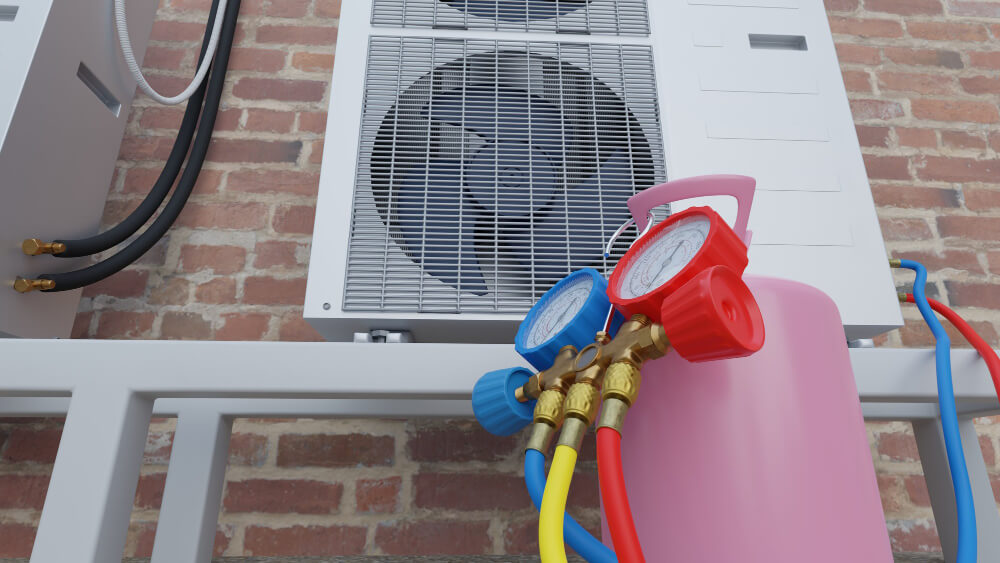
Changing your air filters regularly is the easiest and most impactful thing you can do. Seriously, it's like giving your AC a fresh pair of lungs! A dirty filter makes your system work overtime, huffing and puffing, which wears it out faster. I once forgot to change my filter for far too long, and when I finally pulled it out, it looked like a small, fuzzy monster had taken up residence. My AC immediately breathed a sigh of relief!
2. How Hard Does It Work?
This one's pretty intuitive. An AC unit in a sweltering desert climate, running almost constantly from May to October, is going to experience more wear and tear than one in a cooler, milder region that only kicks on for a few weeks a year. It's like asking a marathon runner to sprint every single day versus someone who enjoys a leisurely jog twice a week. The marathon runner will probably need new shoes (or parts) more often!
3. Installation Quality: The Foundation Matters
A properly installed system from the get-go is paramount. If your AC wasn't sized correctly for your home, or if the ductwork is leaky, it's like trying to run a race with your shoelaces tied together. The system has to work harder than it should, leading to premature failure. This is why choosing a reputable installer is so important – they lay the groundwork for a long, happy life.
4. The Great Outdoors: Climate's Role
We touched on this, but it's worth emphasizing. Living in a humid coastal area, for example, can expose your outdoor unit to corrosive salt air, which isn't great for its components. Extreme temperatures, whether blazing hot or freezing cold, also put stress on the system. Your AC is tougher than it looks, but it's not invincible against Mother Nature!
5. Unit Quality & Type
Just like cars, not all AC units are created equal. Some brands are known for their durability and robust construction, while others might be more budget-friendly but potentially have a shorter lifespan. Higher-quality components and better engineering often translate to more years of service. It's often a case of "you get what you pay for."
Why Should You Even Care, Anyway? (Besides the Obvious!)
Okay, so you know the factors. But beyond avoiding a sweaty, grumpy household, why should you really pay attention to your AC's expected lifespan?

1. Say Goodbye to Surprise Meltdowns (and Hello to Comfort!)
Imagine this: It's the hottest day of the year, you're hosting a backyard BBQ, and suddenly, your AC sputters, groans, and goes silent. Panic! Being aware of your unit's age and general health allows you to anticipate potential issues. You can plan for replacement rather than facing a costly emergency repair or, worse, an emergency replacement in the middle of a heatwave. No one wants to spend their summer vacation frantically calling HVAC techs!
2. Wallet Wellness: Saving Money in the Long Run
An aging AC system isn't just prone to breaking down; it's also likely to be less efficient. Think of it as an old car that's guzzling gas. An inefficient AC means higher energy bills, slowly but surely draining your wallet. Knowing when it's time to upgrade allows you to invest in a new, energy-efficient model that will save you money on utilities for years to come. It’s like finding a crumpled twenty-dollar bill in an old jacket, every month!
3. Planet Perks: Being a Green Guru
Newer AC systems are designed with much higher energy efficiency ratings (look for that SEER number!). Replacing an old, inefficient unit not only saves you money but also reduces your carbon footprint. You'll be doing your part for the planet, one cool, comfortable room at a time. It’s a win-win!

Signs Your AC Might Be Waving a White Flag
So, how do you know if your beloved AC is nearing the end of its journey? Here are a few tell-tale signs:
- It's Old: If your unit is pushing past the 10-15 year mark, it's wise to start thinking about its future.
- Frequent Repairs: Are you and your HVAC technician on a first-name basis? If minor repairs are becoming a regular thing, it might be time for a bigger conversation.
- Skyrocketing Energy Bills: If your monthly electricity bill is suddenly looking like a phone number, your inefficient AC could be the culprit.
- Strange Noises: Grinding, clanking, hissing, or screaming sounds are definitely not part of the normal AC symphony.
- Uneven Cooling: One room is an ice box, the other feels like a sauna. Your system might be struggling to distribute air effectively.
- Weak Airflow: The air coming out of your vents feels more like a gentle whisper than a powerful breeze.
The Takeaway: Be Proactive, Not Reactive!
Understanding how long your AC system lasts isn't just about technical specs; it's about smart homeownership, maximizing your comfort, and saving your hard-earned money. By taking care of your system with regular maintenance, being mindful of its age, and watching for warning signs, you can enjoy many more years of cool, blissful comfort.
So, go ahead, give your AC unit a silent nod of appreciation. Maybe even check that filter today. It's working hard for you, and a little attention can make all the difference in its long, happy life!