
How Long Does A Windmill Last
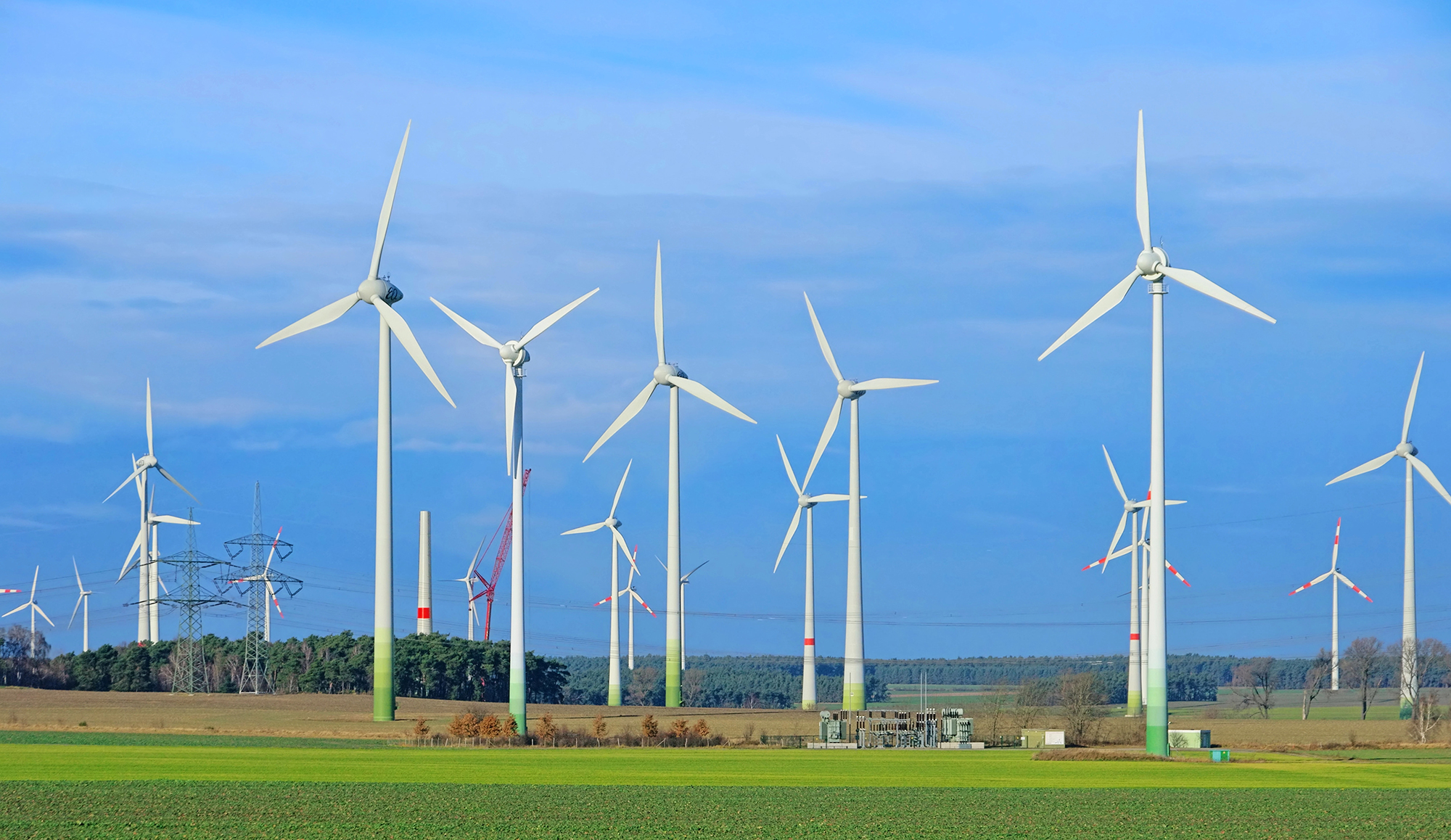
Ever gazed at a majestic wind turbine spinning gracefully on the horizon and wondered, "How long does that big ol' thing actually last?" It’s a bit like looking at a really well-maintained vintage car and asking, "Will that still be running in another 50 years?" You might be surprised by the answer, and why it actually matters to all of us!
Let's rewind a bit to the windmills of yesteryear. Think of those iconic Dutch windmills or the rustic ones pumping water on farms. These sturdy, old-school structures, often made of wood and stone, were built to last a very long time. With regular care – a fresh coat of paint, replacing a worn sail, tightening a bolt here and there – they could easily serve for centuries. We're talking about generations passing down the maintenance manual!
Imagine your grandma's cast-iron skillet. With proper seasoning and care, it’s practically indestructible, right? Those traditional windmills were the cast-iron skillets of their day: simple, robust, and designed for repair, not replacement. They embodied a different era of engineering, focusing on endurance and manual upkeep.
Must Read
But the modern wind turbine? Ah, that’s a different beast entirely. We're talking about towering structures, often taller than skyscrapers, with blades longer than airplane wings, packed with sophisticated electronics, gearboxes, and generators. They're not just grinding grain; they're generating electricity for thousands of homes! They are the high-tech, precision instruments of our energy future.
So, how long does one of these sleek, modern giants last? Generally speaking, a contemporary wind turbine is designed to have an operational life of about 20 to 25 years. That's the sweet spot where they're most efficient and cost-effective. Sometimes, with meticulous maintenance and a bit of luck, they can even push past 30 years, like a trusty old car that just keeps on purring!
Think about your smartphone or a really good laptop. You might use it for 3-5 years before an upgrade starts looking pretty tempting, partly because technology moves so fast, and partly because things just naturally wear out. Wind turbines are similar in that they operate under immense stress, constantly battling the elements and the sheer physics of converting wind into power. That’s a tough gig!
What Makes a Wind Turbine Last Longer (or Shorter)?
It's not just a roll of the dice; several factors play a huge role in a turbine’s longevity:
-
Wind, Wind, Everywhere: Believe it or not, too much constant, strong wind can actually shorten a turbine's life. Like running a marathon every single day, it puts more stress on the components. Gentler, consistent winds are often kinder in the long run. It's about finding that Goldilocks zone!
How long is the lifespan of wind turbines? | Business Norway -
TLC (Tender Loving Care): Regular maintenance is crucial. Technicians often rappel down those giant towers, checking every bolt, lubricant, and electronic sensor. Think of it like your car's oil changes and tune-ups – skip them, and you’re asking for trouble!
-
Built to Last: The quality of engineering and materials matters immensely. A well-designed turbine with robust components from the get-go will always outlast one made with cheaper, less durable parts. It’s the difference between a custom-built house and a pop-up tent.
-
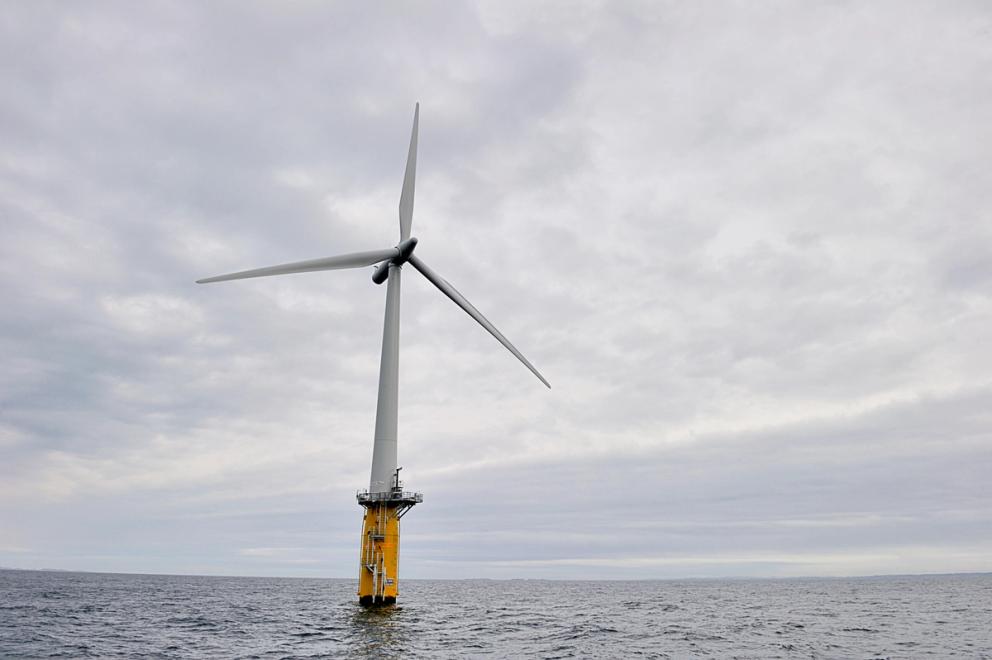
Where It Lives: Turbines located offshore, exposed to salty sea air and harsh storms, generally face tougher conditions than those nestled inland. Location, location, location isn't just for real estate; it's for wind power too!

How Long do Wind Turbines Last? (2024)
Why Should We Care How Long a Windmill Lasts?
Okay, so it lasts 20-25 years. Big deal, right? Actually, it's a huge deal, and here’s why:
First, it impacts your energy bill. The longer a turbine runs efficiently, the more cost-effective it becomes. When these giants generate power reliably for decades, it helps stabilize electricity prices for all of us. It’s like buying a durable appliance that you know won't need replacing for a long, long time – smart budgeting for the entire power grid!
Second, and perhaps most importantly, it's all about our beautiful planet Earth. Wind energy is clean and renewable. The longer a turbine produces clean electricity, the less we rely on fossil fuels, which means less pollution and fewer greenhouse gases in our atmosphere. Every extra year of operation is a win for cleaner air and a healthier planet. It's like giving Earth a super long, happy retirement!
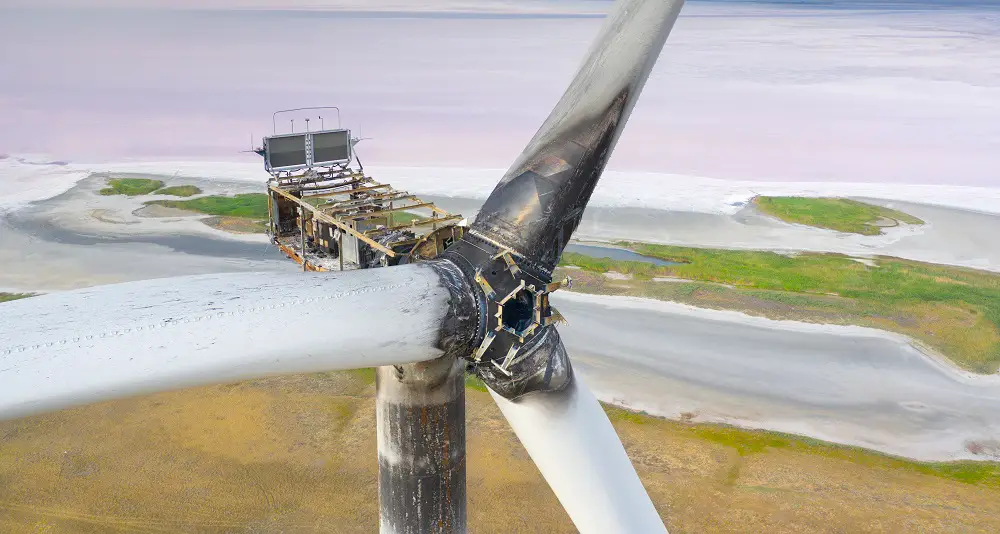
And let's not forget about resource management. When a turbine needs replacing, it involves manufacturing new parts and disposing of old ones. Extending the lifespan means less waste and less demand for new materials, making the entire renewable energy cycle even more sustainable. It’s about being thoughtful stewards of our resources.
Plus, it's just plain cool! Knowing that these feats of engineering can stand tall and powerful for decades, tirelessly harnessing the wind, is a testament to human ingenuity. It's a quiet hum of progress on the horizon, reminding us that a sustainable future is not just possible, but already here, spinning away.
The next time you spot a wind turbine, give it a little nod of appreciation. It's not just a giant fan; it's a hard-working, long-lasting champion of clean energy, doing its part for our power supply and our planet, one spin at a time. And with ongoing advancements, who knows? Future turbines might even outlast us!