Let's talk about the unsung hero of your well system: the pressure tank! It's that big, usually blue (or sometimes gray) tank sitting near your well pump, quietly doing its job. But like everything else in life, it won't last forever. So, how long can you expect this faithful companion to stick around?
The Great Pressure Tank Lifespan Estimation Game
Alright, buckle up, because giving an exact lifespan for a pressure tank is like predicting the weather a year from now – possible, but with a huge margin of error! We're talking a range, folks, a spectrum of existence from "barely out of diapers" to "historical artifact." Generally, a well-maintained pressure tank can last anywhere from 5 to 15 years.
Think of it like a car. A fancy sports car driven hard and put away wet might not last as long as a sensible sedan driven gently and regularly maintained. Same principle applies here!
Now, let's dive into the juicy details of what influences that lifespan:
Water Quality: This is a biggie! Water that's heavily loaded with sediment, iron, or other minerals is like sandpaper for your tank's insides. It'll wear things down much faster than nice, clean water.
How Long Does It Take For A Well Pump To Fill A Pressure Tank at Joel
Imagine trying to wash your car with mud. Not ideal, right? Same deal with your pressure tank!
Tank Quality: You get what you pay for. A super cheap, bargain-basement tank might not be made with the best materials or construction. Investing in a reputable brand and a good quality tank is like buying a sturdy pair of boots instead of flimsy flip-flops. One's going to last a whole lot longer!
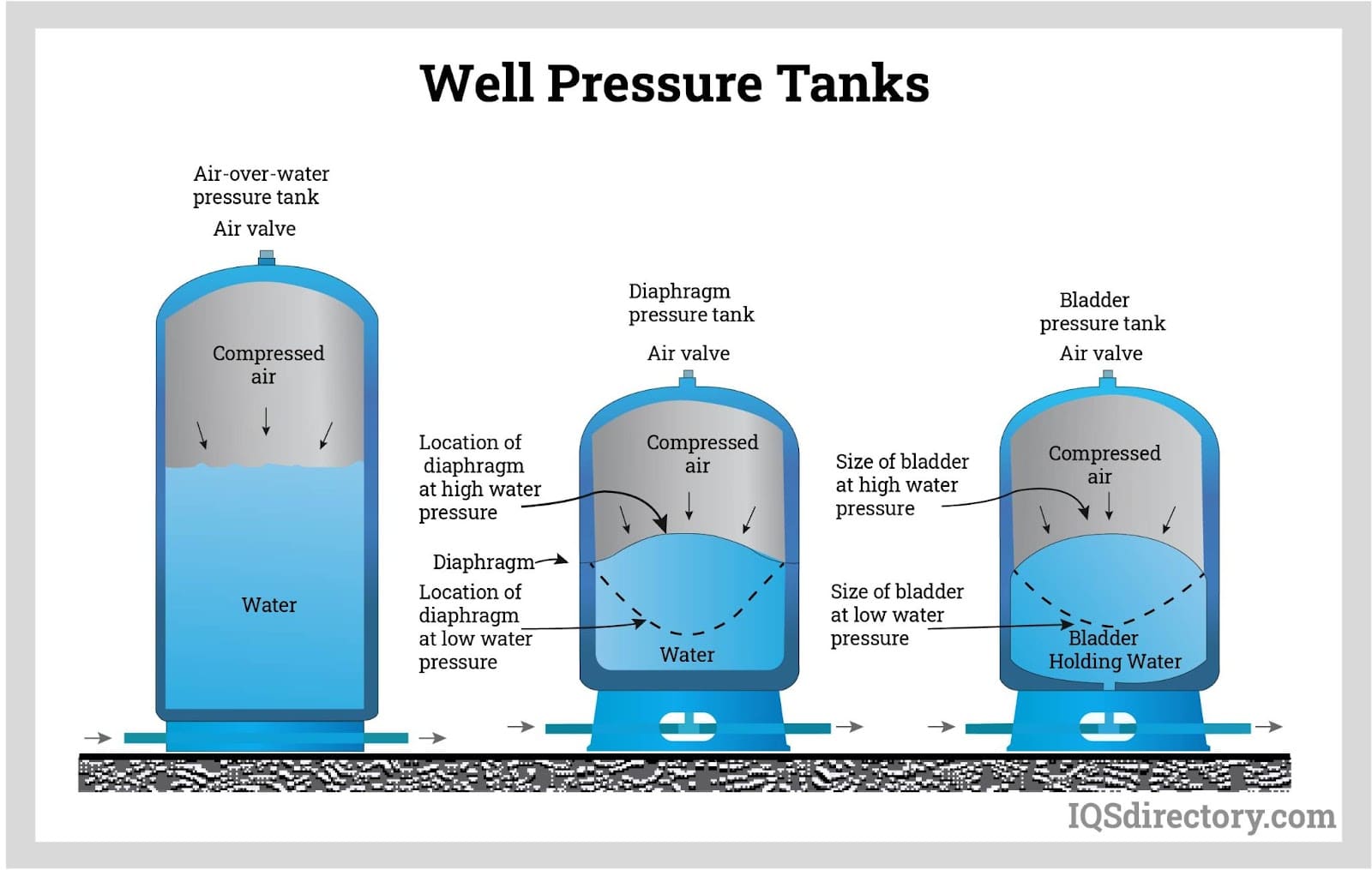
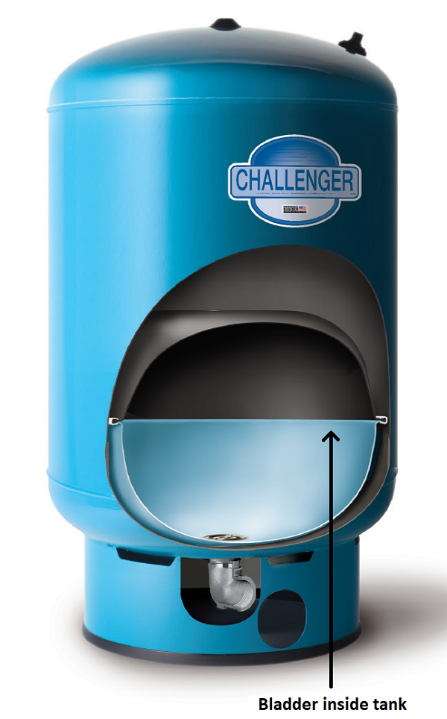
Well Pump Cycles: How often your well pump kicks on and off impacts your pressure tank. If your tank is constantly cycling (pump turning on every few minutes), it's putting a lot of stress on the bladder and other components. This can shorten its lifespan dramatically. Think of it like repeatedly sprinting a marathon – exhausting!
How Long Does A Well Pressure Tank Last? | H2O Equipment Co., Inc.
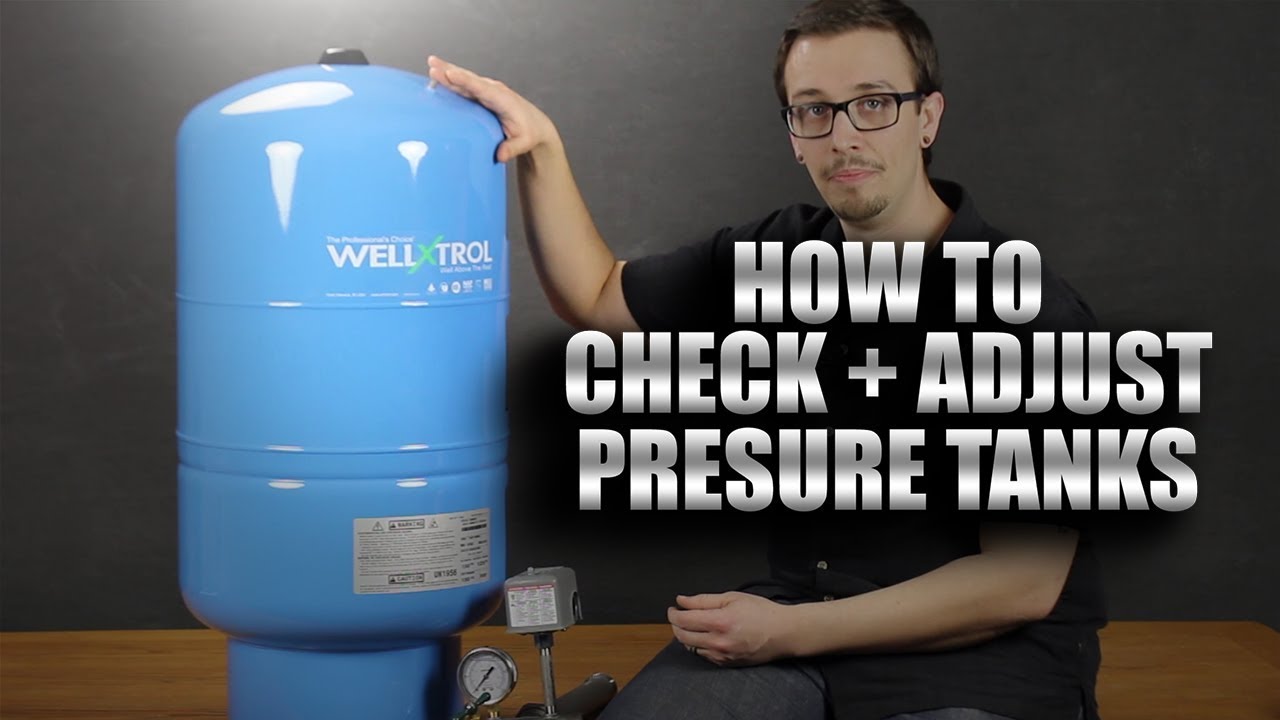
Maintenance (Or Lack Thereof!): Neglecting your pressure tank is like neglecting your teeth. Sure, you can get away with it for a while, but eventually, you'll pay the price. Regular maintenance, like checking the air pressure in the tank, can significantly extend its life.
Signs of a Pressure Tank's Imminent Demise
So, how do you know when your trusty pressure tank is nearing the end of its road? Keep an eye (and ear!) out for these warning signs:
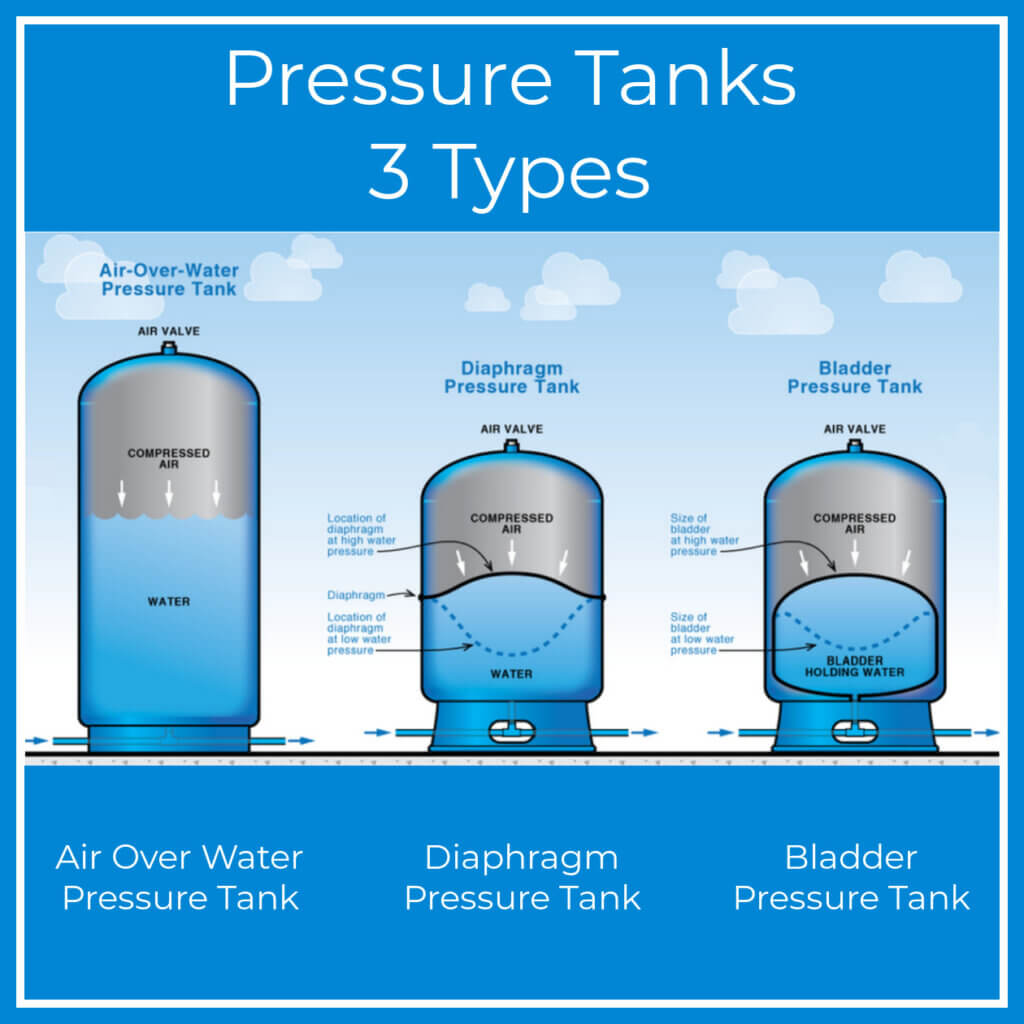
Well Pump and Pressure Tank Diagram Explained
Short Cycling: As mentioned before, this is a HUGE red flag. If your pump is constantly turning on and off, it could indicate a problem with the tank's bladder or air charge.
Waterlogged Tank: If your tank feels heavy and full of water, even after the pump has shut off, it could mean the bladder has failed. This is like having a flat tire – the tank isn't doing its job properly.
Rusty Water: If you suddenly start getting rusty-colored water from your taps, it could be a sign that the tank's lining is deteriorating. Not exactly the refreshing beverage you were hoping for!
No Water Pressure: This one's pretty obvious. If you turn on the tap and nothing comes out, or the pressure is extremely weak, your pressure tank might be the culprit.
If you notice any of these signs, it's time to call a qualified well professional. Don't try to be a superhero and tackle it yourself unless you're absolutely sure you know what you're doing. Water systems can be tricky, and you don't want to accidentally flood your basement or, worse, injure yourself.
The Bottom Line (And a Bit of Encouragement)
While you can't predict the future with certainty, understanding the factors that affect your pressure tank's lifespan and keeping an eye out for warning signs can help you get the most out of your investment. Remember, proper maintenance and choosing a quality tank are key to keeping your water flowing smoothly for years to come. So, take care of your pressure tank, and it'll take care of you (by providing you with lovely, pressurized water)!
And hey, even if your tank does eventually need replacing, don't fret! It's a normal part of well ownership, and replacing it will give you peace of mind knowing that your water system is in top shape. Think of it as giving your well system a little spa day!