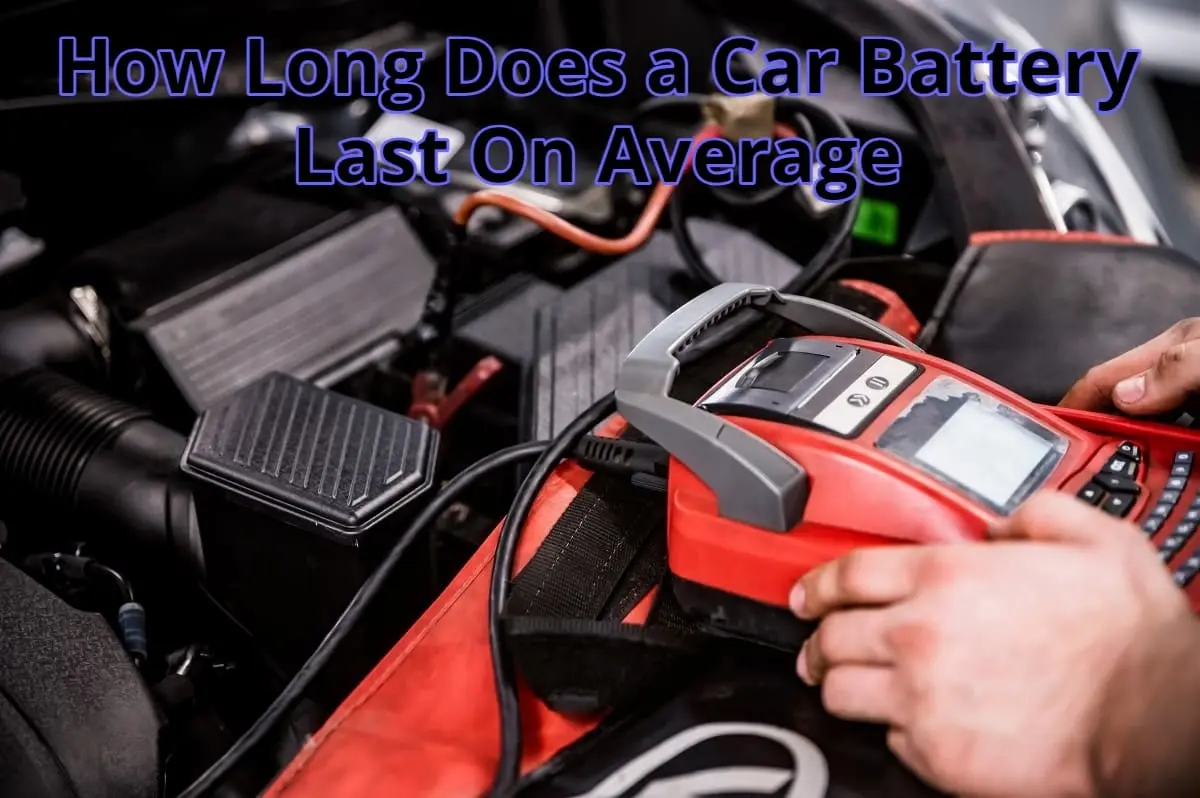
How Long Does A Car Battery Last Without Charging

Alright, let's talk car batteries. We all know the feeling, right? That little twinge of dread when you turn the key, and... nothing. Just that awful clicking sound. But have you ever stopped to wonder, like really wondered, just how long your car battery could actually survive without a recharge? It's kind of like asking how long you could hold your breath – the answer is, "it depends!" And the "depends" are actually pretty interesting.
The Great Battery Drain: What's Sucking the Life Out of It?
Think of your car battery like a rechargeable AA. It's got a finite amount of juice, and everything from leaving your headlights on (we've all been there!) to that fancy aftermarket stereo system is constantly trying to drain it. Even when your car is off, there's what's called a "parasitic draw." This is all the little electronic things – the alarm system, the clock, even the car's computer – that are sipping power in the background. It's like having tiny, invisible energy vampires!
So, how long can it last? Well, a healthy car battery in a car with minimal parasitic draw could potentially sit for 2-4 weeks without being driven before it's too weak to start the engine. But that's under ideal conditions. Reality? Usually a bit less rosy.
Must Read
Factors That Play a Role: It's Not One-Size-Fits-All
Think of it this way: a brand new, high-performance battery in a car that's barely used is like a marathon runner who just carb-loaded. It's got energy to spare! On the other hand, an old battery in a car packed with electronics is more like that same marathon runner after mile 20 – struggling and desperately needing a boost.
Here are some of the big factors that influence your battery's stamina:

- Age of the Battery: This is huge! Batteries, like us, get weaker with age. A brand new battery is obviously going to hold a charge much longer than one that's been around for 4 or 5 years.
- Temperature: Extreme temperatures, both hot and cold, are terrible for batteries. Think of extreme heat as accelerating the battery's internal breakdown and cold as slowing down the chemical reactions necessary to produce power.
- Parasitic Draw: As mentioned earlier, those little energy vampires can really add up! The more gadgets and gizmos your car has, the bigger the draw.
- Battery Type: Different types of batteries (like AGM vs. traditional lead-acid) have different capacities and discharge rates. AGM batteries, for example, generally handle deep discharges better.
- Driving Habits: Short trips, where the alternator doesn't have enough time to fully recharge the battery, are particularly draining.
So, you might be thinking, "Okay, great, a million variables! How am I supposed to know anything?" Good question!
Signs Your Battery is Getting Weak: Listen to Your Car!
Your car will usually give you some warning signs before it completely throws in the towel. Think of these as little SOS signals. Keep an eye (and ear) out for these clues:

- Slow Engine Cranking: Does it take longer than usual for the engine to turn over? This is a classic sign of a weakening battery.
- Dim Headlights: Do your headlights look dimmer than usual, especially when the engine is idling?
- Warning Lights: The battery warning light on your dashboard is a pretty clear indication that something's not right. Don't ignore it!
- Strange Electrical Issues: Are you experiencing weird glitches with your radio, power windows, or other electrical components?
If you notice any of these signs, it's time to get your battery checked by a professional. Many auto parts stores offer free battery testing. Think of it as a quick health check-up for your car's power source!
Extending Your Battery's Lifespan: A Few Pro Tips
Want to keep your battery happy and healthy? Here are a few simple things you can do:
- Regularly Drive Your Car: Even short trips are better than nothing! Give your alternator a chance to do its job.
- Turn Off Accessories: Make sure you turn off your headlights, radio, and other accessories when you turn off the engine.
- Keep the Battery Clean: Corrosion on the battery terminals can interfere with its performance. Clean them regularly with a wire brush and a baking soda solution.
- Consider a Battery Maintainer: If you're not going to be driving your car for an extended period, a battery maintainer can keep the battery topped off and prevent it from draining completely. It's like a slow, gentle drip of power.
The Bottom Line: Don't Leave it to Chance!
Ultimately, there's no magic number for how long a car battery will last without charging. It all depends on the individual circumstances. But by understanding the factors that influence battery life and paying attention to the warning signs, you can avoid that dreaded "click, click, click" and keep your car running smoothly. So, next time you think about your car battery, remember it's not just a metal box; it's the heart that keeps your electrical system pumping!