How Long Do You Need To Charge A Car Battery

Ever wondered how long it really takes to charge a car battery? It might seem like a mundane detail, but understanding the ins and outs of car battery charging can save you from a roadside headache and maybe even give you a deeper appreciation for the tech powering your vehicle. Plus, it's just plain interesting to know how different factors can impact the charging time, from the type of charger you're using to the temperature outside.
So, what’s the point of understanding car battery charging times? Well, the primary benefit is avoiding a dead battery situation! Imagine this: you're running late, hop in your car, turn the key… and nothing. Knowing how long it takes to recharge a battery, or even top it off after a short drive, allows you to proactively maintain your battery's health and avoid those inconvenient moments. Beyond avoiding breakdowns, understanding charging times can also inform your decisions about purchasing a battery charger. Do you need a rapid charger for emergencies, or will a slower, more trickle-charging approach suffice?
Think about it: in automotive classes, students are taught the importance of battery maintenance, including proper charging techniques and understanding voltage and amperage. This knowledge is crucial for diagnosing electrical issues and ensuring vehicles are running efficiently. In everyday life, this understanding translates into more informed decisions. For example, if you know your battery is weak, you might plug it into a charger overnight to ensure it's ready for your morning commute. Or, if you accidentally left your lights on, you'll have a better idea of how long you need to charge it to get back on the road.
Must Read
The actual charging time depends on a few key factors. First, the state of the battery: a completely dead battery will obviously take longer to charge than one that's only partially depleted. Second, the type of charger matters. A trickle charger, designed to slowly replenish a battery, might take 12-24 hours or even longer to fully charge a dead battery. On the other hand, a higher-amperage charger could do the job in just a few hours. Third, the battery's size and capacity will influence the charging time. A larger battery simply holds more charge and will require more time to fill. Finally, ambient temperature can play a role; extreme cold can slow down the charging process.
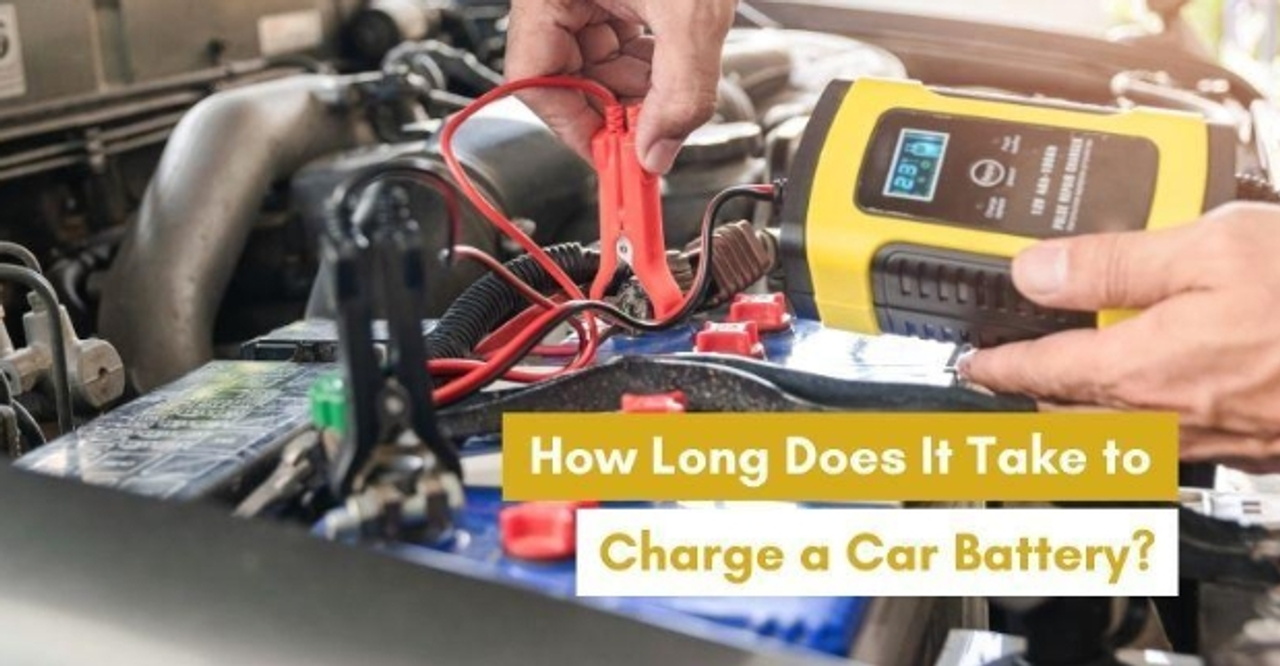
So, how can you explore this further? A simple way is to check your car battery's voltage with a multimeter. This gives you a baseline of its health. Then, use a battery charger and monitor the charging progress. Note the time it takes to reach a full charge and compare it to the charger's specifications. You can even experiment with different chargers, if you have access to them, to see how the charging times vary. Another fun exercise is to research different types of car batteries (lead-acid, AGM, lithium-ion) and compare their charging characteristics. Understanding these basic principles empowers you to take better care of your vehicle and avoid those dreaded dead battery surprises. Remember, a little knowledge goes a long way when it comes to car maintenance!