
How Long Do Washed Eggs Last In The Refrigerator
:max_bytes(150000):strip_icc()/how-long-do-fresh-eggs-last-4859426-v1-49ff5eb7a392441e91fdede92a09a55b.png)
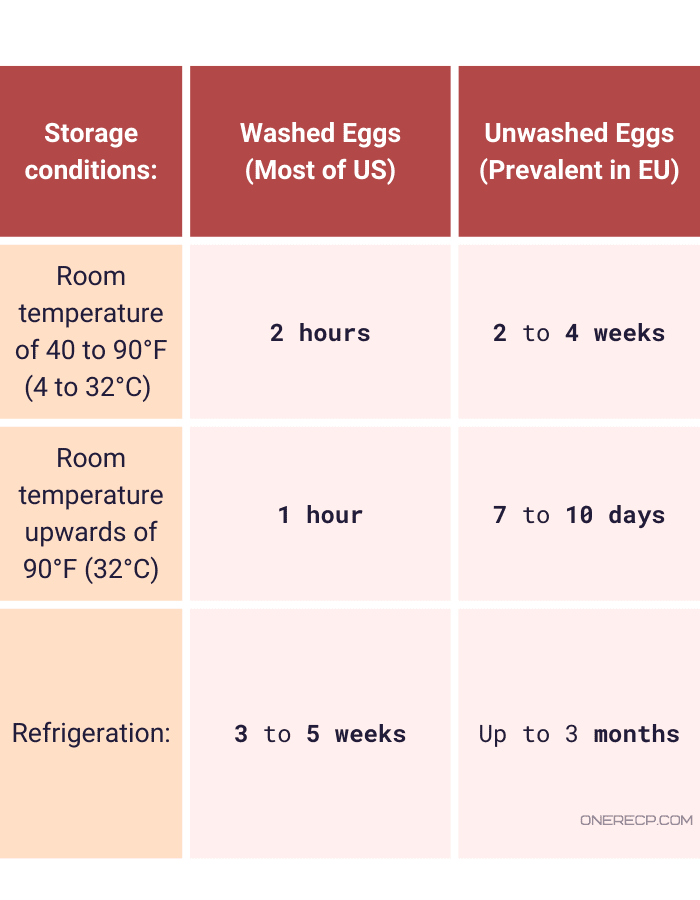
Let's talk eggs. Specifically, washed eggs. How long really do they last?
The official answer is probably boring. Think weeks. Maybe a month.
The Official Line: Weeks, Maybe More?
Experts (yawn) say properly refrigerated, washed eggs can last for several weeks. They will drone on about the sell-by date. As if that's some kind of magical deadline.
Must Read
They also talk about "quality." Apparently, eggs slowly decline. Shocker!
The Fridge Door Dilemma
Where do you keep your eggs? The fridge door? That's a danger zone. Temperature fluctuations galore!
Maybe it's time to relocate them. The middle shelf is your friend.
But let’s be honest. Nobody wants to move stuff around. It is a bit of a hassle.
My Unpopular Opinion: Forget the Dates!
Okay, here it comes. My scandalous, potentially food-safety-violating opinion.
I don't really pay attention to the dates. I know, I know. I'm living on the edge.
I use my senses! Gasp!
The Sniff Test: Your Best Friend
The sniff test is your ultimate weapon. Crack the egg into a bowl. Give it a good whiff.
Does it smell like...egg? You're probably good.
Does it smell like sulfur? Or something vaguely rotten? Toss it! Don't even think twice.
Trust your nose. It rarely lies (unless you have a cold).

The Visual Inspection: The Backup Plan
If you're still unsure, give the egg a good once-over. Look for anything unusual.
Discoloration? Weird textures? Maybe skip that omelet.
Runny whites are fairly normal. But anything truly bizarre is a red flag.
A grey or greenish egg white indicates spoilage from bacteria. Do not consume!
The Reality: We've All Been There
Let's be real. We've all cracked open a questionable egg. Maybe it was slightly off. Maybe it was downright offensive.
It's part of life! The egg life, that is.
Don't beat yourself up. Just learn from the experience. And maybe sniff the next one a little harder.
The Scramble Scenario
Imagine this: you're making scrambled eggs. You crack one in. It looks...okay.
You crack another. Whoa! That one is definitely bad. What do you do?
My advice? Throw the whole thing out. The questionable egg may have contaminated the others.
Better safe than sorry! Nobody wants a stomach ache.
The Baked Goods Exception
Now, baking is a different story. Eggs are often used as a binder. Or for leavening.

If you're baking something and the eggs are nearing their expiration date, use them! The heat will kill any potential nasties.
Plus, who can resist a freshly baked cake? Even if it contains slightly older eggs?
The Bottom Line: Use Your Judgment
So, how long do washed eggs really last in the refrigerator? It depends!
The "official" answer is weeks. But the "real" answer is: use your judgment.
Trust your senses. Sniff. Look. And when in doubt, throw it out. Food poisoning is no fun.
The "Expiration Date" Myth
Let's debunk the "expiration date" myth. These dates are often just suggestions. Not hard and fast rules.
Manufacturers want you to buy more stuff. So, they err on the side of caution.
Don't be a slave to the date. Use your brain!
The Freshness Factor
Of course, the fresher the egg, the longer it will last. But even "fresh" eggs can go bad.
So, always be vigilant. Even with brand-new eggs.
They can also be affected by how they have been transported and stored.
The Storage Secret
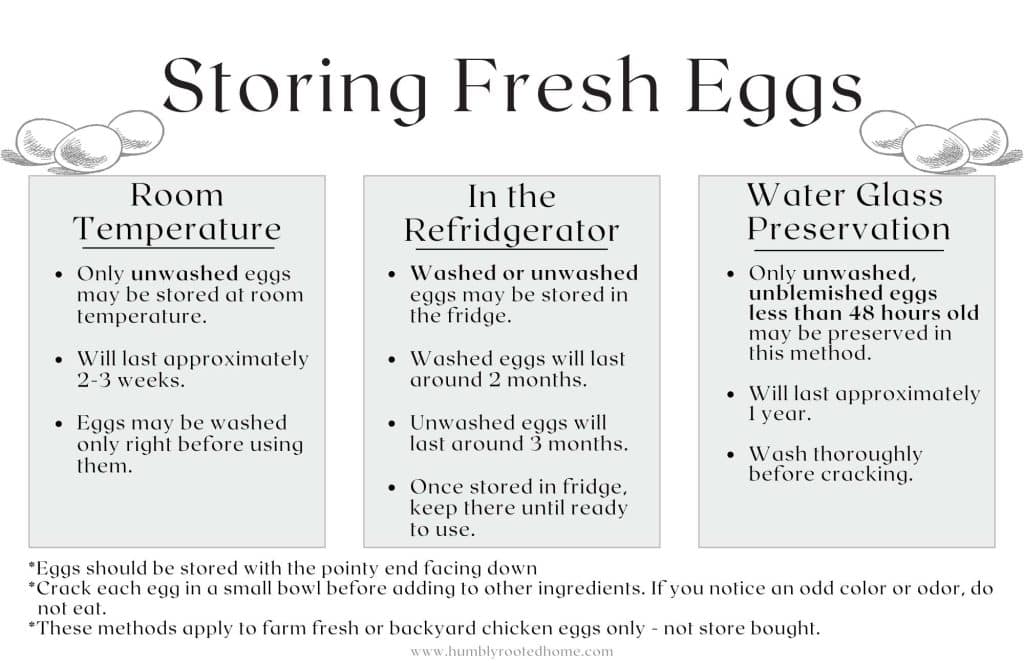
Proper storage is key to extending the life of your eggs.
Keep them in their original carton. This helps prevent them from absorbing odors from other foods.
And store them in the coldest part of your refrigerator. Not the door!
The Shell Game
Did you know that the eggshell is porous? It allows air and moisture to pass through.
That's why it's important to store eggs properly. To minimize exposure to air and odors.
Also make sure the shells are clean and free of any cracks or damage.
The Upright Position
Some people say you should store eggs with the pointy end down. This helps keep the yolk centered.
I'm not sure if it makes a huge difference. But it can't hurt!
The most important thing is to keep them cold and in their carton.
The Great Egg Experiment
Want to conduct your own egg experiment? Go for it!
Buy a carton of eggs. Store them in the refrigerator. And track how long they last using the sniff test.
Share your results with me! I'm always curious to hear other people's experiences.
The Floating Egg Test
There is also the floating egg test. Put your egg in a glass of water. If it sinks and lies flat, it's fresh. If it sinks but stands on one end, it’s getting old but still good to eat. If it floats, throw it away.
This test works because as an egg ages, moisture and carbon dioxide leave through the pores of the shell and air enters to replace them. The air increases the egg's buoyancy and causes it to float.
However, the float test is not perfect, so always use other methods like the sniff test as well.
The Yolk Color Test
Yolk color is also something you can consider. It's influenced by the hen's diet.
A darker yolk may indicate a more nutrient-rich diet. While it doesn't directly relate to freshness, it can indicate egg quality.
Just something extra to consider when you are trying to work out if you should use the egg or not.
Final Thoughts: Embrace the Egg
Eggs are a kitchen staple. Versatile, delicious, and packed with protein.
Don't be afraid of them. Just respect them. And use your common sense.
Happy egg-eating!
Disclaimer: Use Common Sense
This article is for entertainment purposes only. I am not a food safety expert.
Always use common sense when handling and consuming eggs.
If you have any concerns, consult with a qualified professional. Stay safe!