How Long Do Tankless Hot Water Heaters Last
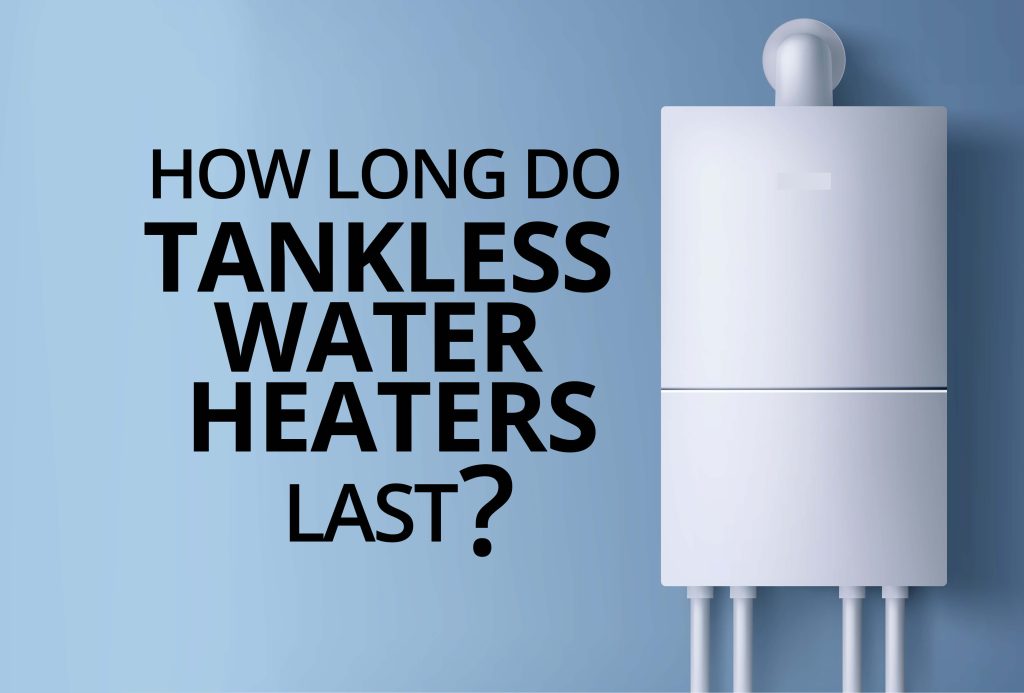
Ever been singing your heart out in the shower only to be met with a blast of icy water? We've all been there! That's why understanding hot water heaters is surprisingly relevant, and today we're diving into the world of tankless models. Specifically, we're going to explore: How long do tankless hot water heaters actually last? It's a question that can save you some serious headaches (and cold showers) down the road.
So, what’s the big deal with tankless water heaters? Unlike traditional tanks that constantly heat a reservoir of water, tankless heaters, also called "on-demand" heaters, only heat water when you need it. Think of it like a printer: it only uses ink when you actually print something, rather than keeping a constant supply ready. This on-demand functionality offers some compelling benefits. First and foremost, you get an endless supply of hot water. Imagine never having to schedule showers around each other! Secondly, they're generally more energy-efficient than tank heaters because they aren't constantly reheating a large volume of water. Finally, they take up considerably less space, often being wall-mounted and smaller than their tank-based counterparts.
Where might you encounter these marvelous devices? You'll find them increasingly in homes, especially in renovations or new construction, where space is at a premium. They are also used in commercial settings like restaurants, where a constant and reliable hot water supply is crucial for dishwashing and sanitation. Even schools are adopting them. Picture a science lab needing immediate hot water for an experiment, or the school kitchen ensuring consistent sanitation – tankless heaters rise to the occasion.
Must Read
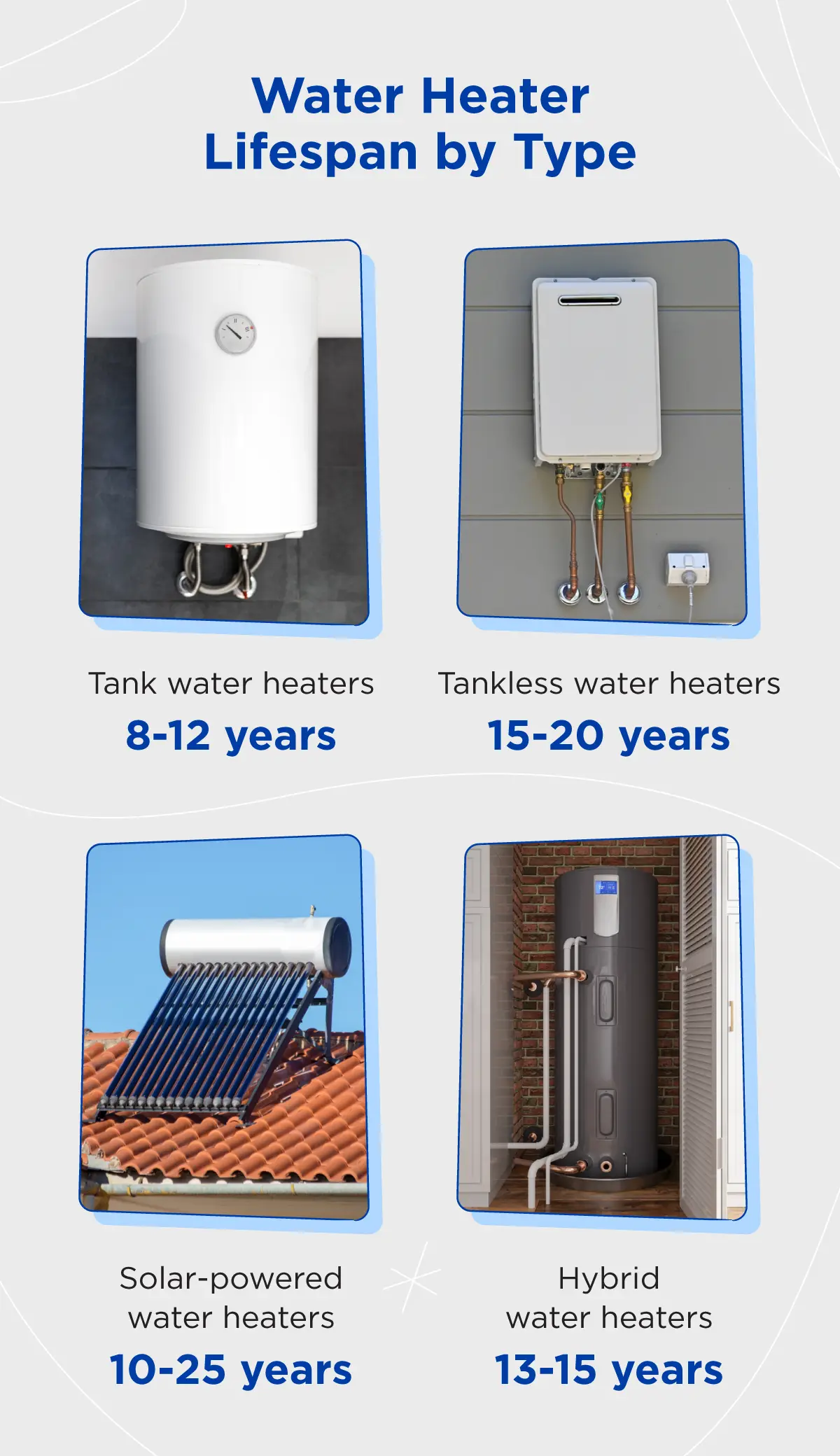
Now, let's get to the core question: How long do they last? Generally speaking, you can expect a tankless water heater to last significantly longer than a traditional tank heater. While tank heaters typically need replacing every 10-15 years, a well-maintained tankless water heater can easily last 20 years or more. This longevity is due to their design, which minimizes the corrosive effects of constantly heating and storing water. However, lifespan isn't a guarantee. Like any appliance, proper care is vital.
So, how can you ensure your tankless heater goes the distance? Here are a few practical tips:
- Regular Descaling: Hard water is the enemy. Minerals can build up and reduce efficiency and lifespan. Descaling, or flushing the system with a descaling solution, is crucial. Consult your owner's manual for the recommended frequency.
- Professional Maintenance: Annual check-ups by a qualified plumber can identify potential issues before they become major problems. They can inspect components, check for leaks, and ensure proper operation.
- Proper Installation: A correctly installed unit will operate more efficiently and reliably from the start. Don't skimp on this step!
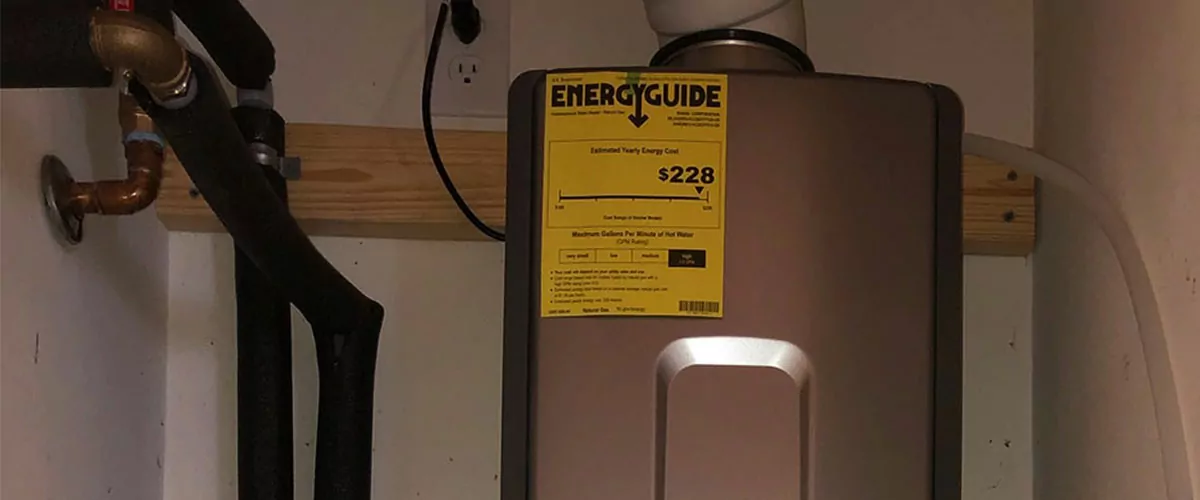
Curious to learn more? Start by checking your current water heater. Is it a tank or tankless model? Read the manufacturer's information – often found on a sticker – to understand its specifications and maintenance recommendations. If you're considering upgrading, research different brands and models, and read online reviews. You could even call a local plumber for a consultation to discuss your specific hot water needs. Understanding the lifespan of your hot water heater, and how to extend it, empowers you to make informed decisions and avoid those dreaded cold shower surprises. So, go forth and conquer the world of hot water!