
How Long Do Septic Tanks Usually Last

Alright, settle in, grab another imaginary cappuccino, because we're about to dive into a topic that nobody really wants to discuss, but everyone who has one absolutely needs to know: How long do septic tanks actually last?
It's like asking how long your weird Uncle Barry's toupee will last – the answer is always, ahem, "it depends." But unlike Uncle Barry's questionable hairpiece, the lifespan of your septic tank is something you can actually influence. And trust me, you'll want to, because the alternative is… well, let's just say it involves a very bad day for your lawn and your nose.
The Great Septic Lifespan Mystery: Unraveled!
So, cut to the chase: how long are we talking? Are we talking a few years? A decade? Or can these subterranean unsung heroes actually outlive some marriages and most pet goldfish?
Must Read
The short, less-than-satisfying answer is usually anywhere from 15 to 40 years, sometimes even 50 or more. See? Wide range! That's because several factors are playing a very important, very smelly game of roulette with your septic system's longevity. Let's break down the main culprits and champions.
What’s It Made Of, Anyway?
First up, material matters! Think of it like buying a car; a rusty old banger from the 70s probably won't last as long as a brand-new, gleaming SUV. Same principle, just with more… effluent.
-
Concrete Tanks: The Indestructible Grandpas
These are your classic, sturdy workhorses. Concrete tanks are built to last, often clocking in at 20 to 40 years, sometimes even 50+ if they're well-maintained and didn't get a bad batch of concrete. They're heavy, they're robust, and they generally just sit there doing their job without a fuss. Like a good grandpa, really.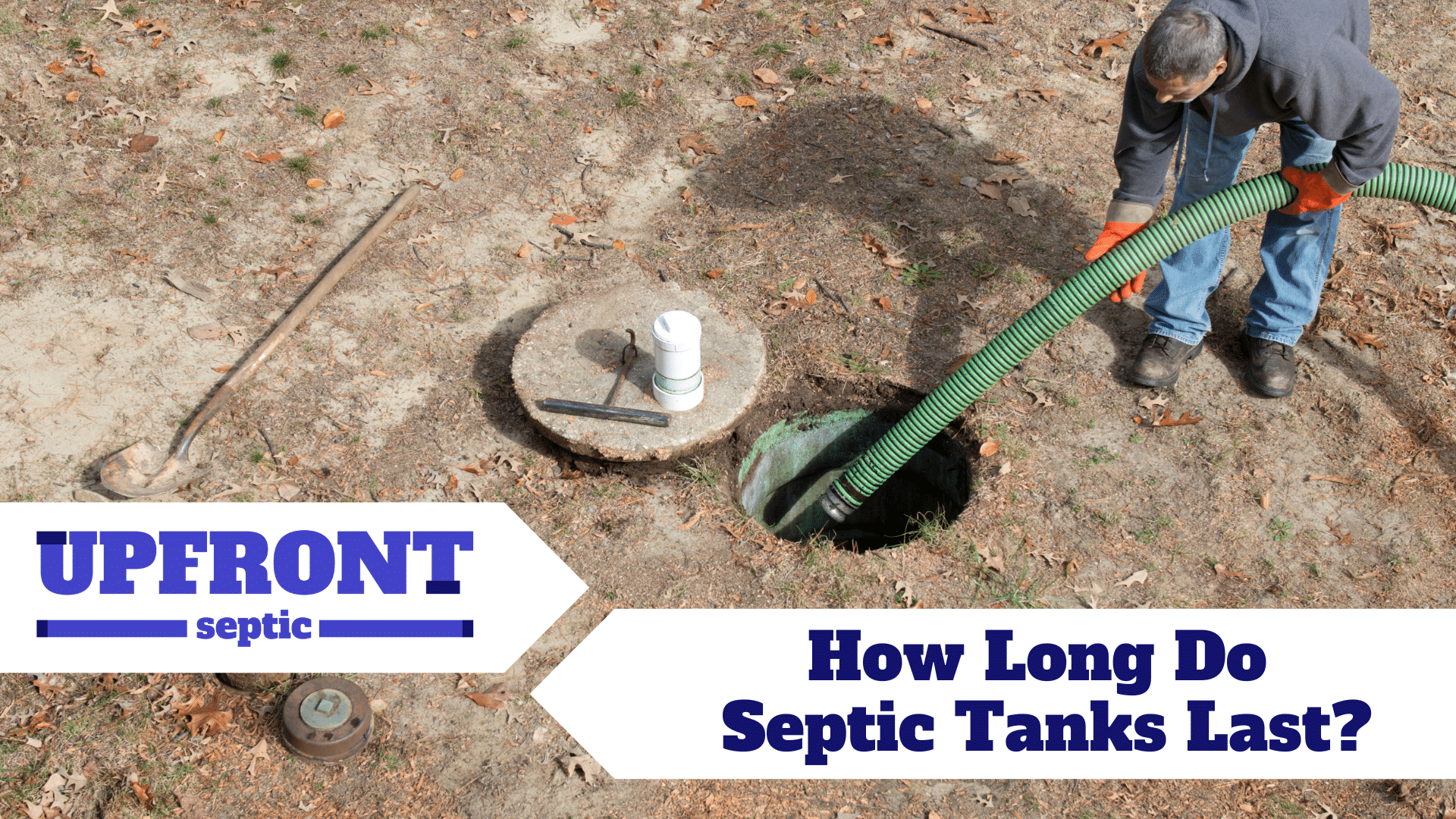
How Long Do Septic Tanks Last? - Upfront Septic & Plumbing -
Plastic/Fiberglass Tanks: The New Kids on the Block
These lighter, often more affordable options are gaining popularity. They don't corrode, which is a big plus. With good installation and proper care, you can expect these to last anywhere from 30 to 50 years. They're the millennials of the septic world – modern, flexible, and trying to prove their worth. -
Steel Tanks: The Rusty Relics (Mostly Retired)
If you have an old steel tank, bless your heart. These were popular back in the day, but steel rusts. A lot. Their lifespan is typically much shorter, often only 15 to 25 years before they start to degrade, leak, and generally become a problem. If you’ve got one, it might be time for an upgrade. Think of them as the flip phones of septic tanks – they served a purpose, but their time has passed.
Installation: The Foundation of Longevity
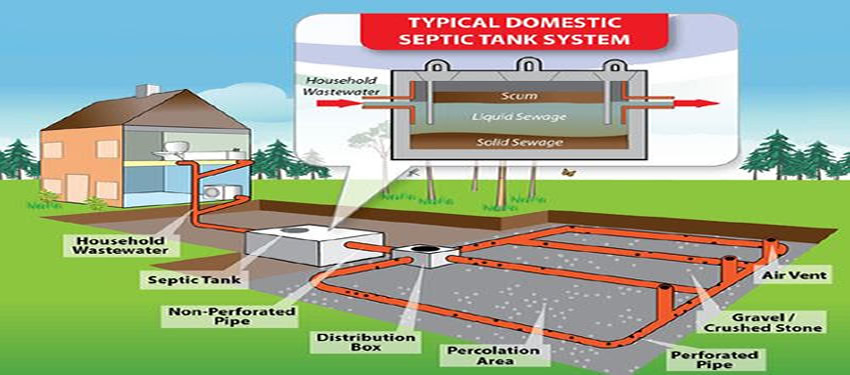
A septic tank is only as good as its installation. A shoddy install is like building a house on quicksand – eventually, things are going to get messy. If it wasn't level, if the soil wasn't prepped correctly, or if the piping isn't quite right, you could be looking at problems much sooner than expected. Always, always, always get a reputable installer!
The Golden Rule: Maintenance, Maintenance, Maintenance!
Okay, this is where you, the homeowner, become the superhero of your septic system. Neglecting your septic tank is like never changing the oil in your car and then wondering why it sputtered out on the highway. Your tank needs love, attention, and most importantly, to be pumped regularly.
Most experts recommend pumping every 3 to 5 years, depending on the tank size and household usage. This removes the solid sludge that builds up at the bottom, preventing it from overflowing into your drain field – which, trust me, is a much more expensive problem to fix than a routine pump-out.
Think of it as giving your septic tank a spa day. A really, really gross spa day.
What You Put Down There Matters (A Lot!)
Your septic tank is not a magical black hole for anything you want to disappear. It's a delicate ecosystem of bacteria working hard to break down waste. Dumping harsh chemicals, excessive grease, non-biodegradable items (wipes, feminine hygiene products, cat litter – please no!), or even too much antibacterial soap can wreak havoc on those helpful bacteria. Stick to toilet paper and human waste. That's it. Your septic tank will thank you by not throwing a smelly fit.

Signs Your Septic Tank Might Be Throwing in the Towel
Even the toughest tanks eventually show their age. Keep an eye (or nose) out for these red flags:
-
Standing water or soggy spots in your yard: Especially near the tank or drain field. It's like your lawn is crying, but with much nastier tears.
-
Foul odors: Around the tank, drain field, or even inside your house. That distinct "rotten egg" or sewage smell is a huge warning sign.
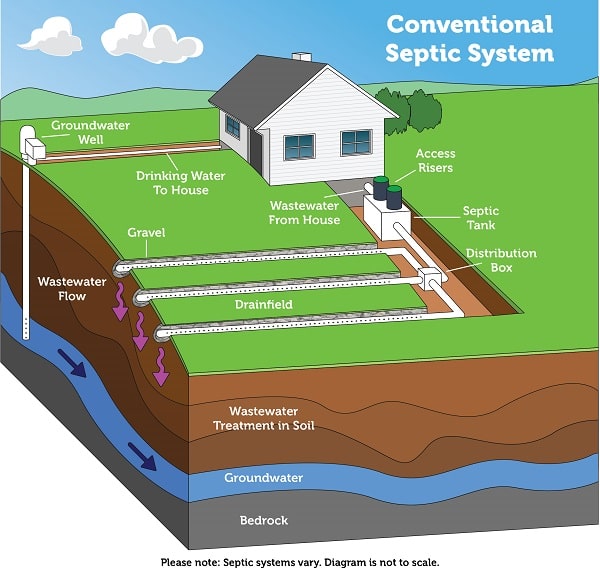
How Long Do Septic Systems Last - Septic Tank Dude -
Slow drains or sewage backups: If your toilet gurgles or your shower drain is perpetually clogged, it could be a septic issue, not just a hairball.
-
Lush, green grass (in patches): While pretty, unusually green, dense patches of grass over your drain field might indicate an excess of nutrients (read: sewage) reaching the surface. It's a little too fertile for comfort.
The Bottom Line: Be a Good Septic Parent
So, how long do septic tanks last? If you picked a decent material, had it installed correctly, and treat it like the crucial, subterranean workhorse it is (meaning regular pumping and mindful flushing), you can reasonably expect your septic tank to last for decades – potentially 30 to 50 years, especially concrete or plastic ones.
It’s an investment, not just in your plumbing, but in not having to explain to your dinner guests why there's an odd smell and a suspiciously damp patch in your backyard. Take care of your septic tank, and it will take care of you. Promise!