How Long Do Nickel Metal Hydride Batteries Last

Remember the satisfying click of your digital camera powering on, ready to capture that perfect sunset? Or the unwavering hum of your child's favorite toy train chugging along the tracks? Chances are, nestled inside, doing their silent but mighty work, were Nickel Metal Hydride (NiMH) batteries. While lithium-ion batteries dominate smartphones and laptops, NiMH batteries remain a reliable and eco-friendlier option for countless devices, especially those requiring consistent power output.
But the big question always lingers: How long do these trusty powerhouses actually last? It's not a simple answer, but understanding the factors influencing their lifespan can save you money and reduce electronic waste. Think of it like caring for a houseplant – a little attention goes a long way!
For artists and hobbyists, NiMH batteries are invaluable. Imagine a miniature painter relying on a cordless, rechargeable airbrush for intricate details. Consistent power is crucial, and the ability to recharge batteries means less downtime and less environmental impact compared to constantly buying disposables. Similarly, model railroad enthusiasts depend on rechargeable batteries to keep their locomotives running smoothly for hours, creating immersive and captivating layouts. Even amateur photographers benefit from NiMH batteries' reliability in their flash units, ensuring they never miss that fleeting moment.
Must Read
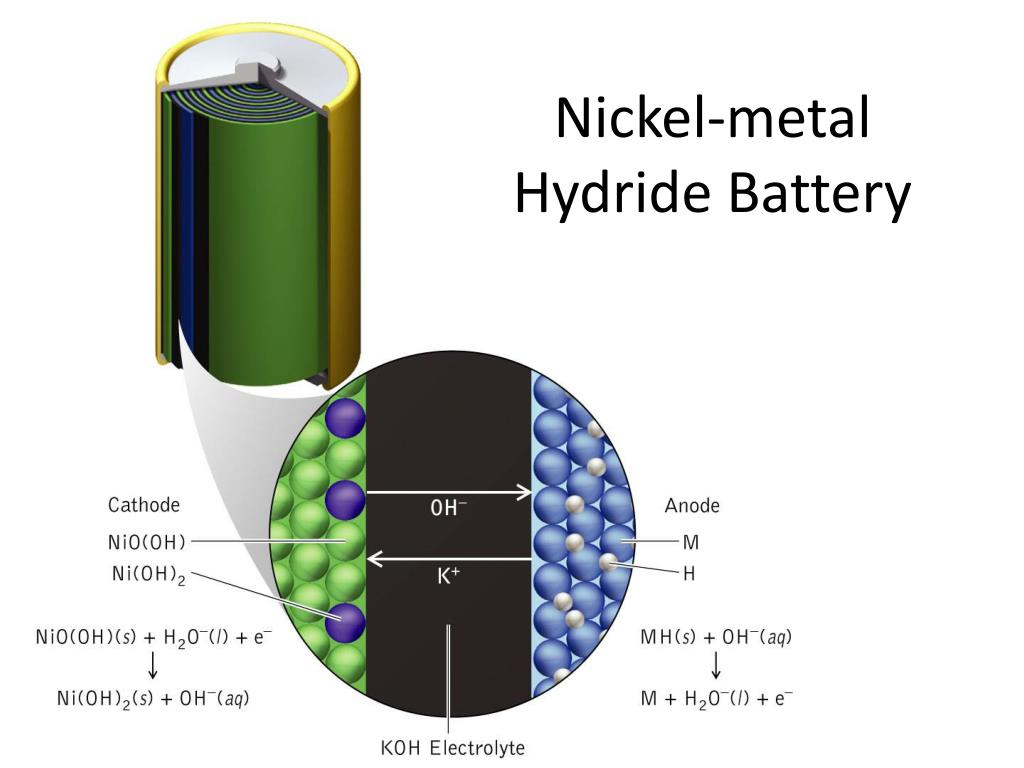
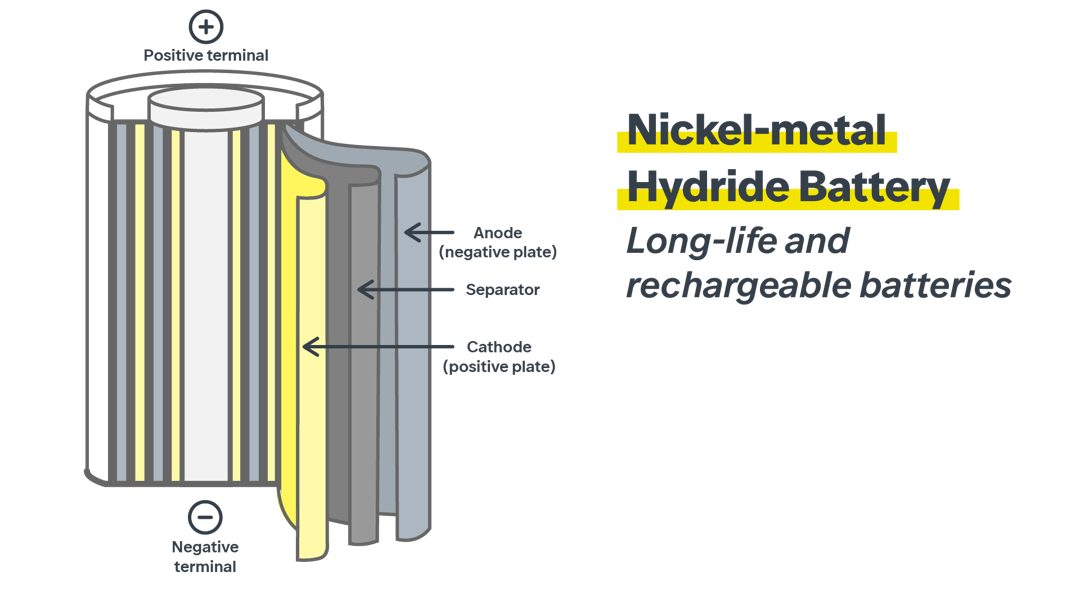
The lifespan of a NiMH battery is typically measured in charge cycles. A cycle is one complete discharge and recharge. A good quality NiMH battery can often withstand hundreds, even thousands, of cycles. However, several factors influence this number. Depth of discharge is a key one. Fully discharging NiMH batteries frequently can shorten their lifespan. It's generally better to recharge them when they're partially depleted. Also, storage conditions matter. Extreme temperatures, both hot and cold, can damage the battery chemistry. Store your NiMH batteries in a cool, dry place.
Let's look at some examples. A remote-controlled car, frequently used and fully discharged after each race, might only yield 500 cycles. In contrast, a battery powering a TV remote, used sparingly and only occasionally recharged, could easily last for over 1000 cycles. Similarly, high-drain devices like digital cameras will impact the battery life more dramatically than low-drain devices like clocks.
Want to maximize the lifespan of your NiMH batteries at home? Here are a few tips: Firstly, invest in a smart charger. These chargers automatically stop charging when the battery is full, preventing overcharging, a major killer of battery life. Secondly, avoid storing discharged batteries for extended periods. Partially charged is better. Thirdly, consider using a battery organizer to keep your batteries neatly stored and prevent accidental short circuits.
Finally, remember that using NiMH batteries is about more than just practicality. It's about embracing a sustainable approach to powering your devices. It's about the satisfaction of knowing you're reducing waste and contributing to a cleaner environment. And, let's be honest, there's a certain quiet joy in knowing you've got a reliable power source ready to go, keeping your favorite gadgets humming along for years to come!