
How Long Do New Refrigerators Take To Get Cold
So, you've got a brand-spankin' new refrigerator! Congratulations! That's a big step up in the world of keeping your leftovers safe and your ice cream rock-solid. But now comes the big question: how long until you can actually trust it with your precious groceries?
Let's dive into the fascinating world of fridge chill-out times, because let's face it, nobody wants warm milk with their cookies. We're talking about the vital mission of getting your fridge from 'fresh off the truck' to 'food-safe haven'.
The Waiting Game: Not as Excruciating as You Think
The general rule of thumb is to give your new fridge about 2 to 24 hours to reach optimal temperature. Yes, that's a pretty broad range! It depends on a few factors, which we'll get into shortly.
Must Read
Think of it like waiting for your favorite streaming show to buffer back in the dial-up days. It felt like forever, right? Well, this is a little faster, promise.
Temperature Tango: The Ideal Chill Zone
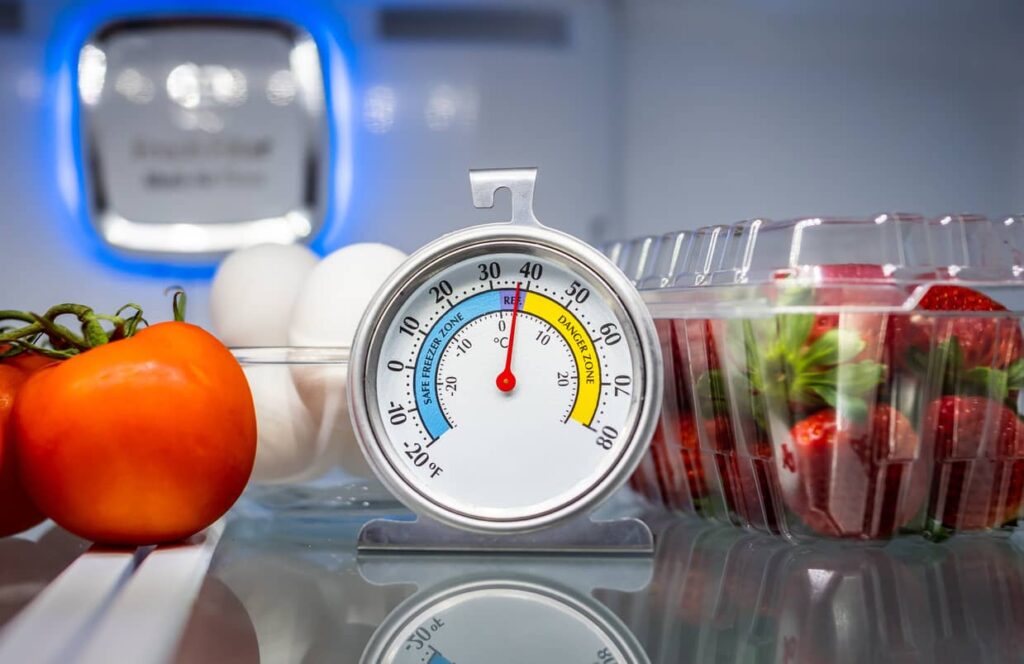
The ideal temperature for your refrigerator is between 37°F (3°C) and 40°F (4°C). That's the sweet spot where food stays fresh, and bacteria growth is significantly slowed down.
Your freezer should be at a brisk 0°F (-18°C). This keeps your ice cream scoop-able (mostly) and prevents freezer burn from turning your frozen peas into icy pebbles.
Before loading up, grab a trusty refrigerator thermometer. Don't rely solely on the fridge's internal display; those can be a little…optimistic, shall we say?
Factors Affecting Fridge Chill Time
Okay, let's break down those factors that influence how long your fridge needs to cool down. Think of them as the supporting cast in your fridge's journey to chill-dom.
The Ambient Temperature: Room Temperature Matters!
If your kitchen feels like a sauna, your fridge will take longer to cool. It's like asking a marathon runner to sprint after just finishing the race. Not gonna happen fast!
The colder the room, the faster your fridge can reach its target temperature. Aim for a comfortably cool kitchen during the initial cool-down phase.
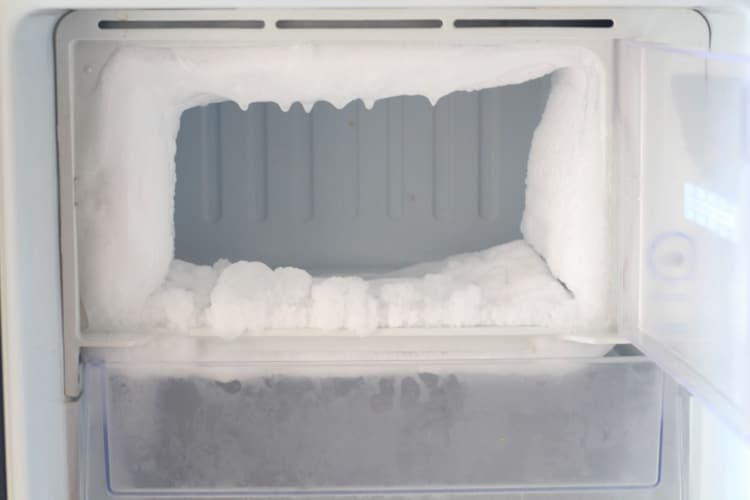
Conversely, if you are in arctic condition, the fridge is not likely to start quickly and the oil in the compressor is more likely to be very viscous. Consider warming up the surrounding before you start the fridge in this case.
Fridge Size: A Tiny House vs. a Mansion
A compact fridge will obviously cool down much faster than a massive, side-by-side behemoth. It's all about volume, baby!
Think of it like filling a bathtub: a small tub fills up much quicker than an Olympic-sized swimming pool.
Fridge Features: Bells, Whistles, and Cooling Power
Some fridges come with fancy features like "fast cool" or "power chill." These are basically turbo boosters for the cooling process. Use them!
These features temporarily lower the set temperature to accelerate the initial cooling, then automatically revert to the normal settings.
It's like having a nitro boost on your fridge. Vroom!
How Full Is It?: Empty vs. Packed Like a Sardine Can
An empty fridge will cool down faster than one crammed with lukewarm soda and half-eaten takeout containers. All those items have mass and have to be cooled down too!
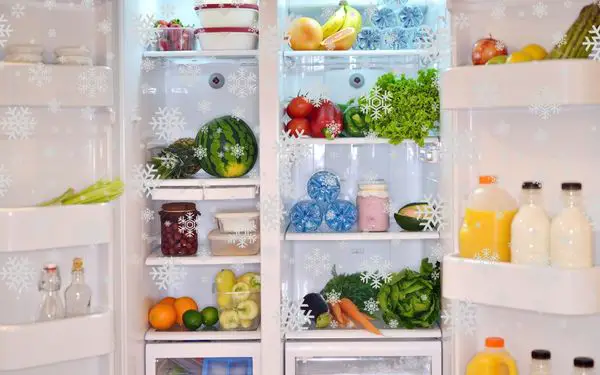
The more you put in, the more work the fridge has to do. So, hold off on that massive grocery haul until it's properly chilled.
Start with a few ice trays and bottled water.
Fridge Type: Old School vs. High Tech
Newer fridges tend to be more energy-efficient and may cool down slightly faster than older models. They've had time to perfect the art of chill!
However, some older models were built like tanks and might surprise you with their cooling prowess. It's a bit of a fridge lottery.
The "Touch Test": Is It Cold Yet?
While a thermometer is the most accurate way to gauge your fridge's temperature, you can also do a quick "touch test." (But seriously, use a thermometer.)
Feel the walls and shelves inside the fridge. They should feel noticeably cool to the touch, not just slightly less warm than the room. This will at least tell you that your fridge is doing something.
If you can still feel residual warmth, give it more time. Patience is a virtue, especially when it comes to keeping your food safe.
Speeding Up the Process (Safely!)
Want to help your fridge along? Here are a few tips to speed up the cooling process, without resorting to questionable tactics like sticking it in a walk-in freezer.
Give It Space: Airflow is Key
Make sure your fridge has adequate space around it for proper ventilation. Don't shove it right up against the wall or cram it into a tight corner.
Air needs to circulate around the coils to dissipate heat efficiently. Think of it like needing room to breathe during a workout.
Pre-Chill Items: Give Your Fridge a Break
If you have a lot of items to put in the fridge, pre-chill them in a cooler with ice packs first. This reduces the load on your fridge during the initial cool-down phase.
It's like giving your fridge a head start in the race to freshness.
Avoid Overloading: Gradual Introduction
Don't load up your fridge all at once. Add items gradually, giving the fridge time to adjust to the increased load.
Spread out the grocery unpacking over a few hours. Your fridge will thank you.

Check the Door Seals: Air Leaks Are the Enemy
Make sure the door seals are clean and tight. Leaky seals let warm air in and cold air out, making your fridge work harder and longer.
A simple test: close the door on a piece of paper. If you can easily pull the paper out, the seal isn't tight enough.
The Waiting is the Hardest Part (But Worth It!)
Okay, so you've followed all the steps, and you're still waiting. I know, it's agonizing. You just want to fill it with goodies and enjoy the fruits (and vegetables, and cheeses) of your labor.
But trust me, waiting the appropriate amount of time is crucial for food safety. Nobody wants a fridge full of spoiled food and a case of food poisoning.
So, be patient, monitor the temperature, and resist the urge to peek inside every five minutes (okay, maybe a little peeking is allowed). Your perfectly chilled fridge awaits!
Once your fridge is up and running, enjoy the cool, refreshing embrace of perfectly preserved food. You've earned it!
Happy chilling!