
How Long Do Hvac Systems Last

Okay, picture this: It’s the dog days of summer, humidity is practically a physical entity in the air, and you’re just trying to enjoy a quiet evening indoors. Suddenly, your trusty AC unit – the unsung hero of your home – decides to throw a surprise party for itself… by going absolutely silent. No whirring, no cool breeze, just the oppressive stillness of impending doom. You know that feeling, right? That little clench in your stomach that says, "Oh no, not now. Please, not now!"
I’ve been there. My neighbor, bless his heart, had his ancient furnace kick the bucket right in the middle of a polar vortex last winter. Talk about bad timing! These moments make you really appreciate these crucial climate control machines, but they also bring up a pretty important, and often anxiety-inducing, question: How long are these things even supposed to last? You pour good money into them, you expect them to stick around for a while, but what's the actual deal?
Let's dive into the fascinating, sometimes frustrating, world of HVAC lifespans. Because knowing what to expect can save you a lot of headache (and maybe some emergency funds!) down the line.
Must Read
The Grand Overview: A Decade or Two?
Generally speaking, most HVAC systems aren't built to last forever (bummer, I know). You're typically looking at a range of 10 to 25 years, depending heavily on the specific component, how it's used, and how well it's loved. That's a pretty wide spectrum, so let's break it down a bit further, shall we?
Breaking Down the Big Players
Not all HVAC components are created equal. Think of it like a car; the engine might last longer than the tires, right?
Central Air Conditioners (AC Units):
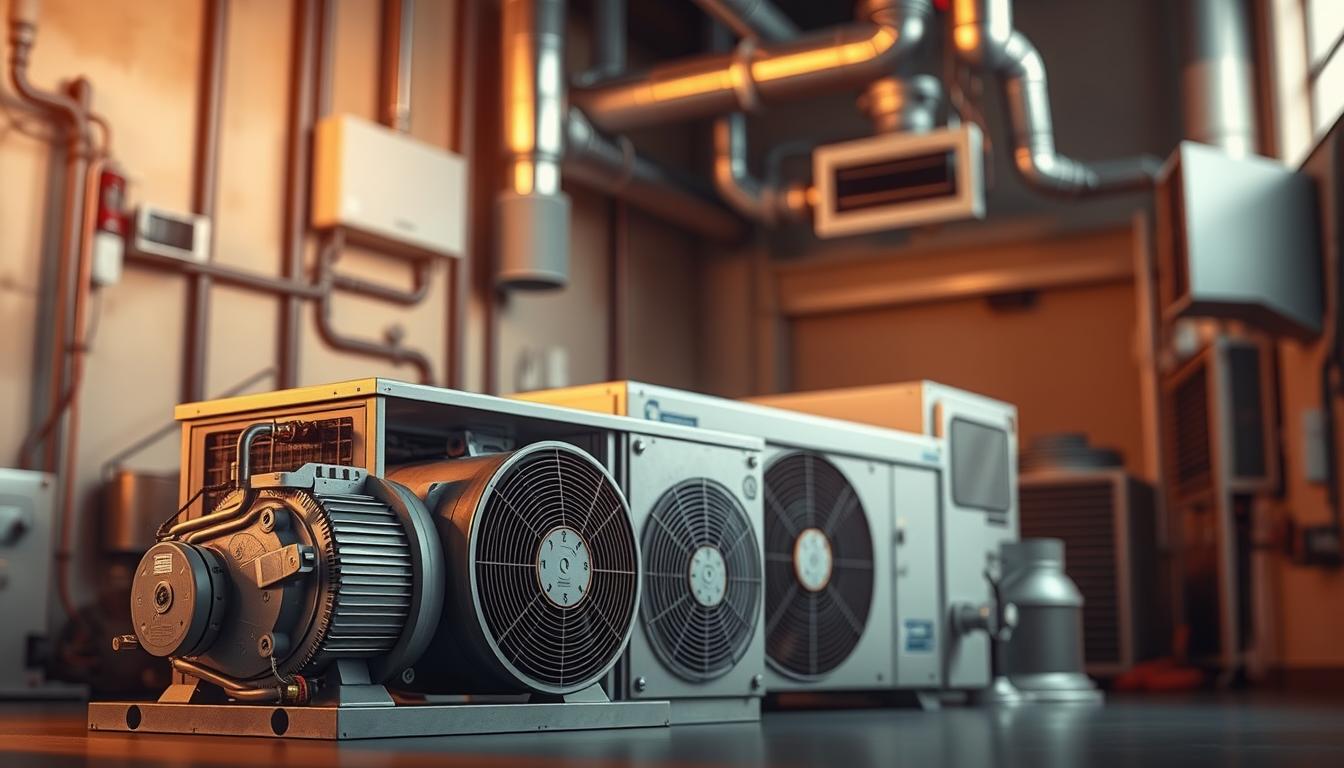
These are often the first to go, especially if you live in a hot climate where they're constantly running. Most central AC units – the outdoor condenser and indoor evaporator coil – typically last between 10 and 15 years. Some hardy souls might stretch to 18-20, but that's less common without impeccable maintenance.
Furnaces (Gas & Electric):
Good news for furnace owners! These usually have a bit more longevity. A well-maintained gas furnace can often hum along for 15 to 20 years. Electric furnaces often have an even longer run, sometimes reaching 20 to 30 years, because they tend to have fewer moving parts and less wear and tear from combustion.
Heat Pumps:
These clever systems handle both heating and cooling, which means they work harder year-round. Because of this dual duty, their lifespan typically falls in the 10 to 15-year range, similar to an AC unit. They're efficient, but that constant operation takes its toll.
Ductless Mini-Splits:
These popular, flexible systems are relatively newer to the mainstream. With proper care, you can expect mini-splits to last around 10 to 15 years, similar to traditional central ACs, but their individual unit design can sometimes mean easier repair or replacement of a single zone.
What Really Dictates the Clock?
So, why does one unit kick the bucket at year 10 while another cruises past 20? It’s not just luck, my friend. There are some serious factors at play:
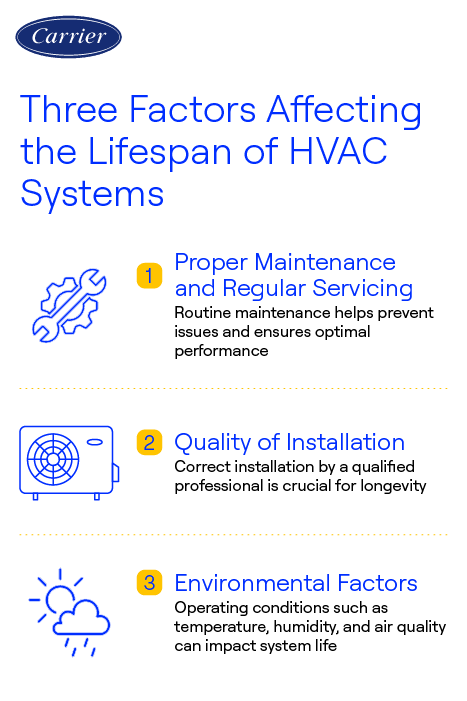
1. Maintenance, Maintenance, Maintenance!
I cannot stress this enough: regular maintenance is the undisputed king of longevity. Think of it like getting oil changes for your car. Skipping annual tune-ups is like asking for trouble. Clean filters, coil cleaning, checking refrigerant levels – these small steps make a huge difference. Seriously, your wallet (and your comfort) will thank you.
2. Usage & Climate
This one's a no-brainer. If you live in scorching Arizona or freezing Minnesota, your system is working harder and longer than one in a milder climate. The more hours your HVAC logs, the faster its components will wear down. It's just simple physics!
3. Installation Quality
This is a biggie that often gets overlooked. A poorly installed system – one that's incorrectly sized, has leaky ducts, or improper refrigerant charge – will struggle from day one. It works harder, breaks down more often, and its lifespan will be dramatically cut short. Don't skimp on a good installer!
4. Sizing Matters
An HVAC system that's too small will run constantly, struggling to keep up. One that's too large will "short cycle," turning on and off too frequently. Both scenarios put undue stress on the system and shorten its life. It’s all about finding that Goldilocks zone.

5. Brand and Quality
Let's be real, some brands just build tougher equipment. While a premium brand doesn't guarantee forever, it often signifies better components and engineering that can withstand more. Sometimes, paying a little more upfront can save you a lot in the long run.
6. Environmental Factors
If your outdoor unit is constantly exposed to salt air (hello, coastal living!), excessive dust, or even too much direct sunlight, it can accelerate wear and tear. Protecting your outdoor unit from extreme elements can make a difference.
When Is It Time to Say Goodbye?
Besides outright failure, how do you know your system is on its last legs? Keep an eye out for these red flags:
- Frequent Repairs: If you're calling the technician multiple times a year, those repair costs start adding up.
- Skyrocketing Energy Bills: An aging, inefficient system has to work harder, guzzling more energy.
- Strange Noises: Grinding, banging, squealing – these are not the gentle hums you want to hear.
- Inconsistent Heating/Cooling: Hot and cold spots in your home mean your system isn't distributing air effectively.
- Age: If your system is well past its typical lifespan, even without major issues, it’s probably living on borrowed time.
Ultimately, knowing how long your HVAC system should last helps you prepare. It’s not about waiting for that dramatic breakdown, but about understanding when it might be time to start thinking about a replacement. A little proactive planning can turn a potential crisis into a smooth transition, keeping your home comfortable for years to come!