
How Long Do Carbon Monoxide Sensors Last
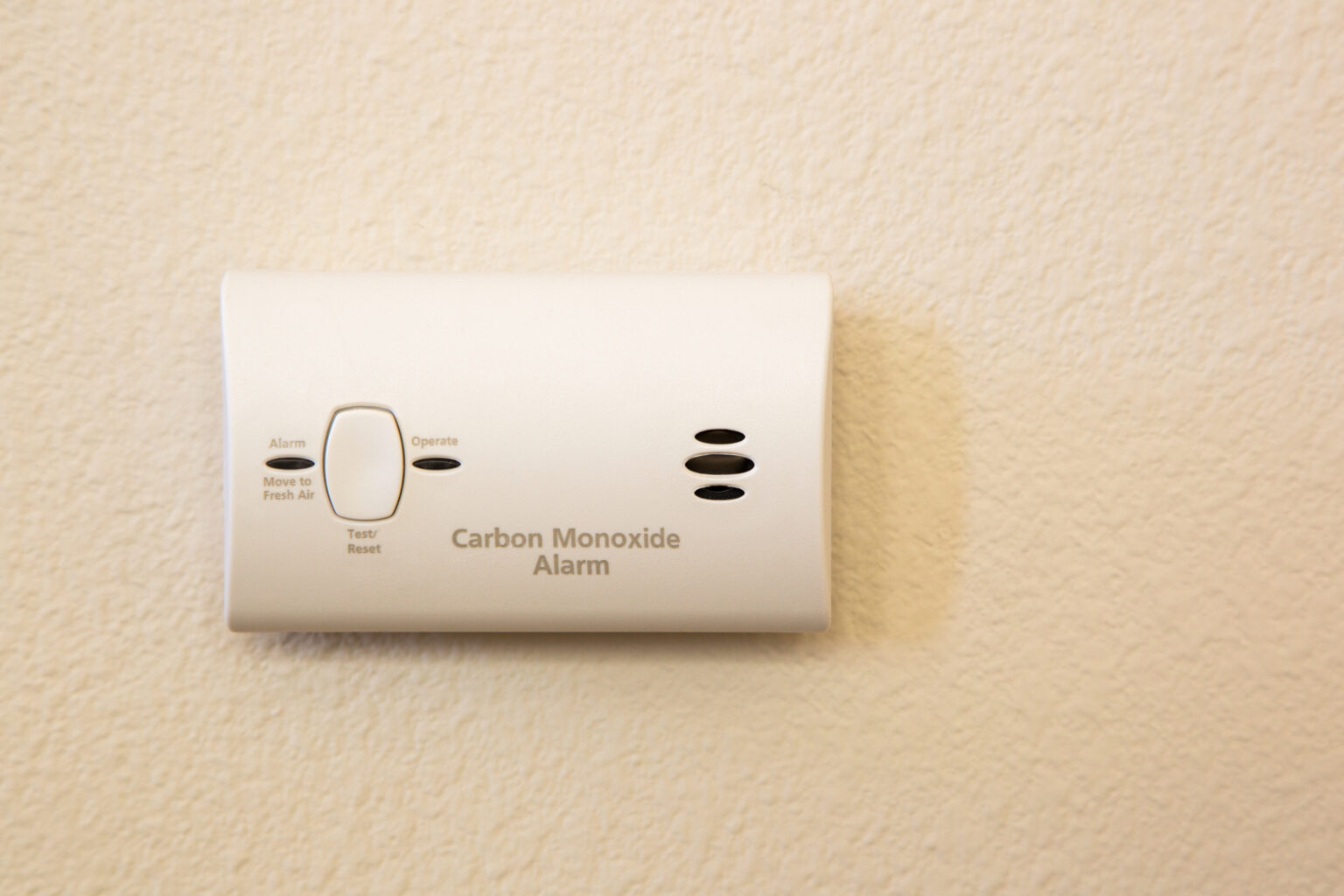
Have you ever thought about the silent guardians in your home?
We're talking about those clever little devices that keep an eye on things you can't see or smell.
Today, we're diving into the wonderful world of carbon monoxide sensors. These aren't just gadgets; they're tiny superheroes!
Must Read
The Invisible Threat: Carbon Monoxide
Imagine a gas that has no smell, no taste, and no color. Sounds like something out of a spy movie, right?
That's exactly what carbon monoxide, or CO, is. It’s a sneaky villain that can show up in your home without any warning.
This invisible gas comes from everyday things like furnaces, gas stoves, or even fireplaces if they aren't working quite right.
Why CO is Such a Sneaky Fellow
CO replaces the oxygen in your blood. This means your body can't get the oxygen it needs to function properly.
Symptoms can feel like a regular flu, but they can quickly become very serious. It's truly a silent danger.
It’s like having a ninja in your house, but one that’s not on your side!
That's why having a carbon monoxide sensor is not just a good idea; it's a vital part of your home safety squad.
Your Home's Tiny Lifesaver
These sensors are always on duty, listening for any sign of that tricky CO gas.
They have special internal components that react to the presence of CO. Think of them as tiny noses that only smell danger.
When they detect a problem, they let out a loud, unmistakable alarm. It’s like a superhero siren, telling everyone to be aware!
It’s an urgent sound that instantly tells you: "Time to investigate, folks!"
Imagine the relief knowing such a guardian is watching over your family, day and night.
The Big Question: How Long Do They Keep Guard?
Now, for the million-dollar question: how long do these amazing little devices last?
It's a really important question, because unlike a smoke detector which you might test more often, CO sensors have a hidden expiration date.
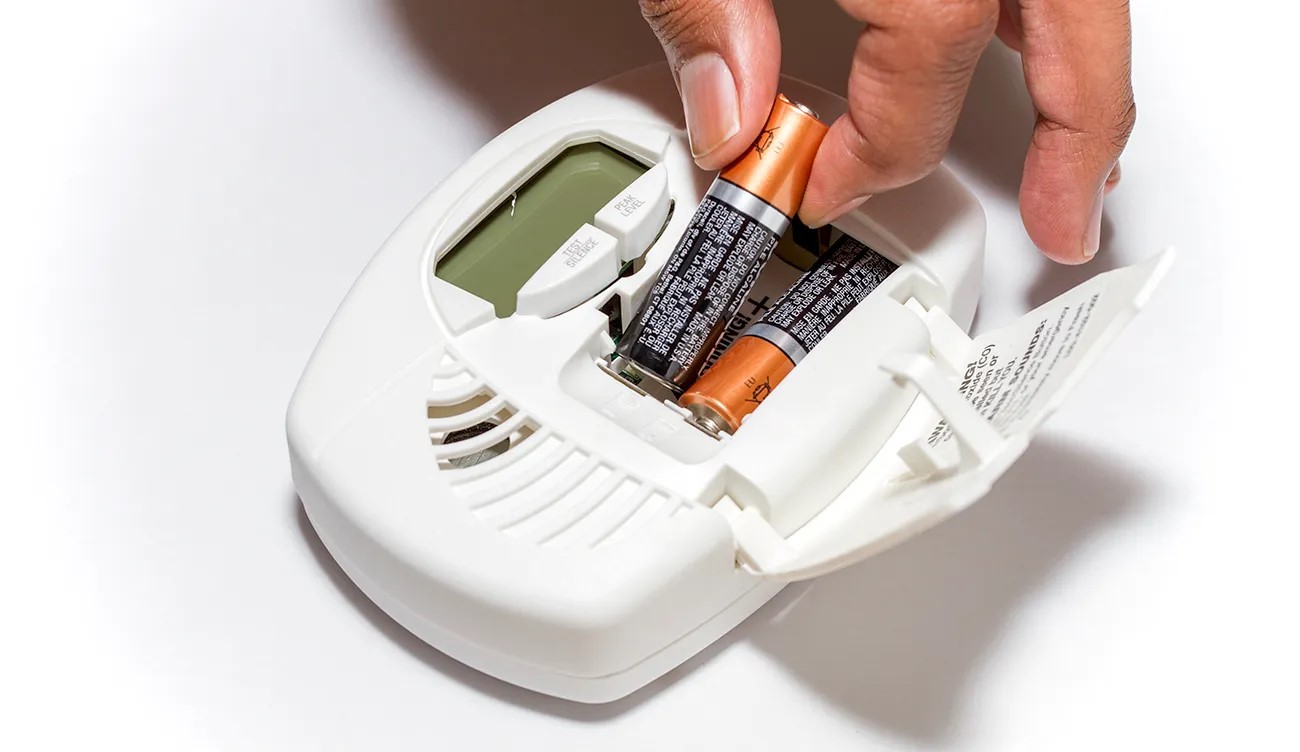
Most carbon monoxide sensors are designed to keep you safe for about five to seven years.
Some newer models might stretch that lifespan a bit, maybe even up to ten years. But that's usually the high end of their trusty service.
It's not a lifelong commitment from one device. Instead, think of it as a series of loyal, shorter missions.
Each sensor gives its absolute best for its time, then gracefully retires for a fresh one to take over.
Why They Don't Last Forever (It's Not Being Lazy!)
You might wonder why they don't last forever, like a sturdy brick wall. Well, it's all about their inner workings.
Inside each sensor is a special chemical or electrochemical cell. This cell is what detects the CO.
Over time, these internal components naturally degrade. It's like a battery slowly running out, even if it's plugged in.
They are working hard every single day, quietly doing their job. All that hard work eventually takes a toll on their delicate detection abilities.
So, it's not that they get tired or bored. Their internal chemistry simply reaches its natural limit.
They truly work tirelessly, processing air, and just like any diligent worker, they eventually need a break... and a full replacement!
So, when it’s time to say goodbye, know it’s for a very good reason. They’ve earned their rest!
The "End-of-Life" Chirp: A Special Message
When your sensor is nearing its retirement, it usually sends you a friendly, but firm, warning.
It often starts making a specific "chirping" sound. This isn't the same as the urgent CO alarm.
This chirp is typically softer and happens less frequently. It's the sensor's way of saying, "Hey, my watch is almost over!"
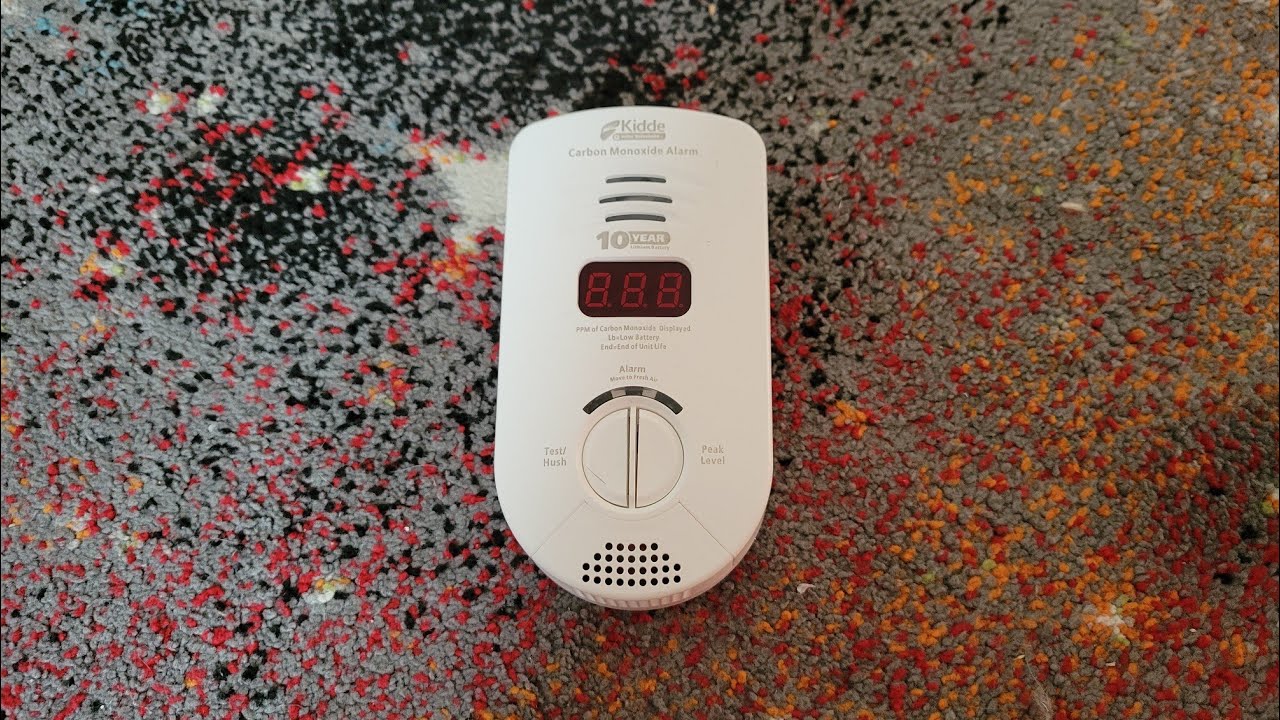
Think of it as a polite little nudge. It’s telling you that it’s time to start looking for a replacement.
It’s not a full-blown emergency, but rather a friendly heads-up from your home's dedicated sentinel.
Ignoring this little chime is like ignoring a subtle signal from your best friend; it's just not wise!
Don't ignore this special message!
Finding the Magic Date: Your Sensor's Birthday
Every carbon monoxide sensor comes with a very important date printed on it. This is its manufacturing date, or sometimes its "replace by" date.
It's often found on the back of the unit. Sometimes you might need to detach it from the wall or outlet to see it clearly.
Look closely for words like "Replace By" or "Do Not Use After". There might also be a small sticker with a date.
This date is your personal reminder. If the date has passed, your sensor is no longer considered fully reliable.
Even if it still seems to be working, its ability to accurately detect low levels of CO might be compromised.
You wouldn't want your personal bodyguard to be just 'mostly' alert, right? Full reliability is key!
A Quick Expedition: Check Your Sensors!
Why not make it a fun little adventure? Grab a small flashlight and go on a treasure hunt for these dates around your home.
It’s a quick task, but it gives you immense peace of mind. Knowing your guardians are up to date feels fantastic!
Keeping an eye on your CO sensor's expiration date is a small action with a huge impact.
It's your ticket to continuous, unwavering home safety.
If you find a sensor past its prime, give it a grateful farewell. It served you well, but now it's time for a fresh recruit.
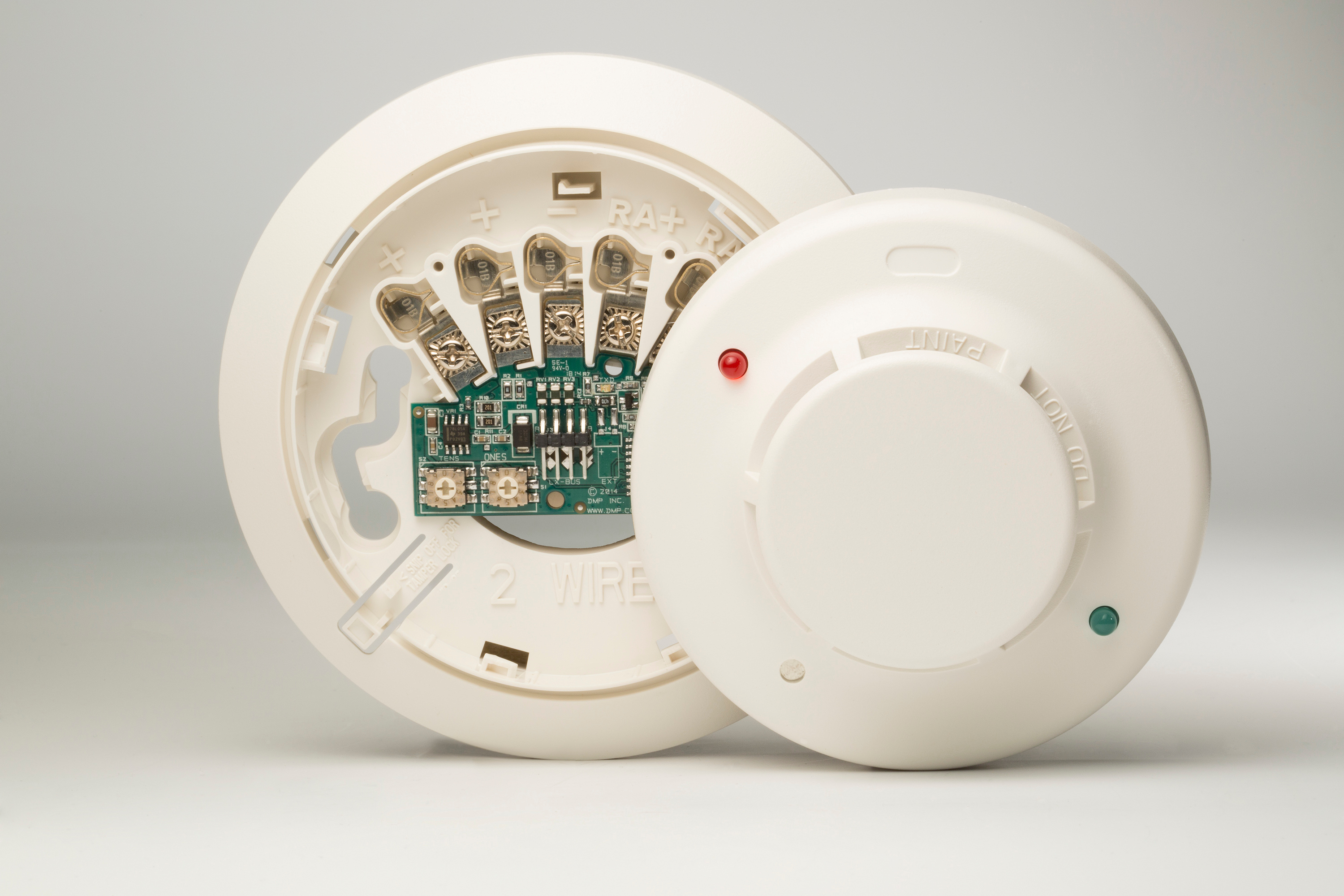
Recycle them if possible, and then bring in the next champion of safety. A fresh sensor is a happy sensor!
This simple act keeps your safety net strong and your home secure.
Testing vs. Expiration: Two Different Things!
It's super important to remember that testing your sensor is different from checking its expiration date.
Most sensors have a "test" button. Pushing this button checks if the alarm sound and basic functions are working.
Think of it like checking if your car horn works. It doesn't tell you if the engine itself is still in good shape for a long trip.
The test button mainly checks the alarm circuit and battery power.
It’s reassuring, but it doesn’t peek inside the chemical heart of the sensor to see how well it's detecting.
A working test button doesn't mean the internal chemical sensor is still perfectly detecting CO. That's where the expiration date comes in!
So, test your alarms monthly! But also, keep a keen eye on that all-important "replace by" date.
Where Do These Heroes Belong?
Knowing where to place your CO sensors is another fun fact to share.
Generally, you want one on every level of your home. It’s like having a lookout on each floor.
Place them near sleeping areas. This ensures you'll hear the alarm even if you're fast asleep.
Also, it's smart to place one near sources of CO, like your furnace or attached garage. Just keep them a little distance away from fuel-burning appliances.
Caring for Your Silent Protectors
Even though they work hard, CO sensors don't need much pampering.

A quick, gentle dusting now and then can keep their vents clear. This helps them breathe easily and detect CO better.
Just remember to use a soft cloth or the brush attachment of your vacuum cleaner. Don't spray cleaners directly on them!
Also, avoid painting them. Paint can block those tiny vents and prevent them from doing their very important job.
Battery-Powered or Plug-In: A Quick Choice
You'll find CO sensors in a couple of main flavors. Some run on batteries, offering flexibility in placement.
Others plug directly into an outlet. These often have a battery backup, which is a super smart feature!
Whichever type you choose, the lifespan rule still applies. Batteries only power them; they don't extend the life of the detection element.
So, battery changes are routine maintenance for battery-powered units, but they aren't a replacement for the whole unit's expiration.
It’s a common mix-up, but now you’re in the know! Changing batteries is like fueling up a car.
Replacing the unit is like getting a brand-new, cutting-edge model altogether.
The Big Takeaway: Stay Safe, Stay Smart!
Carbon monoxide sensors are truly remarkable devices. They stand guard, unseen and unheard, until they are needed most.
Their limited lifespan isn't a flaw; it's just a part of their dedicated service. They give their all for a few good years.
By understanding how long they last, and knowing when to replace them, you become an even better home protector.
So, go ahead and embark on your little home safety mission! Check those dates.
It’s a small task that makes a massive difference for the safety and well-being of everyone under your roof.
Your future self, and your family, will thank you for being so wonderfully proactive!