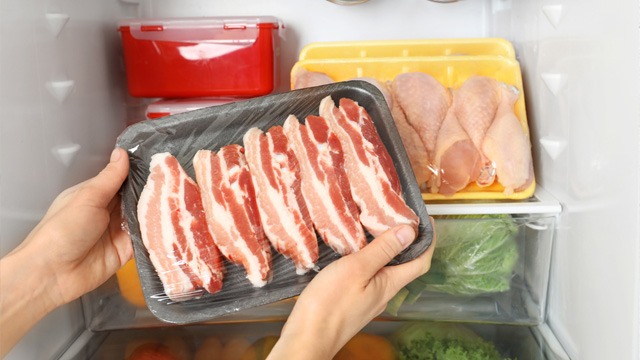
How Long Can You Leave Raw Meat In The Fridge
Okay, so you've got this beautiful slab of steak, or maybe a pack of chicken breasts, chilling in the fridge. But, like, life happened, right? Now you're staring at it, wondering: "How long exactly has this been in here?" And, more importantly, is it still, you know, safe to eat?
We've all been there! Let's get down to brass tacks and talk about raw meat and the fridge. It's a delicate dance between delicious dinner and potential… well, let's just say not-so-delicious consequences.
The Golden Rule: 4 Degrees Celsius (40 Degrees Fahrenheit) or Bust!
First things first: temperature is king! Your fridge needs to be at or below 4 degrees Celsius (40 degrees Fahrenheit). Seriously, check it! If it's warmer, all bets are off, and the guidelines we're about to discuss become… well, a bit more like wishful thinking. Nobody wants that.
Must Read
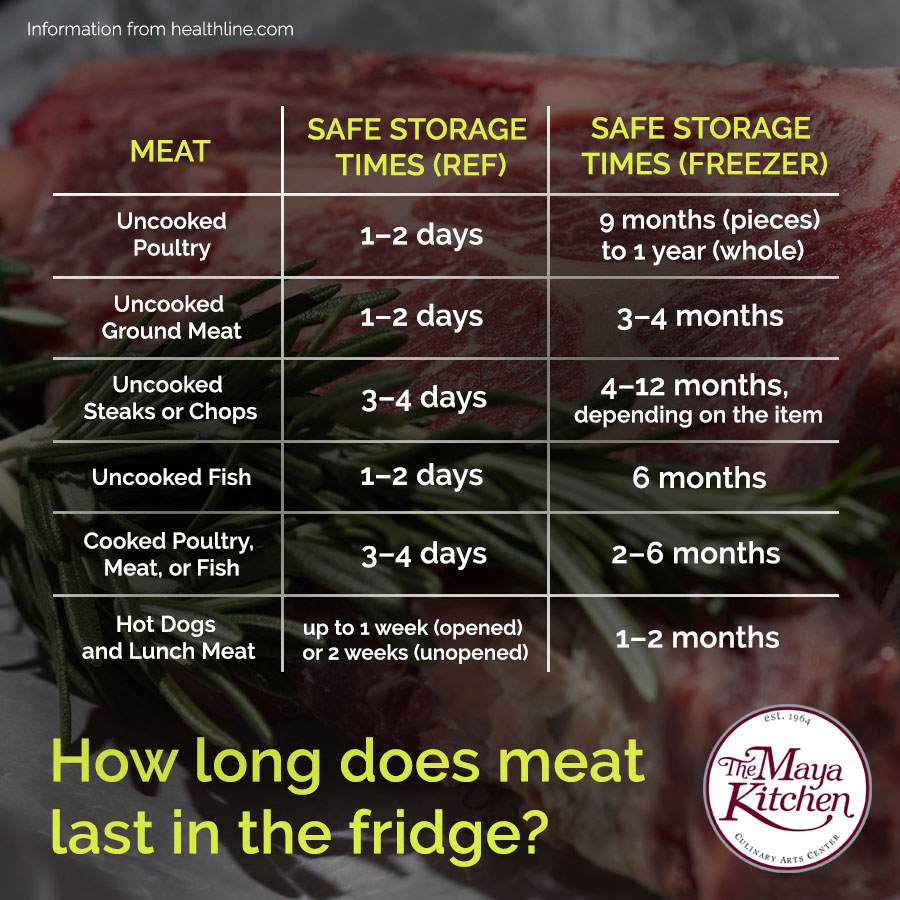
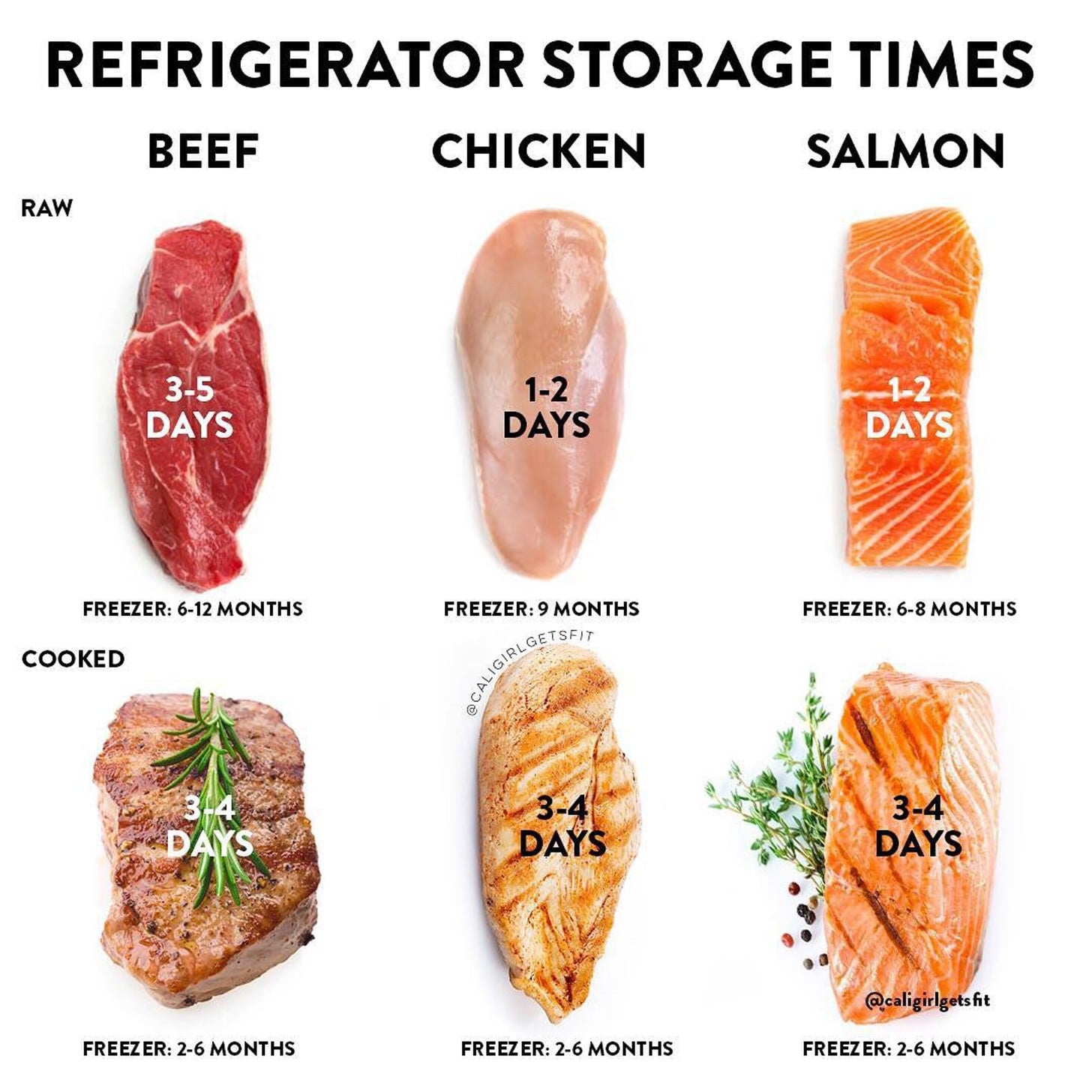
Assuming your fridge is playing ball, here's a general (and I repeat, general) guideline for different types of raw meat:
- Poultry (chicken, turkey, duck): 1-2 days. Yup, that's it. Treat that bird with respect!
- Ground Meat (beef, pork, turkey): 1-2 days. Same deal as poultry. Ground meat offers more surface area for bacteria to get busy, so keep it short and sweet.
- Red Meat (beef, pork, lamb, steak, roasts, chops): 3-5 days. Hallelujah! A little more wiggle room.
- Seafood (fish, shellfish): 1-2 days. Seafood is delicate, so don't mess around. Fresh is best!
These are maximums, people! And remember, when in doubt, throw it out! Seriously, your stomach will thank you. Food poisoning is not a fun party.
Beyond the Numbers: Signs of Spoilage to Watch Out For
Okay, so maybe you're not exactly sure how long that meat has been in there. Don't panic! Your senses are your friends. (Well, your nose, eyes, and fingers, at least. Don't lick it!)
Here are some red flags:
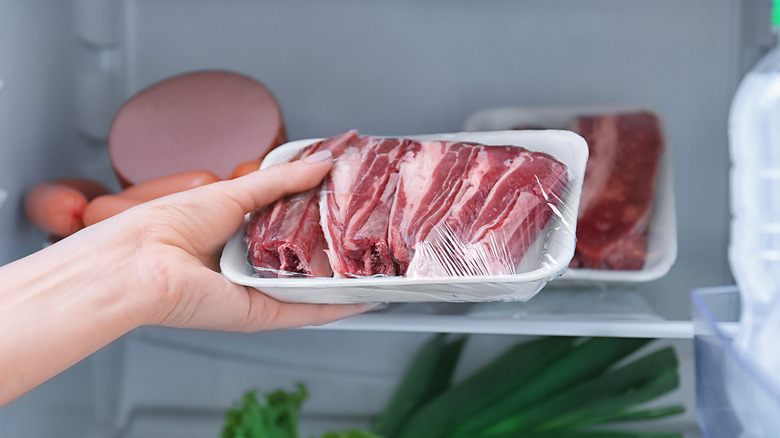
- Smell: Does it smell… off? Like, not just "meat-y," but kinda sour, ammonia-ish, or just plain wrong? Trust your gut (literally!).
- Texture: Is it slimy? Slimy is bad. Very, very bad.
- Color: Has the color changed drastically? Dull, grayish, or greenish hues are not your friend.
If you see any of these signs, even if it's "only" been a day or two, ditch it! It's not worth the risk. Your health is more important than saving a few bucks.
Pro Tips for Extending Fridge Life (Slightly!)
Alright, so what can you do to maximize the safe fridge time (within those guidelines, of course!)?
- Store properly: Keep raw meat in its original packaging, or in airtight containers or freezer bags. This prevents cross-contamination and slows down spoilage.
- Bottom shelf only: Store raw meat on the bottom shelf of your fridge. This prevents juices from dripping onto other foods, which, you guessed it, is a bad thing.
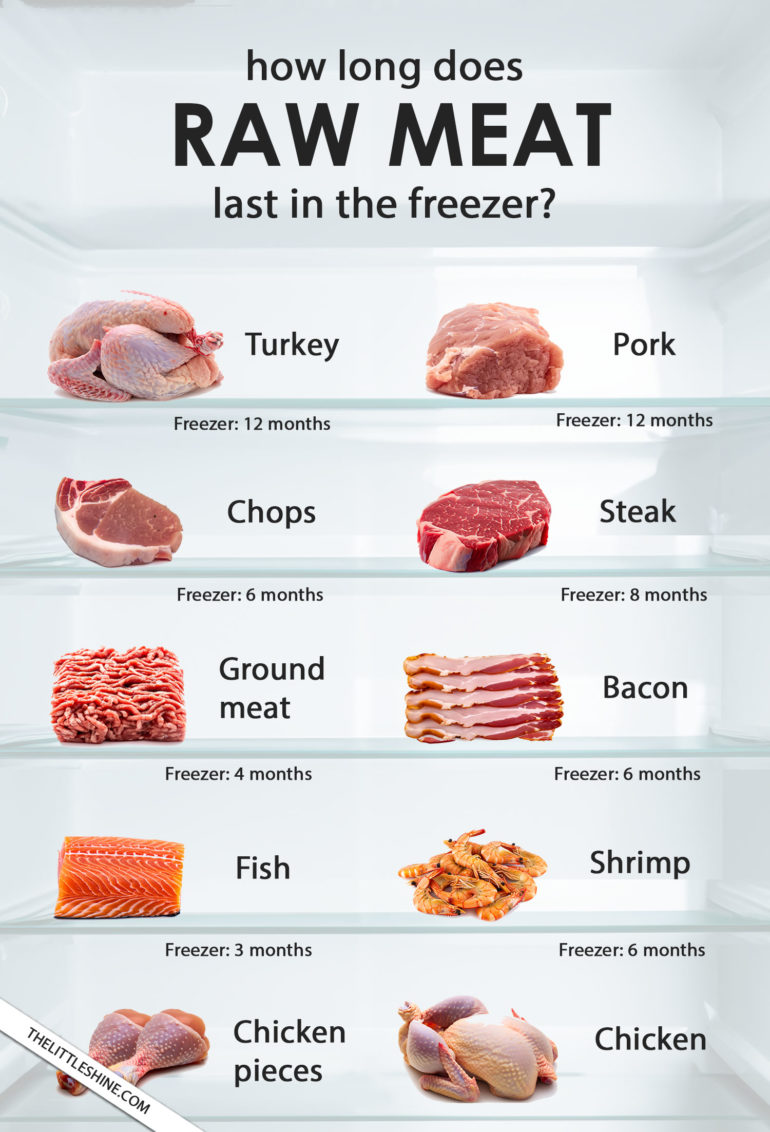
- Freeze it! If you know you're not going to cook it within the recommended timeframe, freeze it! Freezing essentially puts spoilage on pause. Just remember to thaw it properly in the fridge before cooking.
So, there you have it! The lowdown on raw meat and fridge time. Remember to use your common sense, trust your senses, and when in doubt, err on the side of caution. After all, nobody wants a surprise trip to the emergency room after what was meant to be a lovely meal.
Happy (and safe!) cooking!