How Long Can Stuff Stay In Fridge Without Power

Let's be honest, nobody wants to think about their fridge when the power goes out. It's like imagining your happy food kingdom slowly crumbling. But knowing how long your food is safe in a powerless refrigerator is actually super useful – and can save you from a lot of, well, icky surprises (and potential stomach aches!). It's a topic that pops up after every storm, every outage, and even every time you accidentally unplug the thing while cleaning behind it. So, let's dive in!
Why is this information important? For beginners, it's about basic food safety. You learn the golden rules: when to toss, when to keep. For families, it's about protecting your kids (and yourselves!) from foodborne illnesses. You're talking about a whole household’s worth of groceries, so knowing what’s salvageable saves money and stress. And for the hobbyist – the canners, bakers, and home cooks – it's about preserving the quality of your carefully crafted ingredients and creations. You've put time and effort into that sourdough starter or that batch of homemade pickles; you want to know if you need to restart or can still safely enjoy them.
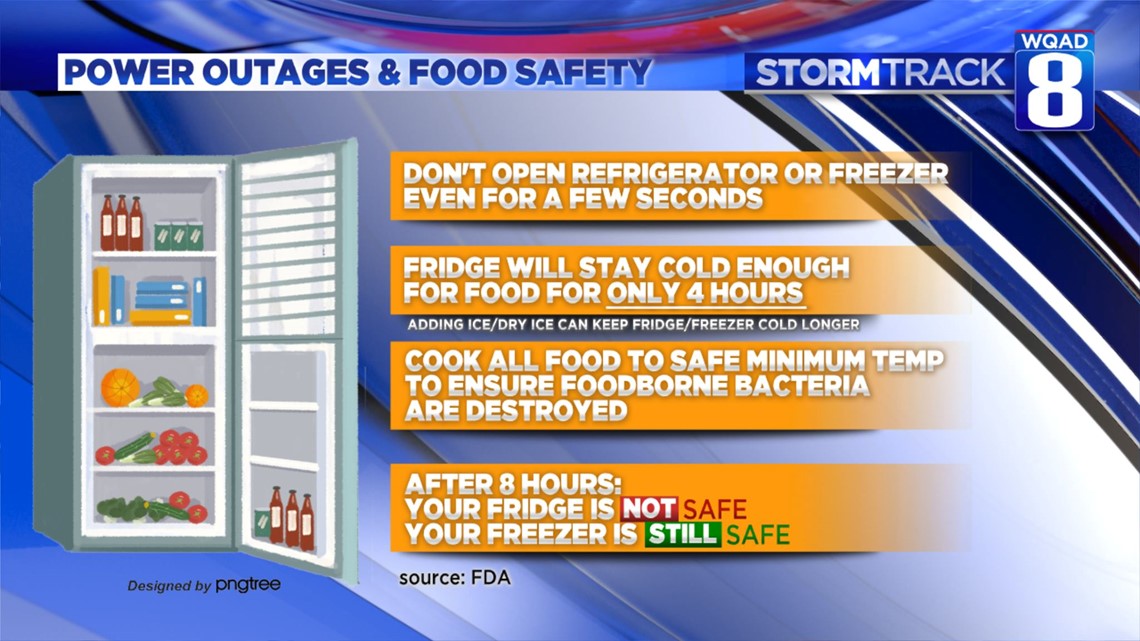
The general rule of thumb is that your refrigerator will keep food safe for about four hours without power. That's if the door stays closed. Every time you peek inside, you're letting the cold air escape, shortening the safe window. A full freezer, on the other hand, can hold its temperature for around 48 hours (again, unopened!), or 24 hours if it's only half-full. Think of it like this: a packed freezer is like a block of ice, whereas a sparsely filled one has more air, which warms up faster. Variations occur with fridge type; a super-insulated, high-end model might buy you extra time, while an older, less efficient one might falter sooner.
Must Read
What about specific foods? Milk and dairy products are generally more susceptible to spoilage than, say, hard cheeses. Raw meats and poultry are high-risk and should be treated with extra caution. Mayonnaise-based salads (potato salad, coleslaw) are also notorious for going bad quickly. When in doubt, throw it out. It's better to be safe than sorry when it comes to food safety.

So, how can you get started protecting your food during an outage? Here are a few simple tips:
- Keep freezer packs on hand: Toss these in the fridge if you anticipate a power outage.
- Freeze water bottles: These act as ice packs and provide drinking water later.
- Don't open the fridge or freezer doors unnecessarily. Seriously!
- Know where your meat thermometer is: This helps you determine if food has reached unsafe temperatures.
- Have a cooler ready: Transfer essential items (like medications or infant formula) to a cooler with ice if the outage lasts longer than four hours.
Dealing with a power outage is never fun, but knowing the basics of food safety in your fridge and freezer can bring you peace of mind. It's a small step that makes a big difference, allowing you to confidently navigate those powerless moments and, hopefully, still enjoy a tasty meal after the lights come back on!