
How Long Can Milk Stay In Fridge Without Power
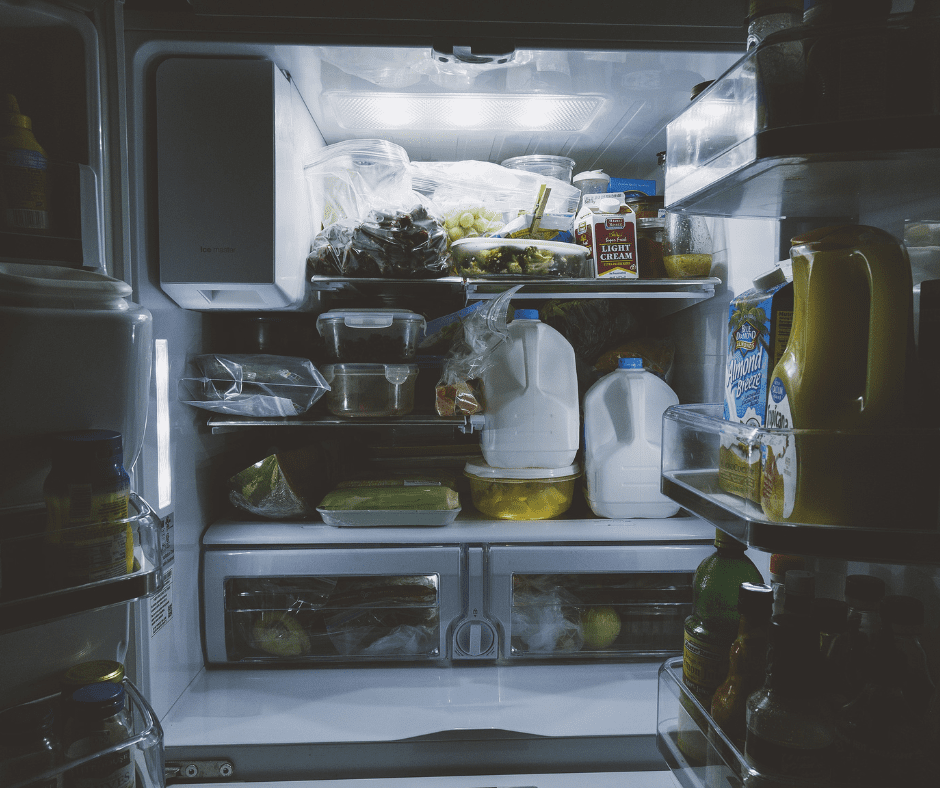
Uh oh, power outage! The lights are out, the TV's dead, and… is that the milk starting to sweat? Suddenly, we're all amateur survivalists, wondering how long we can keep things from going bad.
The big question: How long can that creamy goodness hang out in the fridge without power? It's a race against time, a dairy-based dilemma that tests our patience and our stomachs!
The Fridge is a Fortress… For a While
Think of your fridge as a cool, dark fortress. It's built to withstand a little bit of hardship.
Must Read
When the power goes out, that fortress slowly starts to crumble. The temperature inside begins to rise, and that’s when things get dicey.
But don't panic yet! You've got some time.
The 4-Hour Rule: Your Magic Number
This is the golden rule, the one you need to tattoo on your brain (figuratively, of course!). The USDA (United States Department of Agriculture), in all its wisdom, says that perishable foods, including milk, are generally safe for up to 4 hours without power.
That's 4 hours from the moment the lights flickered off. Set a timer! Get a countdown going!
After that, it's a gamble. A dairy roulette, if you will.
Keeping Cool: Pro Tips for Powerless Fridges
Want to extend that 4-hour window? You can do it!
First, resist the urge to open the fridge. Every time you peek inside, you’re letting warm air rush in.
Treat it like a secret vault, only to be opened when absolutely necessary. Channel your inner Indiana Jones guarding the Ark of the Covenant.
Second, group items together. A full fridge stays colder longer than an empty one.
Think of it as a thermal huddle, everyone keeping each other warm (or rather, cold).
Finally, if you know a power outage is coming, crank up the fridge's coolness beforehand.
Pre-chill everything! It's like giving your fridge a head start in the coldness competition.
The Freezer: A Chilly Champion
The freezer is your best friend in a power outage. It's the stoic, reliable one, unfazed by a little lack of electricity.
A full freezer can keep food safe for up to 48 hours. That's two whole days of frozen goodness!
A half-full freezer will buy you about 24 hours. Still not bad!
So, if you're worried about your milk, consider making ice cream! Okay, maybe not. But knowing the freezer's your ally is comforting.
Freezer Fails: What To Watch Out For
Even the mighty freezer has its weaknesses. Just like the fridge, avoid opening it unnecessarily.
Every peek lets out the precious cold air. Pretend it's a dragon's hoard, and each opening releases a bit of the dragon's fiery breath.
Also, be aware of refreezing. If food thaws completely, it's generally not safe to refreeze it.

Refreezing can mess with the texture and, more importantly, increase the risk of bacterial growth.
The Sniff Test: Trust Your Nose (But Not Too Much)
Okay, so the power's been out for longer than 4 hours. What now? Time for the sniff test!
Give that milk a good sniff. Does it smell sour? Does it have an… off… aroma?
If so, toss it! It's not worth the risk. Trust your instincts. Your nose knows!
But be warned: The sniff test isn't foolproof. Some bacteria don't produce noticeable odors.
So, if you're even slightly unsure, err on the side of caution. When in doubt, throw it out!
The Texture Test: Another Clue
Besides the smell, check the texture. Is the milk clumpy? Curdled? Separated?
These are all signs that it's past its prime. Milk should be smooth and consistent. Think of it like a perfectly blended smoothie.
If it looks like cottage cheese in disguise, it's time to say goodbye.

The "Float Test" For Eggs (Use With Extreme Caution!)
A quick note on eggs! Some people suggest the "float test" to see if eggs are still good. This involves placing an egg in a glass of water. If it sinks, it's fresh. If it floats, it's bad.
However, use this with extreme caution, as it is not a reliable method to ensure the egg is safe to consume and the CDC doesn't recommend it.
When in doubt, it is best to discard potentially unsafe eggs.
Beyond Milk: Other Fridge Inhabitants
What about other foods in your fridge? Cheese, yogurt, meat… they're all in the same boat.
Soft cheeses, like ricotta and brie, are more susceptible to spoilage than hard cheeses like cheddar.
Meat is particularly risky. Raw meat should be discarded after 4 hours without refrigeration.
Cooked meat might last a little longer, but again, err on the side of caution. Nobody wants a stomach ache from mystery meat!
The Power is Back On! Now What?
Hallelujah, the power's back! The lights are on, the fridge is humming, and all is right with the world… almost.
Take a moment to assess the situation. Check the temperature inside your fridge and freezer.
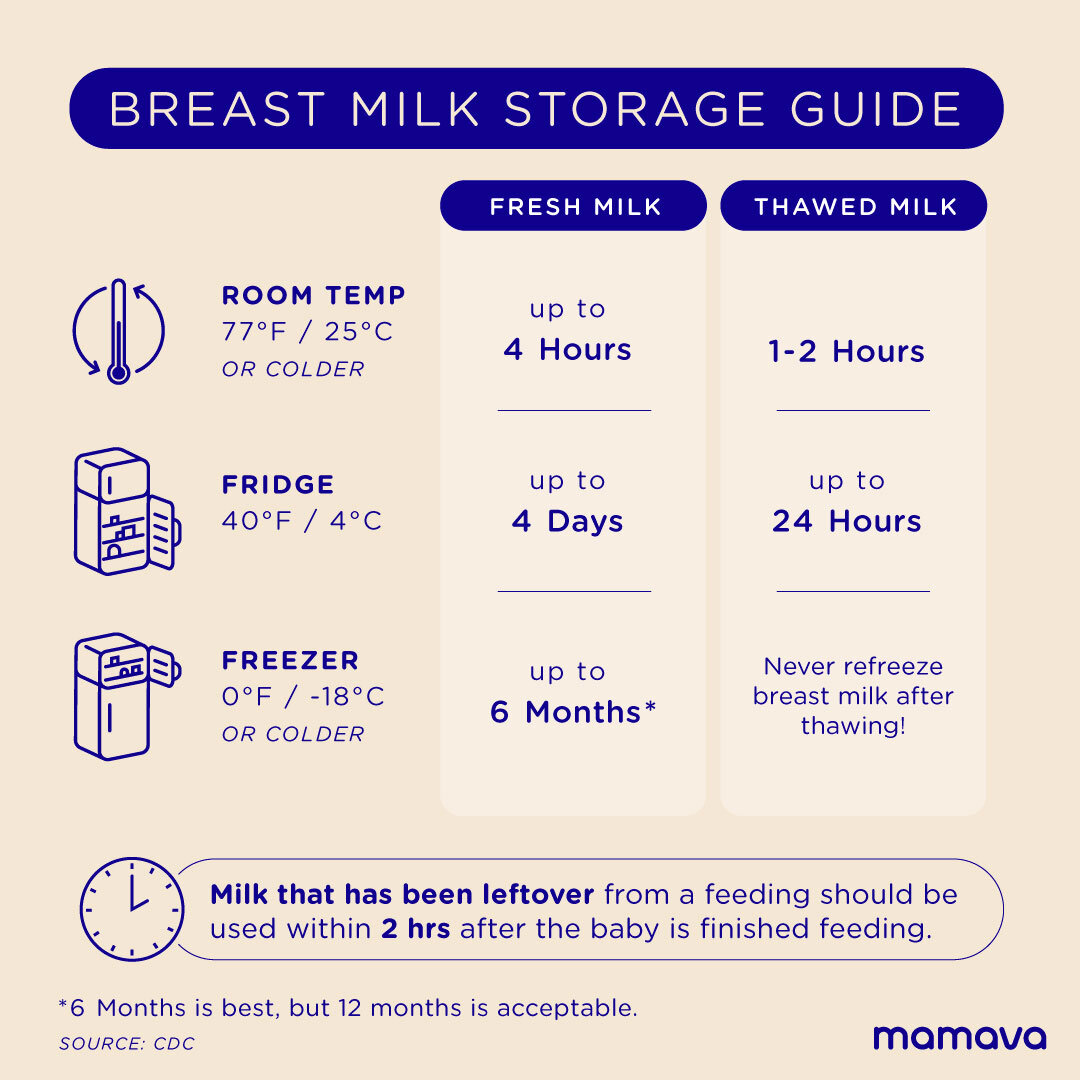
If the fridge temperature stayed below 40°F (4°C), and the freezer temperature stayed at or below 0°F (-18°C), most of your food should be safe.

However, if the temperature rose above those thresholds, it's time for a more thorough evaluation. Use those sniff and texture tests!
Preventing Future Fridge Fiascos
Want to be better prepared for the next power outage? Of course, you do!
Consider investing in a fridge thermometer. This will give you an accurate reading of the internal temperature, even when the power's out.
You can also fill some containers with water and freeze them. These frozen blocks can help keep your fridge colder for longer.
Finally, have a plan! Know what to do, who to call, and where the nearest ice cream shop is (for moral support, of course!).
Embrace the Impermanence of Perishables
Ultimately, food spoilage is a fact of life. It's a reminder that nothing lasts forever.
While it's sad to toss out perfectly good-looking milk, it's better to be safe than sorry.
Think of it as an opportunity to try a new recipe, support your local grocery store, or simply appreciate the simple luxury of having a working refrigerator.
So, the next time the power goes out, take a deep breath, assess the situation, and remember: You've got this! You're a fridge-saving superhero in the making!
And if all else fails, there's always ice cream... once the power is back on, of course.