
How Long Can I Store Water In Plastic Containers
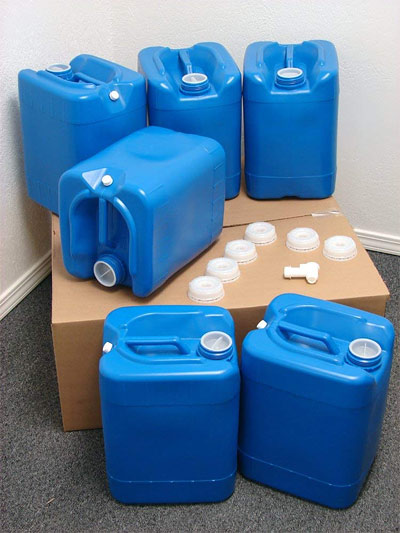
Ever wondered how long that emergency water stash lurking in your garage is actually good for? You're not alone! It's a question that's crossed the mind of survivalists, casual campers, and even the most chilled-out householders.
The Great Water Stash Mystery
The good news? Water itself, H2O, doesn't really "go bad." That's right, plain water is a pretty stable character. However, the plastic bottle it's living in? That's another story.
Plastic Perils: A Bottle's Tale
Think of your plastic water bottle as a tiny, bustling apartment building. Over time, it starts shedding microscopic residents – we’re talking chemicals, folks. These microscopic lodgers might leach into your water.
Must Read
These "residents" are usually in super tiny, perfectly harmless quantities, but, of course, no one wants a surprise guest list in their drinking water, right?
Sunlight is a real troublemaker. UV rays love to break down plastic, speeding up the leaching process.
The 6-Month Rule: A Gentle Guideline
Here's the general wisdom: rotate your emergency water every six months. It's like changing the oil in your car, but for hydration! The FEMA and other emergency organizations recommend this rotation to be safe.
It's not like your water will magically transform into something resembling swamp juice on day 181. But, for the best taste and to minimize any plastic-related concerns, six months is a good benchmark.
Beyond the Bottle: Smart Storage Strategies
Choosing the right bottle is like picking the right home for your precious water. Look for food-grade plastics, especially those labeled with recycling codes 1, 2, 4, or 5. These are generally considered safer for long-term water storage.

Darkness is your friend. Storing your water in a cool, dark place is like putting it in a tiny, refreshing cave, away from that sun's party-crashing UV rays. A basement, garage, or even a closet works wonders.
Temperature swings are the enemy. Fluctuations in temperature can encourage the plastic to break down faster. Aim for a stable, moderate temperature.
When to Toss: Signs Your Water's Had Enough
Even with the best storage, keep an eye out for warning signs. If the bottle is bulging, discolored, or showing signs of degradation, it's time to say goodbye. It’s time for that bottle to go to its final resting place for recycling.
And if the water itself looks or smells off, trust your senses! Discard it immediately. Better safe than sorry, right?
A Humorous Hydration Interlude
Imagine your water bottles having a secret, underground party while you’re asleep. They're swapping stories of surviving that summer heatwave or narrowly escaping being crushed by the Christmas decorations.
Suddenly, one bottle whispers, "Psst, guys, the six-month mark is tomorrow! Looks like we're getting evicted!"
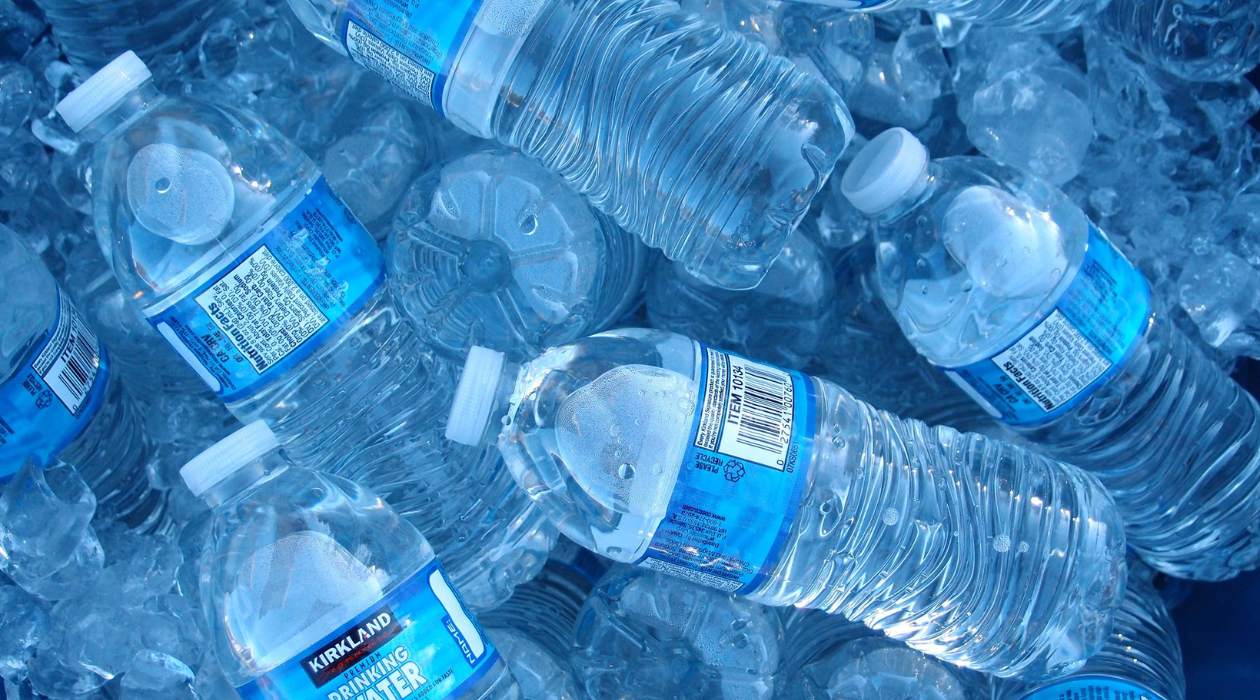
Okay, maybe your water bottles aren't that dramatic. But a little imagination makes water storage a lot less boring!
Beyond the Basics: Alternative Containers
Tired of plastic altogether? There are other options! Glass carboys, stainless steel containers, and even specialized water storage bladders are all viable alternatives. Investing in one of these could be a great long-term solution.
Glass is inert, meaning it won't leach chemicals into your water. However, it's heavy and breakable, so handle with care.
Stainless steel is durable and non-reactive, but can be more expensive than plastic. Always ensure it's food-grade stainless steel.
The Great Taste Test: A Scientific Experiment (Sort Of)
Here's a fun experiment: blind taste test! Grab a fresh bottle of water and a bottle that's been stored for a few months. Can you tell the difference? Maybe you're a water sommelier in the making!

Honestly, most people can't detect a difference, especially if the water's been stored properly. But it's a fun way to engage with the process and appreciate the importance of fresh, clean water.
Water Woes & Wins: Real-Life Stories
Let's hear from some real people! Sarah, a seasoned hiker, swears by her stainless steel water bottle. "It keeps my water ice cold, even on the hottest trails, and I don't have to worry about plastic leaching," she says.
Then there's Tom, a busy dad, who admits to occasionally forgetting about his emergency water stash. "I found some bottles that were way past their prime," he confesses. "Lesson learned! Now I set a reminder on my phone to rotate them."
A Heartwarming Hydration Conclusion
Storing water isn't just about survival; it's about preparedness and peace of mind. Knowing you have a supply of clean, safe water for yourself and your loved ones can be incredibly reassuring.
It’s a simple act of self-care, a little act of love for your future self. So, take a few minutes to check your water stash today. Your body (and your peace of mind) will thank you.
DIY Water Purification: A Back-Up Plan
What if you run out of stored water? Knowing how to purify water is a valuable skill. Boiling water for one minute kills most harmful bacteria and viruses. Let the water cool before drinking.

You can also use water purification tablets, available at most camping and outdoor stores. Follow the instructions carefully. Be sure that you filter the water first.
Debunking Water Storage Myths
Let's bust some myths! Myth: You can store water indefinitely in any plastic bottle. Nope! Plastic degrades over time.
Another myth: Freezing water is the best way to store it. Freezing is okay, but water expands when frozen and can crack some containers. It also uses energy.
Hydration Habits: Everyday Tips
Don't just think about emergency water storage. Stay hydrated every day! Carry a reusable water bottle with you. Make water easily accessible at home and at work.
Set a reminder to drink water throughout the day. Sometimes we forget! Add some fruit or herbs to your water for a refreshing twist.
The Last Drop: A Final Thought
Storing water in plastic containers isn't rocket science. It's about being mindful, proactive, and a little bit creative. Embrace the six-month rule, choose your containers wisely, and enjoy the peace of mind that comes with being prepared. So, go forth, hydrate, and conquer the world (one sip at a time!).