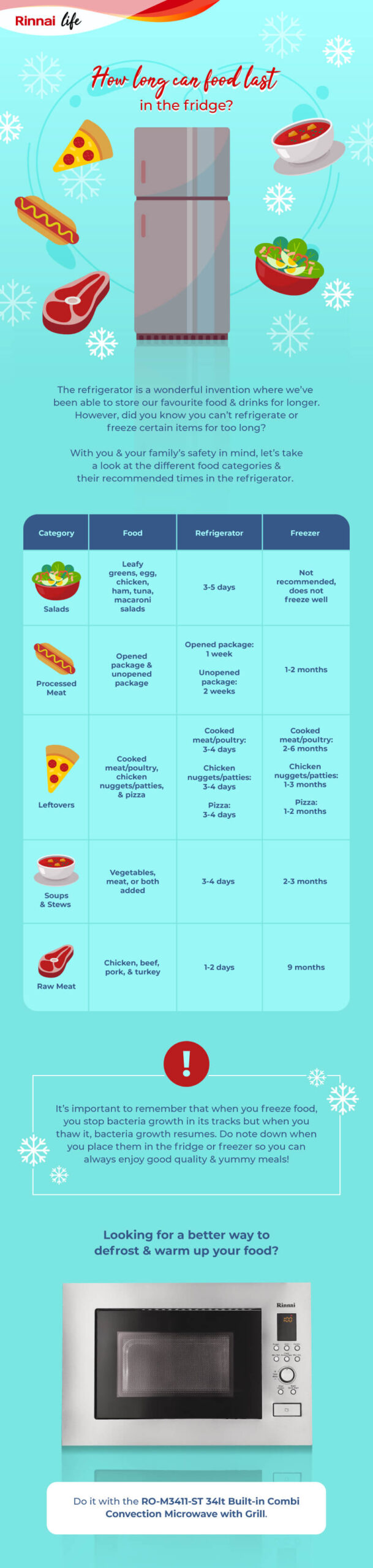
How Long Can Food Last In Freezer Without Power
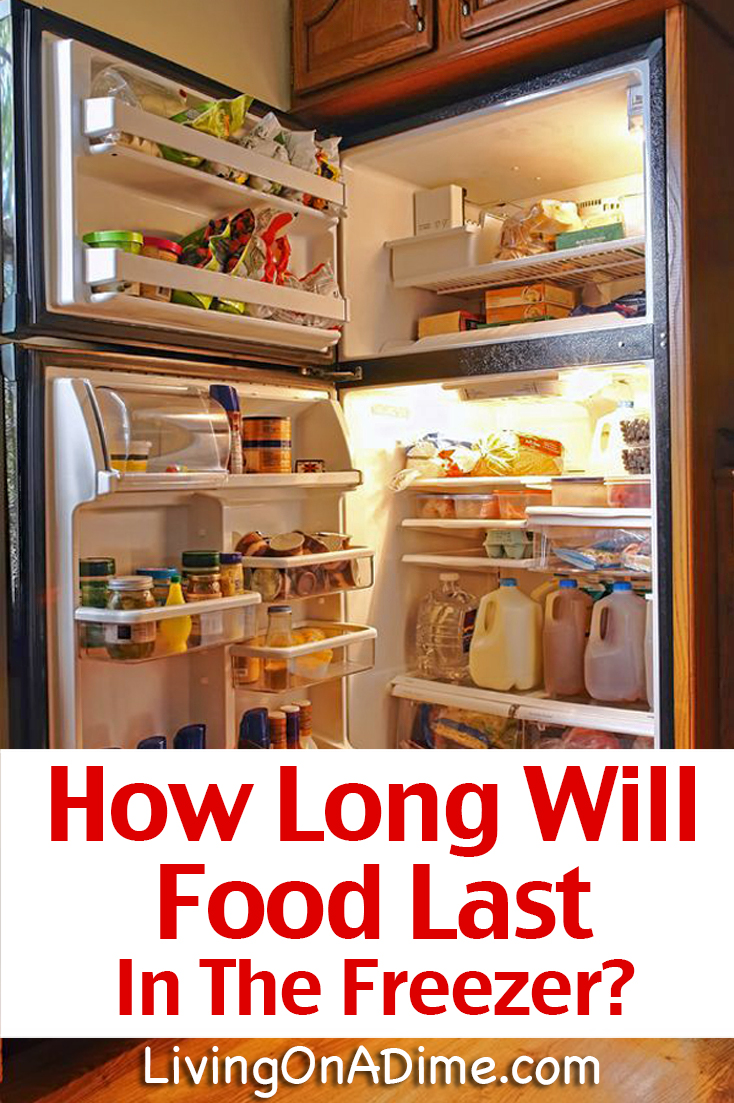
Okay, so picture this: you’re finally home after a grueling day battling spreadsheets and questionable office coffee. You’re dreaming of that lasagna in the freezer – the one you lovingly crafted last weekend. But BAM! The lights are out. Power outage. Cue the dramatic music. Your first thought? Probably not, "How long will the food last?!" More likely, "Did I pay the electric bill?!?" But eventually, reality hits. The lasagna... the ice cream... the precious, precious frozen peas! Don’t panic! (Yet.)
Let’s get down to brass tacks, shall we? The big question on everyone's mind: How long can that frozen bounty survive a power outage before it becomes a science experiment best left untouched? Well, the answer, like most things in life, is "it depends." And by depends, I mean, it depends on how prepared you are. Are you a freezer ninja or a freezer novice?
The Golden Rule: Fullness Matters
Think of your freezer like a well-insulated cooler. The more full it is, the better it holds the cold. A fully stocked freezer can keep food safe for around 48 hours. A half-full freezer? Trim that down to about 24 hours. So, if you’re planning a lengthy trip, cram that bad boy full of frozen water bottles. Think of it as a frozen Tetris game with potentially life-saving consequences (okay, maybe just stomach-saving consequences).
Must Read
Why does fullness matter? It's all about thermal mass, baby! More frozen stuff means more cold energy to resist the creeping warmth of the outside world. Imagine trying to melt a single ice cube versus melting a whole mountain of ice. See? Science! (Or something like it.)
Keep It Shut! (Seriously!)
This is crucial. I cannot stress this enough. Resist the urge to peek! Every time you open that freezer door, you’re letting out precious cold air and inviting warm, villainous air inside. Think of it like opening Pandora’s freezer box of thawed doom. Unless you absolutely need something, leave that freezer door alone! Pretend it's haunted by a grumpy yeti who throws freezer-burned ice cubes at anyone who dares disturb him. The less you open it, the longer your food will stay safe. Got it?

Opening the freezer door is basically like whispering sweet nothings to your food while simultaneously injecting it with microscopic gremlins who are determined to turn your perfectly good steak into a soggy, questionable mess. Don't be that person.
Signs Your Food Has Gone Rogue
Alright, the power’s back on! Hooray! But before you start celebrating with a victory sundae, you need to assess the damage. How do you know if your food is still safe? Here are a few key indicators:
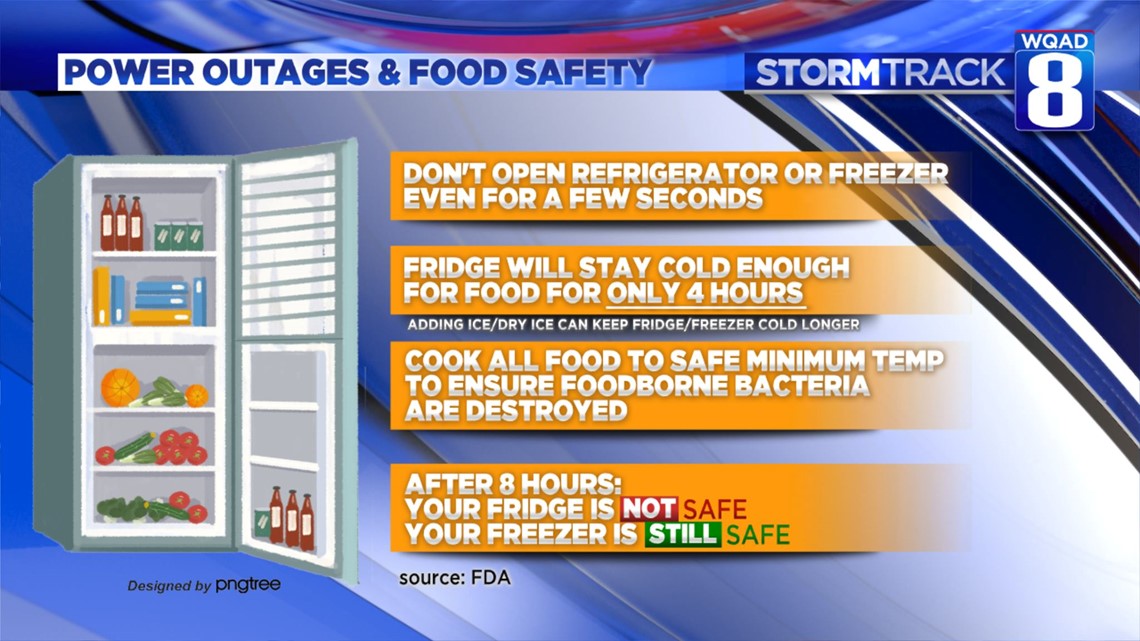
- Temperature Check: If your freezer still feels cold and there are ice crystals on the food, you're probably in the clear. Food that's been colder than 40°F (4°C) is generally considered safe.
- The Thaw Factor: If the food has completely thawed and is now swimming in a puddle of its own juices, it's time to say goodbye. (Unless you’re into questionable culinary adventures.)
- The Smell Test: If it smells “off,” trust your nose. Your nose knows. It's been evolving for millions of years to detect danger, including spoiled food. Don't argue with millions of years of evolutionary wisdom!
- When in Doubt, Throw it Out: This is the golden rule of food safety. If you're even a tiny bit unsure, chuck it. Food poisoning is not a fun souvenir from a power outage.
Think of it this way: your freezer is a temporary holding cell for your food. If the food stages a successful escape and starts exhibiting signs of rebellious thawing, it's time to cut your losses and send it to the compost heap. No tears!
Pro-Tips for Power Outage Preparedness (aka Freezer Ninja Training)
Okay, you want to be a true freezer ninja? Here's the secret sauce:
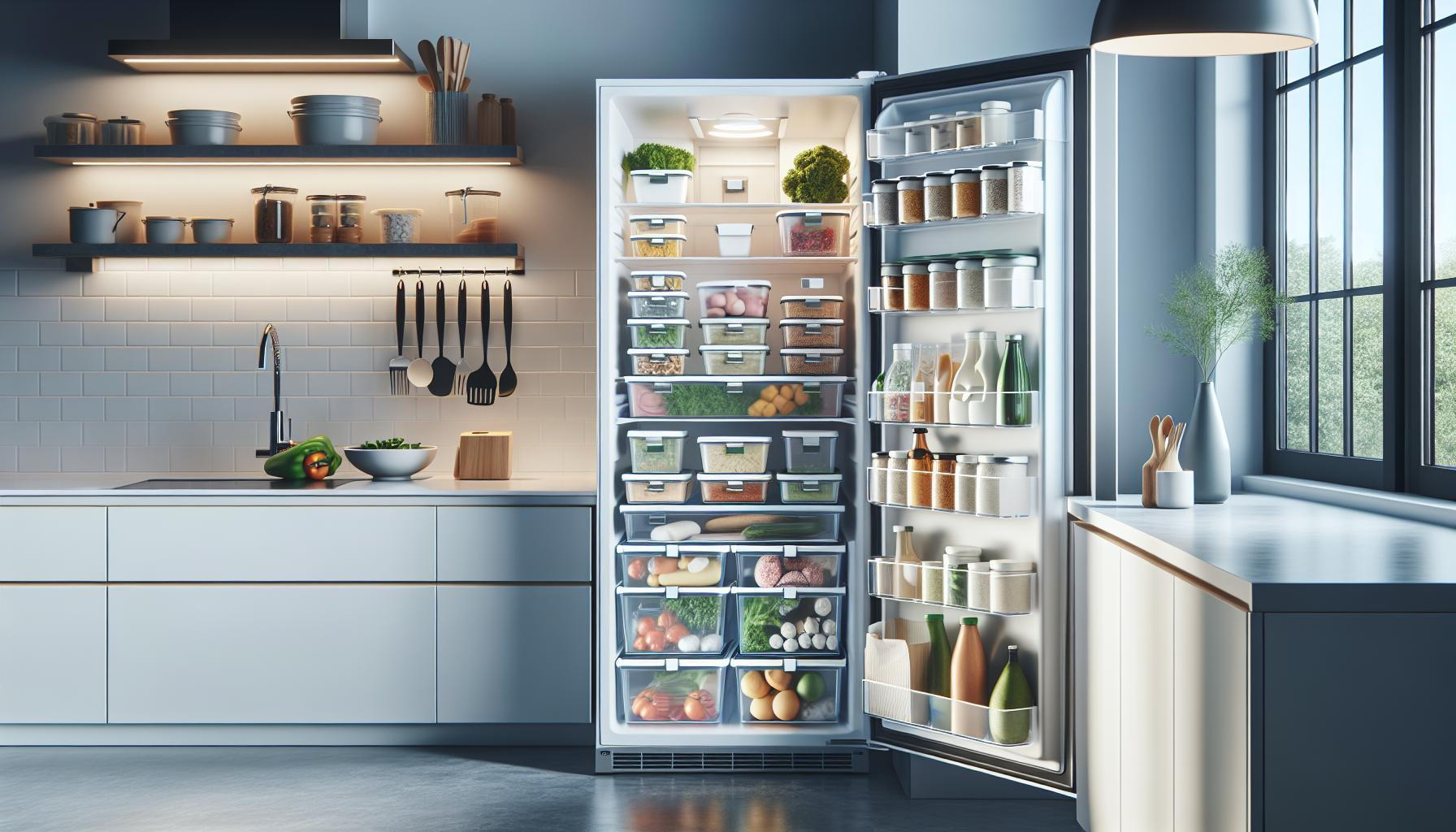
- Invest in a Freezer Thermometer: This is your early warning system. Knowing the temperature of your freezer can help you make informed decisions.
- Freeze Water Bottles: Not only does this help keep your freezer full, but you'll also have a supply of ice-cold water when the power is out! Double win!
- Know Your Power Company's Estimated Restoration Time: This will help you gauge how long your food needs to survive.
- Have a Plan B: A generator, a cooler filled with ice, or a very generous neighbor with a functioning freezer are all good options.
Being prepared for a power outage is like having a superhero cape for your freezer. It's not foolproof, but it'll definitely give you a fighting chance.
So, there you have it! Now you're armed with the knowledge to face any freezer-related power outage emergency. Go forth and protect your frozen treasures! And remember, when in doubt, err on the side of caution. Your stomach will thank you.
Now, if you'll excuse me, I'm suddenly craving lasagna... power outage or not!