How Long Can A Portable Generator Run Continuously

Ever wondered how long that trusty portable generator could really run? It’s a question that probably pops into your head when you're prepping for a camping trip, anticipating a potential power outage, or just generally curious about the humming workhorse sitting in your garage. Understanding the runtime limitations of your generator is more than just a technical detail; it's about preparedness, safety, and getting the most out of your investment.
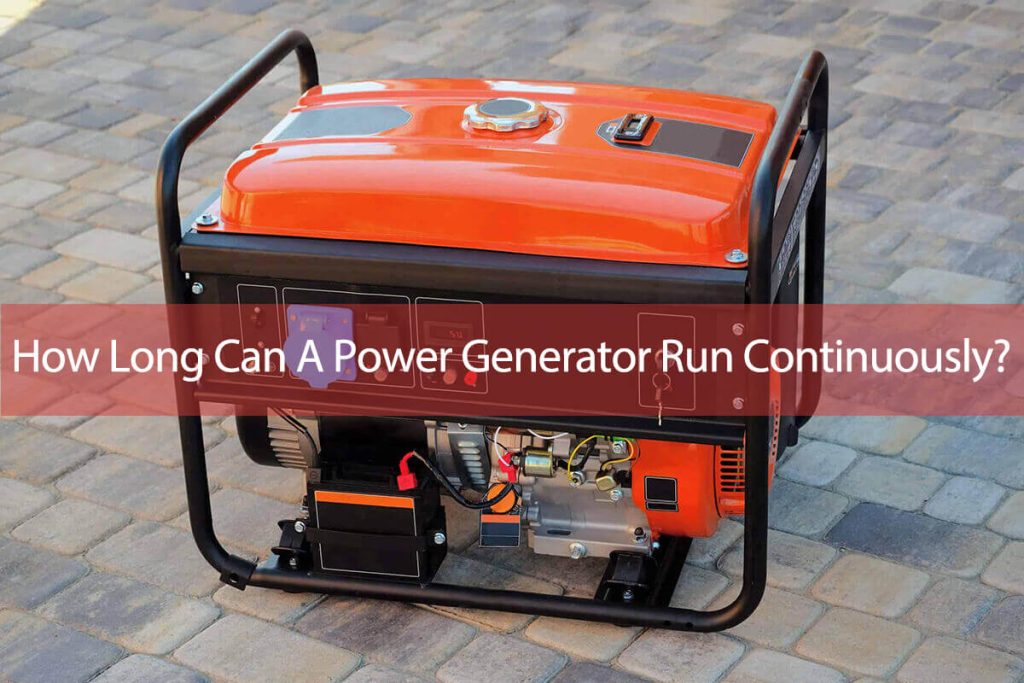
A portable generator, in its essence, is a self-contained power plant. It converts fuel – usually gasoline, propane, or natural gas – into electricity. Think of it as a miniature version of the power station that keeps your lights on, just shrunk down to a manageable size. The benefits are clear: instant power wherever and whenever you need it. From providing backup power during a storm to running tools on a construction site, or even powering a tailgate party, portable generators offer a versatile and convenient source of electricity.
So, the million-dollar question: how long can they actually run continuously? The answer, unfortunately, isn't a simple one. It depends on several factors, the most significant being the fuel tank size and the load being drawn. A larger fuel tank obviously translates to a longer runtime. Similarly, a smaller electrical load – say, just a few lights and a phone charger – will allow the generator to run much longer than if you're powering a refrigerator, air conditioner, and television all at once.
Must Read
Let's look at some practical examples. Imagine a school science project: using a portable generator to power an outdoor experiment, perhaps building a weather station that needs continuous electricity for data logging. Understanding the generator's runtime is crucial to ensuring the experiment runs smoothly without interruption. Or consider a family relying on a generator during a power outage. Knowing how long the generator can run on a tank of fuel is vital for rationing fuel and ensuring essential appliances like refrigerators or medical equipment remain powered.
Most manufacturers provide estimated runtime figures in the generator's manual, usually expressed in hours at 50% load. This means they tested the generator with a load that was half of its maximum capacity. However, these figures are just guidelines. Real-world runtime can vary significantly depending on the actual load, the type of fuel used, and even ambient temperature.
Here are a few practical tips to help you explore your generator's runtime capabilities:
- Read the manual: It's the best starting point for understanding your generator's specifications and estimated runtime.
- Monitor fuel consumption: Keep track of how quickly your generator consumes fuel under different loads. This will give you a more accurate estimate of its runtime in your specific situation.
- Calculate your load: Determine the wattage requirements of the appliances and devices you plan to power. This will help you estimate the load percentage and, consequently, the expected runtime. There are online calculators that can help.
- Consider an extended run fuel kit: For some generators, you can purchase a kit that allows you to connect an external fuel tank, significantly increasing runtime.
Ultimately, figuring out how long your portable generator can run continuously is a matter of understanding its capabilities and your own power needs. So, get to know your generator, experiment a little, and be prepared to keep the power flowing when you need it most. It's a surprisingly empowering feeling!