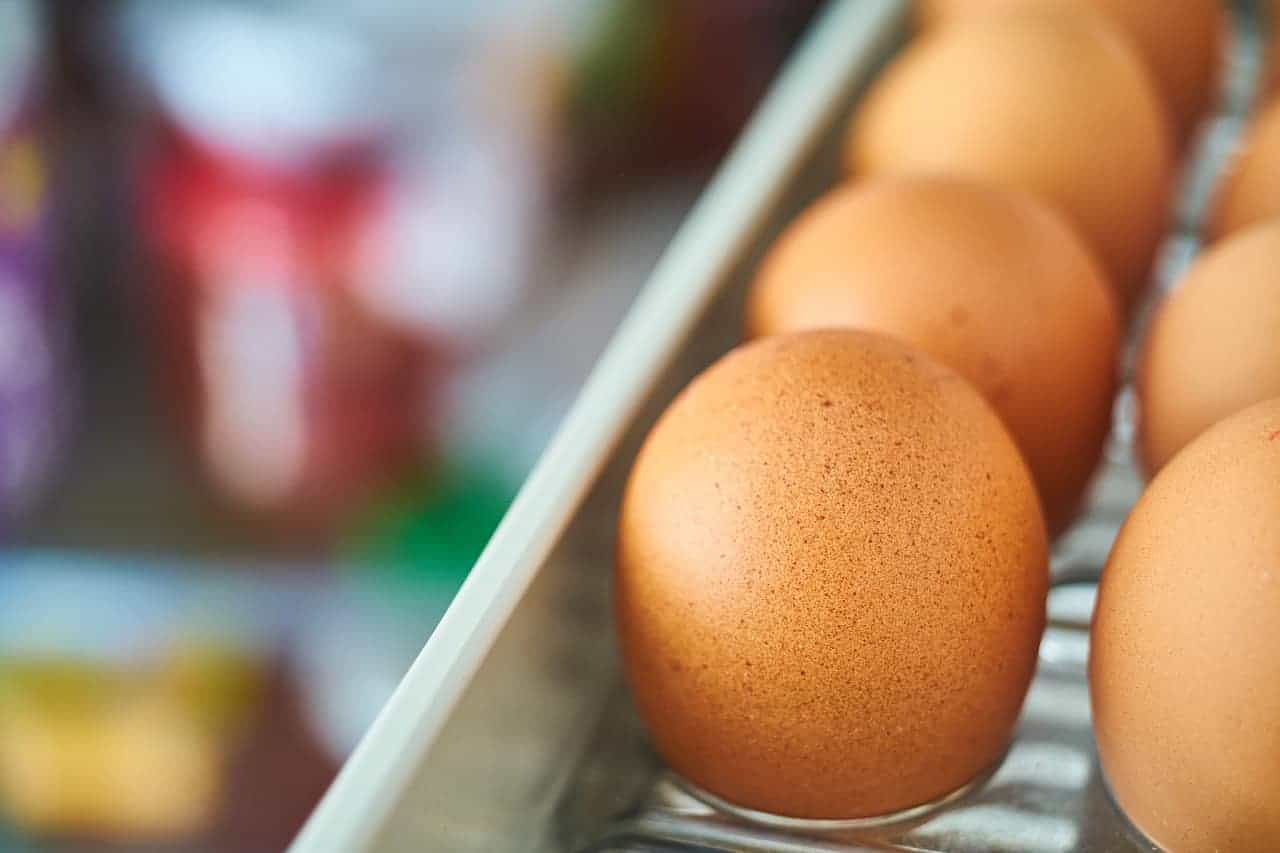
How Long Are Eggs Good In Fridge Without Power

Alright, gather 'round, folks! Let's talk eggs. Not the philosophical kind, like "which came first?" (Spoiler alert: it was the chicken, who was probably just as confused as we are). No, we’re diving into the real egg-sistential crisis: How long are these fragile little protein bombs good for when the power goes out and your fridge decides to take an unplanned vacation?
First, let's get something straight. We're talking about eggs in the American fridge context. Those Europeans with their shelf-stable eggs? They live in a different, frankly, superior egg reality. Their chickens are evidently living a charmed life, producing eggs that laugh in the face of salmonella. Ours? Well, let's just say our eggs need a chaperone (the fridge) to keep things safe and civil.
Now, before the apocalypse (or just a particularly enthusiastic squirrel taking down a power line), your eggs, nestled snugly in their carton in the fridge, are generally considered good for 3-5 weeks past the date on the carton. Yes, that date is more of a "suggestion" than a hard-and-fast rule. It’s like when your GPS tells you to take a shortcut through someone's backyard – technically possible, but maybe not the best idea. Use your senses! If they smell off or look weird, chuck 'em. Don't play egg roulette.
Must Read
So, The Lights Go Out… Now What?
Okay, the power's gone. The fridge is slowly turning into a really expensive, slightly cooler box. Panic is setting in. Visions of omelets are fading. But fear not! There's still hope for your breakfast aspirations.
The golden rule (pun intended, of course) is the 4-hour rule. If your fridge has been without power for less than 4 hours, your eggs are probably still safe to eat. Think of it like a window of opportunity. A brief reprieve from the bacterial onslaught. Your fridge is basically coasting on residual coolness, like a celebrity living off past glories.

But here's the catch: Temperature matters. If your fridge was already on the warmer side before the outage, or if it's a sweltering summer day, those 4 hours shrink faster than you can say "salmonella surprise!"
After 4 hours, things get dicey. Bacteria love a warm, moist environment, and a powerless fridge is basically a bacterial spa. They’re throwing tiny microbial pool parties in your egg carton. Not exactly the kind of party you want to RSVP to.
Important caveat: If the fridge temperature has risen above 40°F (4°C) for more than 2 hours, those eggs are officially toast. Or… scrambled eggs for the trash can, I guess.

The Freezer: Egg-cellent Option (Sort Of)
Here's a little-known egg fact: You can freeze eggs! But not in their shells. That's just asking for a shell-shattering mess. Instead, crack them open, whisk them up (or separate the yolks and whites), and freeze them in airtight containers. They'll last for up to a year! Who knew? It’s like putting your eggs in cryogenic stasis, ready to be resurrected for a future frittata.
However, once thawed, you need to use them immediately. No refreezing! They're like tiny, fragile ice sculptures – beautiful for a moment, but doomed to melt back into their original form if you're not careful.

The Sniff Test and Other Detective Work
So, the power's been out for a while, you're not sure how long, and you're staring at a carton of eggs with suspicion. What do you do? Channel your inner Sherlock Holmes.
- The Sniff Test: Does it smell… off? Like sulfur or anything vaguely unpleasant? Trust your nose. It's usually right. Think of it as your built-in salmonella detector (though not 100% reliable, so don't bet your life on it).
- The Visual Inspection: Is the shell cracked? Is the white or yolk discolored? Are there any weird spots or growths? These are all red flags.
- The Float Test: This is a classic. Put the egg in a bowl of water. If it sinks and lies flat, it's fresh. If it sinks but stands on one end, it's getting old but probably still okay. If it floats, it's time to say goodbye. Floating eggs are basically tiny, eggy balloons filled with rotten gas. Not a good look.
Ultimately, when in doubt, throw it out. Food poisoning is no joke. It's better to waste an egg than spend a week regretting your breakfast choices. Think of it as a small price to pay for intestinal peace.
So there you have it! Everything you ever wanted to know (and probably more) about egg safety during a power outage. Now go forth and conquer your breakfast, armed with knowledge and a healthy dose of caution. And maybe invest in a generator, just in case those squirrels get any more ambitious.