
How Is Wind Power Used To Generate Electricity
Hey there, bright spark! Ever looked up at those giant windmills – I mean, wind turbines – gracefully twirling against the sky and wondered, "How exactly does that whizzing translate into electricity for my phone, my fridge, or even my ridiculously overpowered gaming rig?" Well, buckle up, buttercup, because we're about to take a breezy spin through the magic of wind power!
Let's break it down, nice and easy.
The Wind's Our Superstar
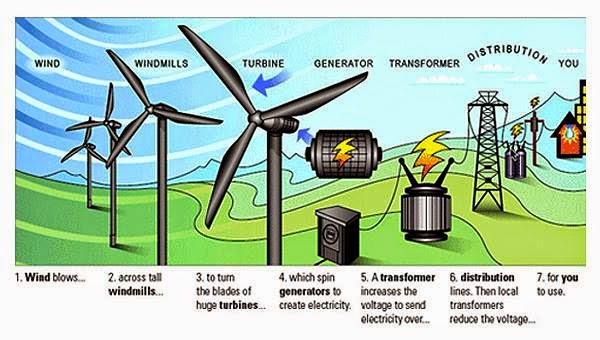
First, let's acknowledge our leading lady (or gentleman): the wind! Wind, as you probably know, is simply moving air. This movement contains kinetic energy, which is just a fancy way of saying energy of motion. Think of it like this: a gust of wind can push a sailboat across a lake, right? Same principle, just on a much grander scale with those impressive wind turbines.
Must Read
Turbines: Capturing the Breeze
Okay, so how do these turbines catch the wind's energy? It’s all about those giant blades! Think of them as super-efficient, high-tech versions of the sails on a windmill. When the wind blows, it pushes against the blades, causing them to rotate. And that rotation is where the fun really begins. (Are you excited? I am!)
There are different types of turbines, by the way. The most common are the horizontal-axis turbines – the ones that look like airplane propellers. But there are also vertical-axis turbines, which look a bit like eggbeaters. Don't worry about the nitty-gritty details right now – just know that they all share the same basic goal: capture the wind's energy!

From Spin to Spark: Inside the Nacelle
Now, the really cool stuff happens inside the nacelle. That's the big box sitting atop the tower, behind the blades. Inside this box is where the magic truly transforms wind power into usable electricity.
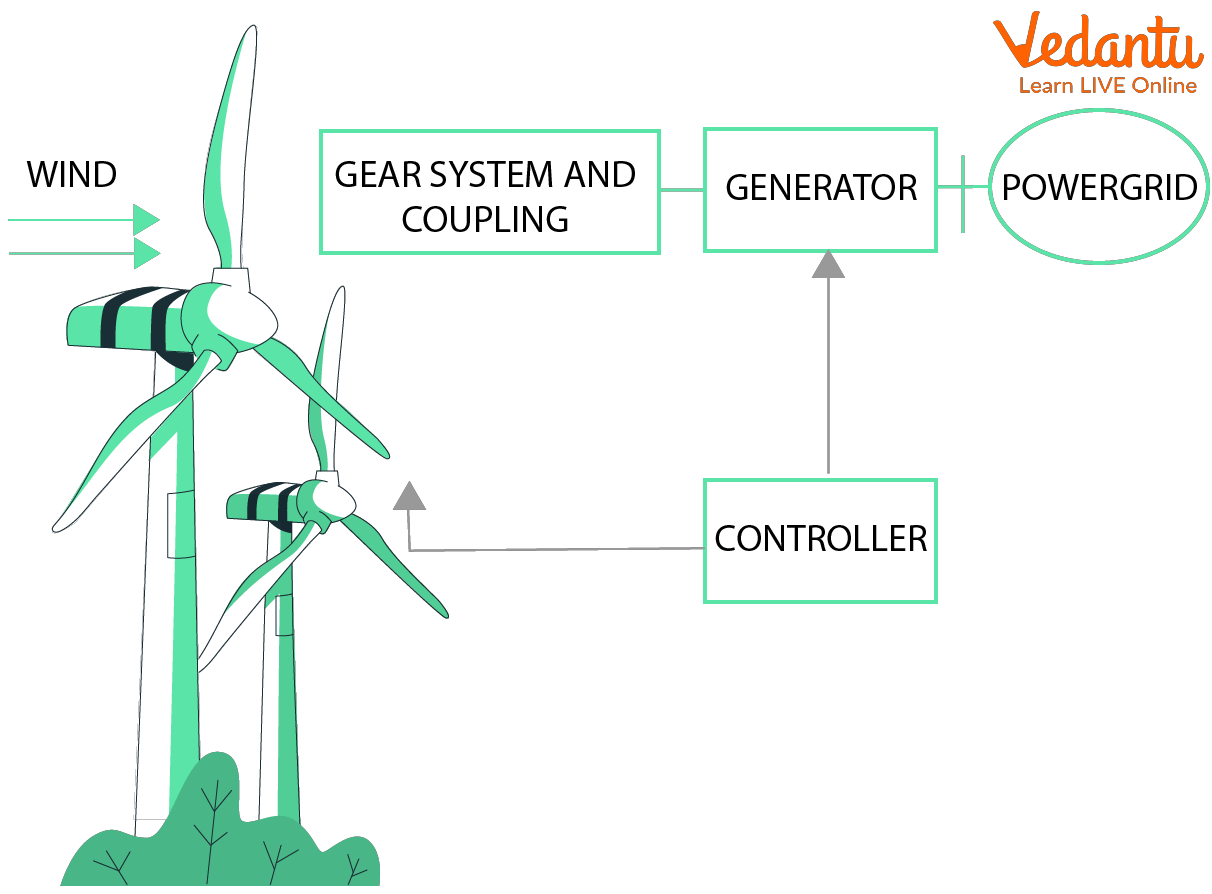
Here's the simplified version: The rotating blades are connected to a gearbox. This gearbox is like the turbocharger for the system, increasing the rotational speed – the spins per minute – significantly. Why is this important? Because a faster spin means more electricity!
This amped-up rotation then spins a generator. A generator is basically a device that converts mechanical energy (the spinning) into electrical energy. It uses the principles of electromagnetism – remember those magnets you played with as a kid? – to create a flow of electrons, which is, at its core, what electricity is.
Think of it this way: Wind turns blades, blades spin gears, gears spin generator, generator makes electricity. Ta-da! It’s practically magic, but it's actually brilliant science.
Power to the People: Transmission and Distribution
Alright, the generator's humming, and electricity is flowing! But how does it get from the lonely mountaintop wind farm to your cozy living room? That's where transmission lines come in.
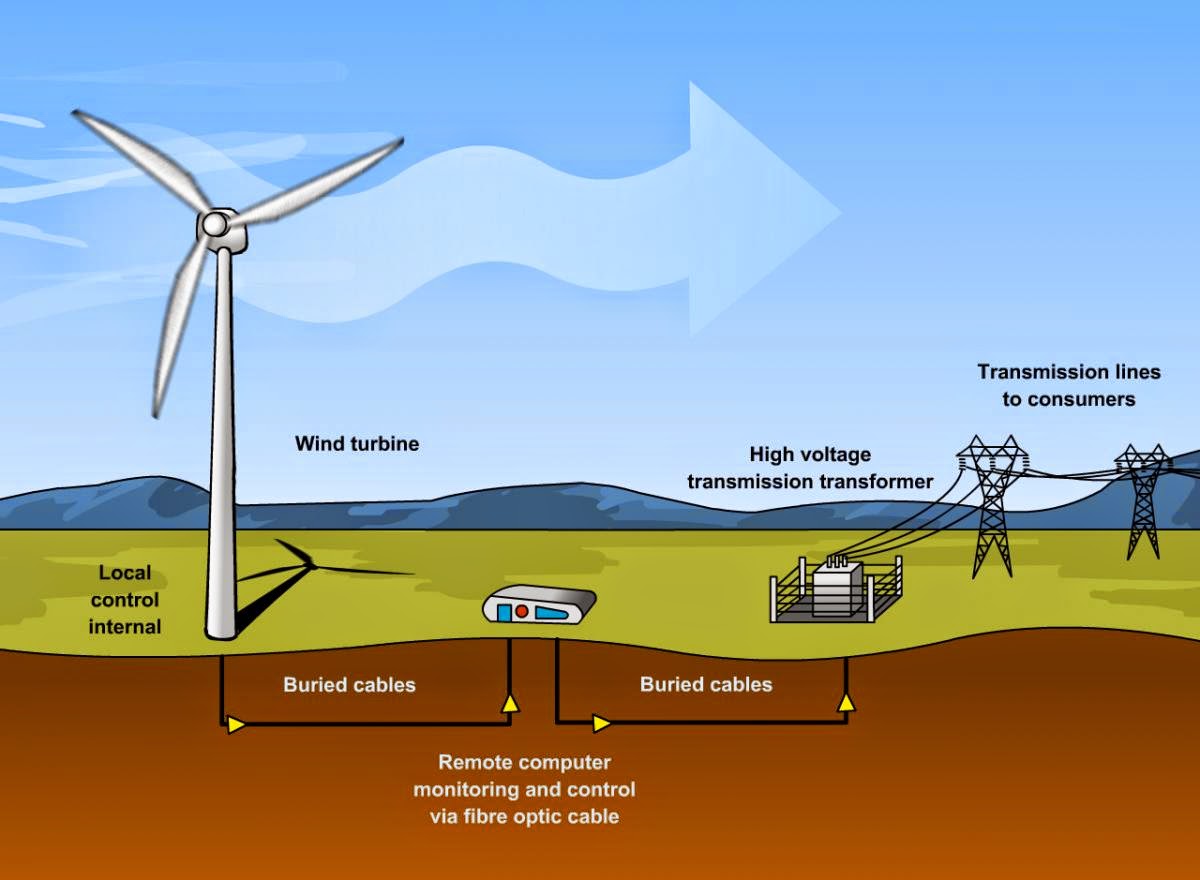
The electricity generated by the turbines is sent through cables down the tower and connected to a substation. At the substation, the voltage (think of it as the electrical pressure) is increased to allow the electricity to travel efficiently over long distances through high-voltage transmission lines. These lines stretch across the landscape, carrying the precious electrical cargo to cities and towns.
Finally, the electricity reaches local distribution networks, where the voltage is reduced again to a safe level for homes and businesses. And voila! You can now charge your phone, brew that morning coffee, or binge-watch your favorite shows, all thanks to the power of the wind!
Isn't that incredible?
Why Wind Power Rocks (Besides Being Cool)
Now, I know what you're thinking: "Okay, it's cool. But why should I care?" Well, for starters, wind power is a renewable energy source. That means we're not using up finite resources like fossil fuels when we harness the wind's energy. The wind will (hopefully!) keep blowing for, well, ever! This helps reduce our reliance on those fuels and helps fight climate change. Plus, wind farms can create jobs and boost local economies. It’s a win-win situation!

Beyond that, as the technology improves, wind power is becoming more and more efficient and cost-effective. Think about it: cleaner air, a healthier planet, and potentially lower energy bills down the line. What's not to love?
So, the next time you see a wind turbine gracefully spinning, remember the journey: from the gentle breeze to the power humming in your walls. It’s a testament to human ingenuity and a sign of a brighter, cleaner future.
Feeling inspired? Awesome! There's a whole world of information about wind energy (and other renewable sources) just waiting to be explored. Do a little research, spread the word, and let's all work together to make our world a little bit greener, one wind turbine at a time. After all, knowledge is power – and wind power is, well, power!