How Is Wind Energy Used To Generate Electricity
Ever wonder how those giant windmills you see dotting the landscape actually make electricity? It's a pretty cool process, and understanding it can help you appreciate the power of nature – literally! Wind energy is becoming increasingly important as we look for cleaner, more sustainable ways to power our lives. So, let's dive in and see how wind becomes wattage!
The basic idea is simple: we harness the power of the wind to spin a turbine, which in turn generates electricity. Think of it like a high-tech, super-sized pinwheel. But instead of just looking pretty, this pinwheel is connected to a generator, the real workhorse of the system.
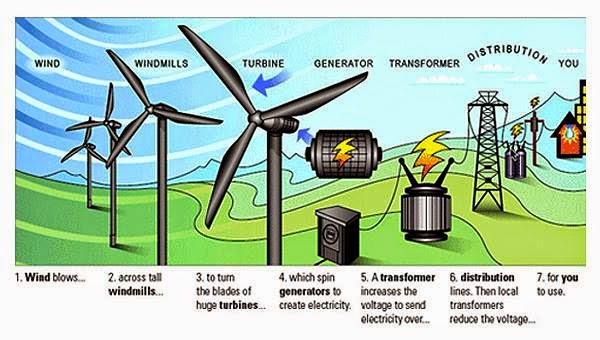
Here's a step-by-step breakdown of the process:
Must Read
- Wind blows: It all starts with the wind, of course! The stronger the wind, the more energy is available.
- Turbine blades turn: The wind pushes against the large blades of the wind turbine, causing them to rotate. These blades are carefully designed to be as efficient as possible at capturing the wind's energy.
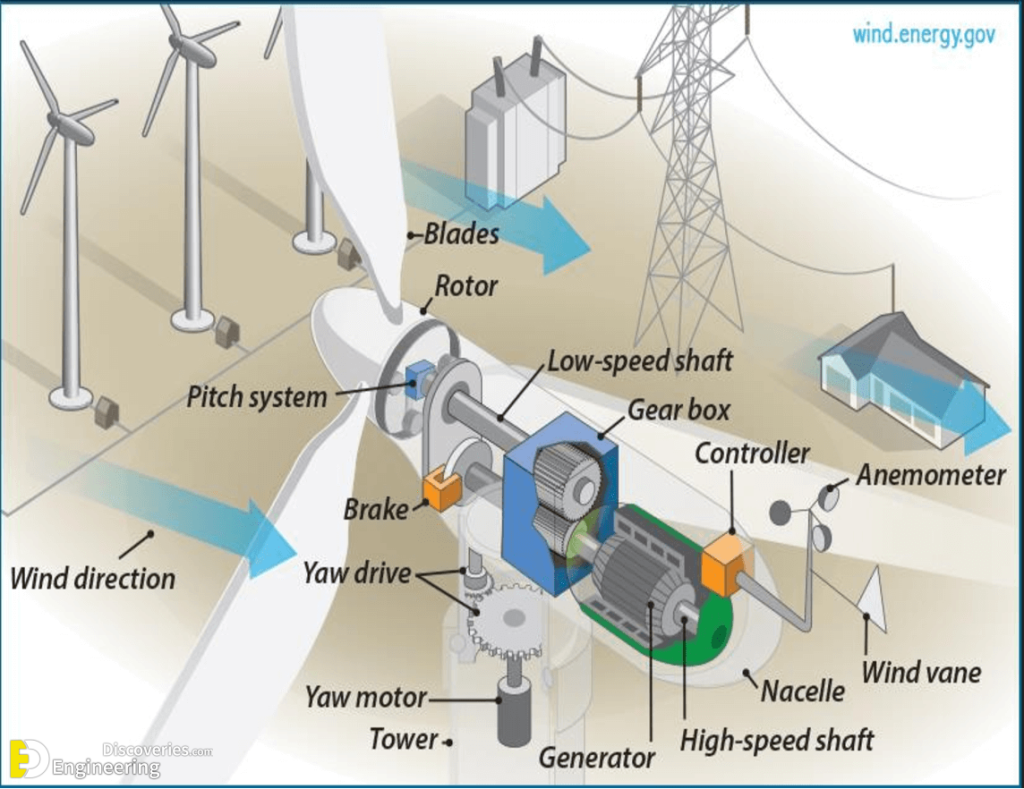
- Rotor spins the generator: The rotating blades are connected to a central shaft called a rotor. This rotor is linked to a generator inside the turbine's nacelle (that's the housing on top of the tower). As the rotor spins, it turns the generator.
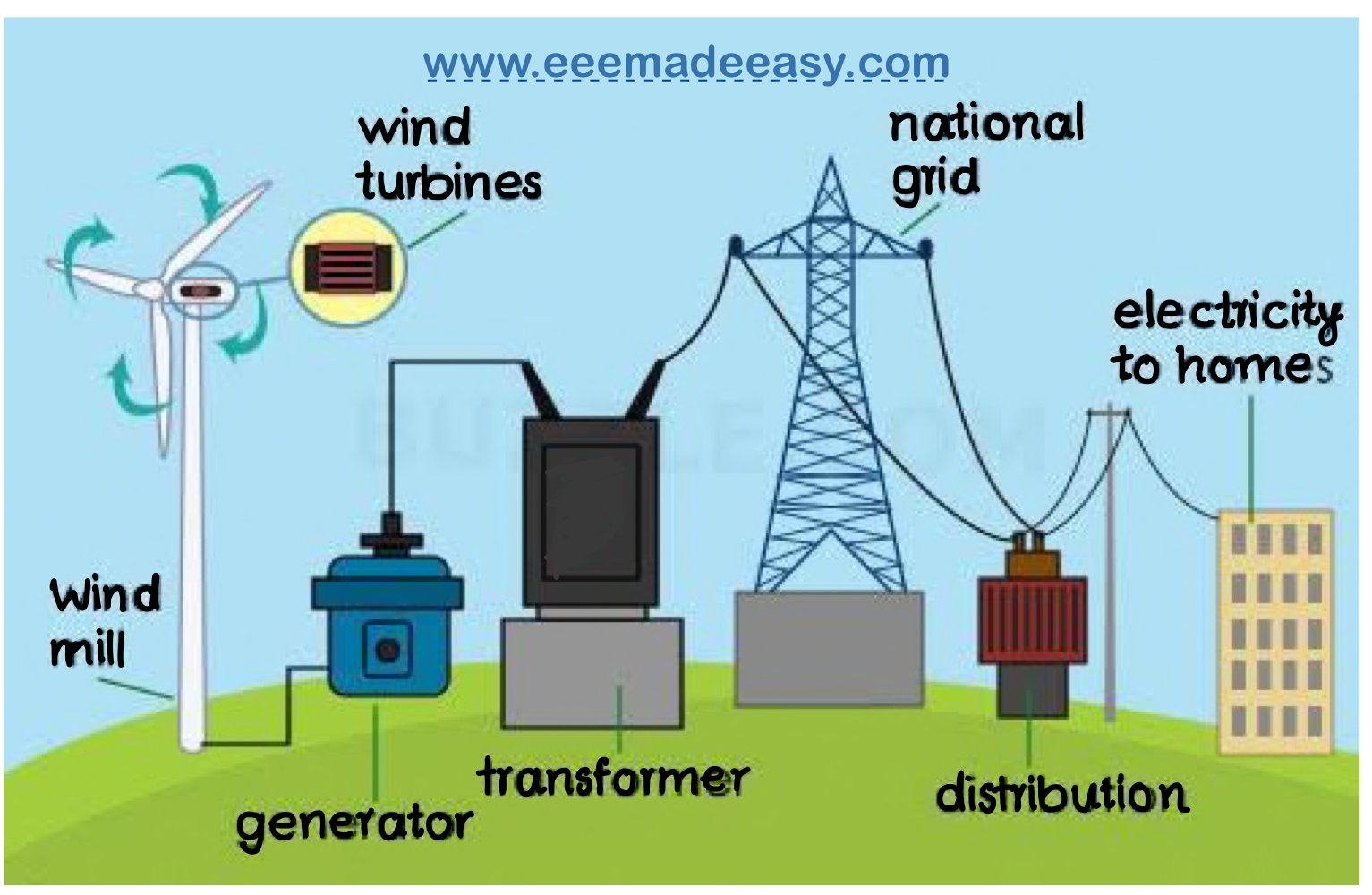
- Generator creates electricity: Inside the generator, a magnetic field interacts with coils of wire. This interaction creates an electrical current, generating electricity. It's essentially the same principle used in power plants that burn fossil fuels, but instead of burning fuel to turn a turbine, we're using the free and clean power of the wind.
- Electricity flows to the grid: The electricity generated by the wind turbine is then fed into the electrical grid, where it can be distributed to homes, businesses, and everything else that needs power.
So, what are the benefits of using wind energy? There are many!
- Renewable resource: Wind is a renewable resource, meaning it won't run out like fossil fuels. As long as the sun shines and creates temperature differences on Earth, we'll have wind!
- Clean energy: Wind energy is a clean energy source, producing little to no air pollution or greenhouse gas emissions during operation. This helps to combat climate change and improve air quality.
- Domestic energy source: Wind energy can be produced domestically in many countries, reducing reliance on foreign energy sources.
- Job creation: The wind energy industry creates jobs in manufacturing, installation, maintenance, and other related fields.
Of course, wind energy isn't without its challenges. Wind is intermittent, meaning it doesn't blow all the time. This requires energy storage solutions or a mix of energy sources to ensure a reliable electricity supply. There are also concerns about the visual impact of wind turbines and their potential effects on wildlife. However, ongoing research and technological advancements are constantly improving the efficiency and sustainability of wind energy.
Ultimately, understanding how wind energy works helps us appreciate its potential as a sustainable and clean energy source. The next time you see a wind turbine, you'll know exactly how it's helping to power our world!